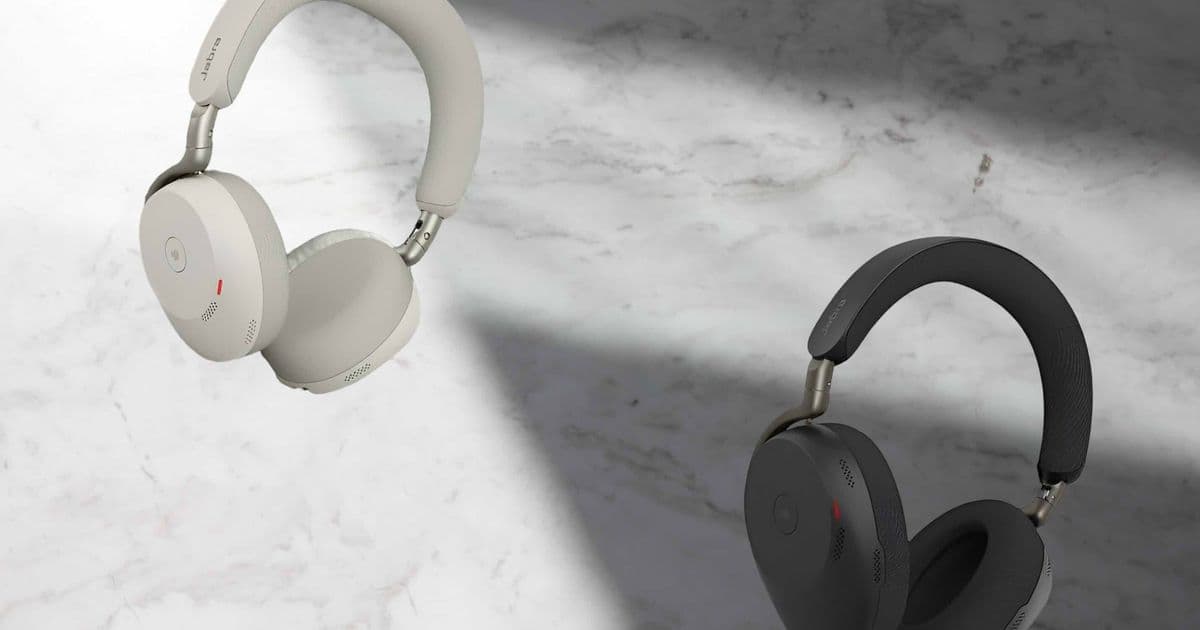
Jabra's new Evolve3 75 and Evolve3 85 productivity headphones sacrifice their signature flexible microphone arm for massive battery life claims and a more conventional design, positioning them as premium wireless headsets for professionals.
Jabra has officially launched the Evolve3 75 and Evolve3 85, the latest iterations in its productivity-focused headphone lineup. The most significant change from previous generations is the complete removal of the dedicated boom microphone arm, a design feature that has been a hallmark of the Evolve series since its inception. This move fundamentally changes the headphones' identity, making them visually indistinguishable from other premium wireless headsets like the Sony WH-1000XM5 or Bose QuietComfort Ultra.
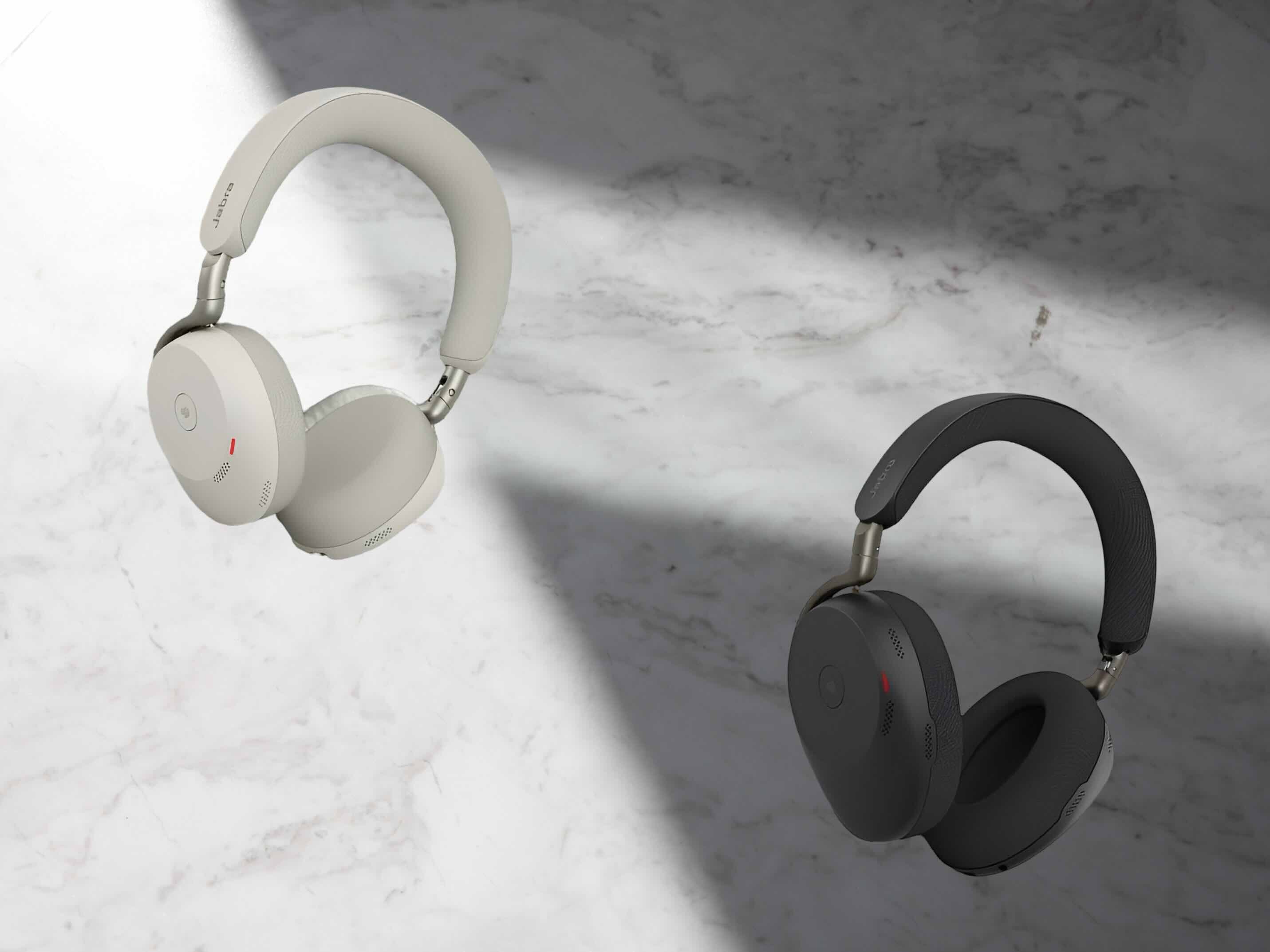
The elimination of the boom mic represents a strategic shift for Jabra. While the flexible arm provided superior voice isolation and positioned the microphone closer to the mouth for clearer calls, its removal allows for a sleeker, more portable design. The Evolve3 series now relies on a multi-microphone array combined with software-based noise suppression algorithms to handle voice pickup. Jabra claims this new system, powered by on-board intelligence, can effectively remove background noise during calls, though independent testing will be needed to verify its performance against traditional boom mic setups.

Battery Life: The New Headline Feature
With the design overhaul, Jabra has pivoted its marketing focus to battery endurance, and the numbers are substantial. The over-ear Evolve3 85 claims up to 120 hours of music playback on a single charge, with 25 hours of call time when ANC is disabled. The on-ear Evolve3 75 offers slightly less at 110 hours for music and 22 hours for calls.
These figures place the Evolve3 series at the top of the market for battery life in premium wireless headphones. For context, the Sony WH-1000XM5 offers approximately 30 hours with ANC on, while the Bose QuietComfort Ultra manages about 24 hours. Jabra's claims suggest professionals could go weeks between charges with moderate use, a significant advantage for those who frequently travel or work in environments where charging opportunities are limited.
Fast charging support provides 10 hours of use from a 10-minute charge, which is practical for quick top-ups before meetings or flights. The Evolve3 85 also features replaceable batteries, a rare feature in modern wireless headphones that extends the product's lifespan beyond typical battery degradation.

Technical Specifications and Features
Both models include adaptive noise cancellation, a standard feature in premium headphones. The Evolve3 series also supports Spatial Sound for immersive audio experiences, high-fidelity codecs including LC3, SBC, and AAC, and wireless charging capability.
The Evolve3 75 is the on-ear variant, while the Evolve3 85 uses over-ear cups. This design choice affects both comfort and passive noise isolation. On-ear designs like the 75 typically provide less passive noise blocking but are more compact, while over-ear models like the 85 offer better seal and comfort for extended wear.
Pricing and Market Position
The Jabra Evolve3 85 carries an MSRP of $649, with the Evolve3 75 priced at $463. These prices position the headphones firmly in the premium segment, competing directly with flagship offerings from Sony, Bose, and Apple.
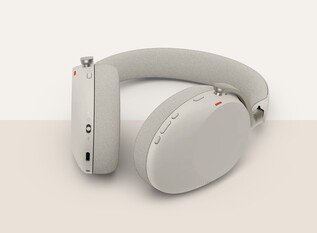
The black colorway for both models will be available starting March 1, with the warm gray option following in April. This staggered release suggests Jabra is managing initial production capacity or testing market response to the new design language.
Who Should Consider the Evolve3?
The Evolve3 series targets professionals who prioritize battery life and conventional headphone aesthetics over specialized call features. The removal of the boom mic makes these headphones more suitable for users who want one device for both work calls and personal music listening without the stigma of a gaming-style microphone arm in professional settings.
However, professionals who frequently make calls in noisy environments—such as open offices, airports, or coffee shops—may find the lack of a boom mic a significant drawback. Traditional boom mics provide superior voice isolation by positioning the microphone closer to the mouth, reducing the impact of ambient noise. While Jabra's software-based noise suppression may perform well in controlled tests, real-world conditions often reveal limitations.
For users who primarily need headphones for music, podcasts, and occasional calls in quiet environments, the Evolve3's battery life and premium build quality could justify the price. The replaceable battery feature is particularly valuable for long-term ownership, as it addresses the most common failure point in wireless headphones.
Comparison with Alternatives
At $649, the Evolve3 85 faces stiff competition. The Sony WH-1000XM5, currently available for around $298 on Amazon, offers industry-leading ANC and a more compact design, though with significantly less battery life. The Bose QuietComfort Ultra ($429) provides excellent comfort and ANC but similar battery limitations.
For professionals who need a boom mic, Jabra's own Evolve2 series remains available, though with lower battery life claims. The Evolve2 85, for example, offers 37 hours of battery life with ANC on and retains the flexible boom arm.
The Bottom Line
The Jabra Evolve3 series represents a calculated trade-off: sacrificing the specialized call features of its predecessors for broader appeal and exceptional battery endurance. For professionals who value all-day battery life and prefer a headphone that looks like a premium consumer device rather than a specialized office tool, the Evolve3 could be compelling.
However, the success of this strategy depends on Jabra's noise suppression algorithms. If the multi-microphone system can match the call quality of traditional boom mics, the Evolve3 could redefine productivity headphones. If not, Jabra may have alienated its core professional audience without gaining enough mainstream appeal to compensate.
Independent reviews will be crucial in evaluating these claims. The promised 120-hour battery life, while impressive on paper, needs real-world validation. Similarly, the effectiveness of the software-based voice pickup in various environments will determine whether the Evolve3 succeeds as a true productivity tool or simply becomes another premium headphone with good battery life.
For now, the Evolve3 series stands as an ambitious attempt to bridge the gap between specialized office equipment and mainstream premium headphones. Only time will tell if Jabra's bet on battery life and conventional design will pay off in the competitive premium headphone market.
Comments
Please log in or register to join the discussion