Japan is set to receive its first liquefied natural gas shipment via the Strait of Hormuz since the strait's de facto closure due to the Iran conflict, providing psychological relief but not significantly easing the country's energy supply challenges.
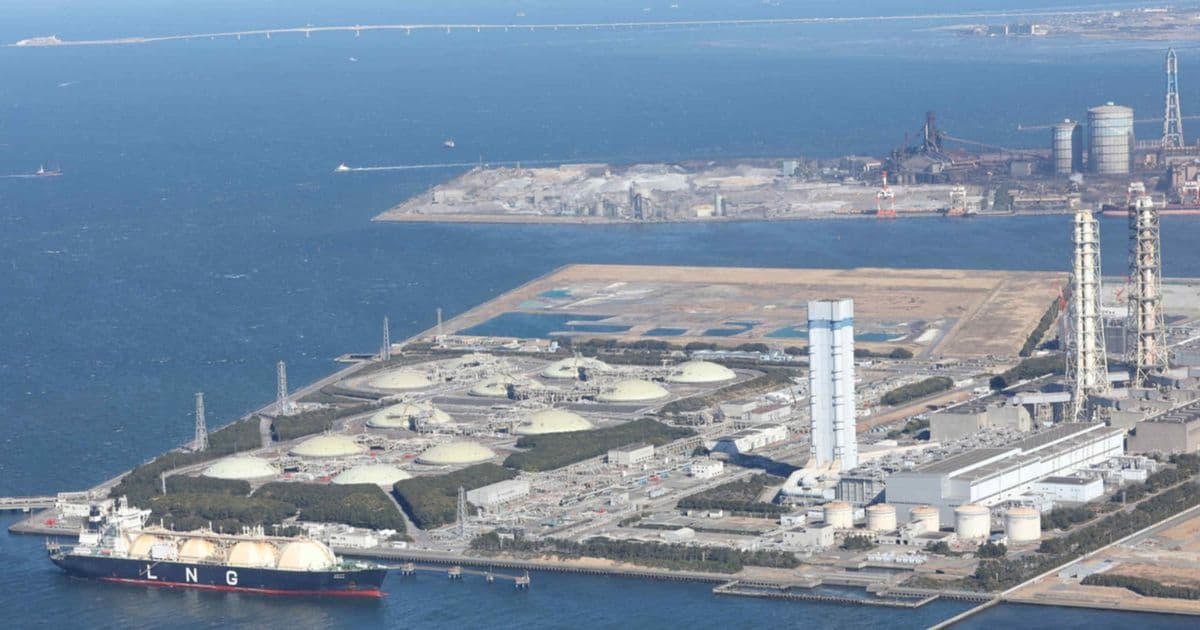
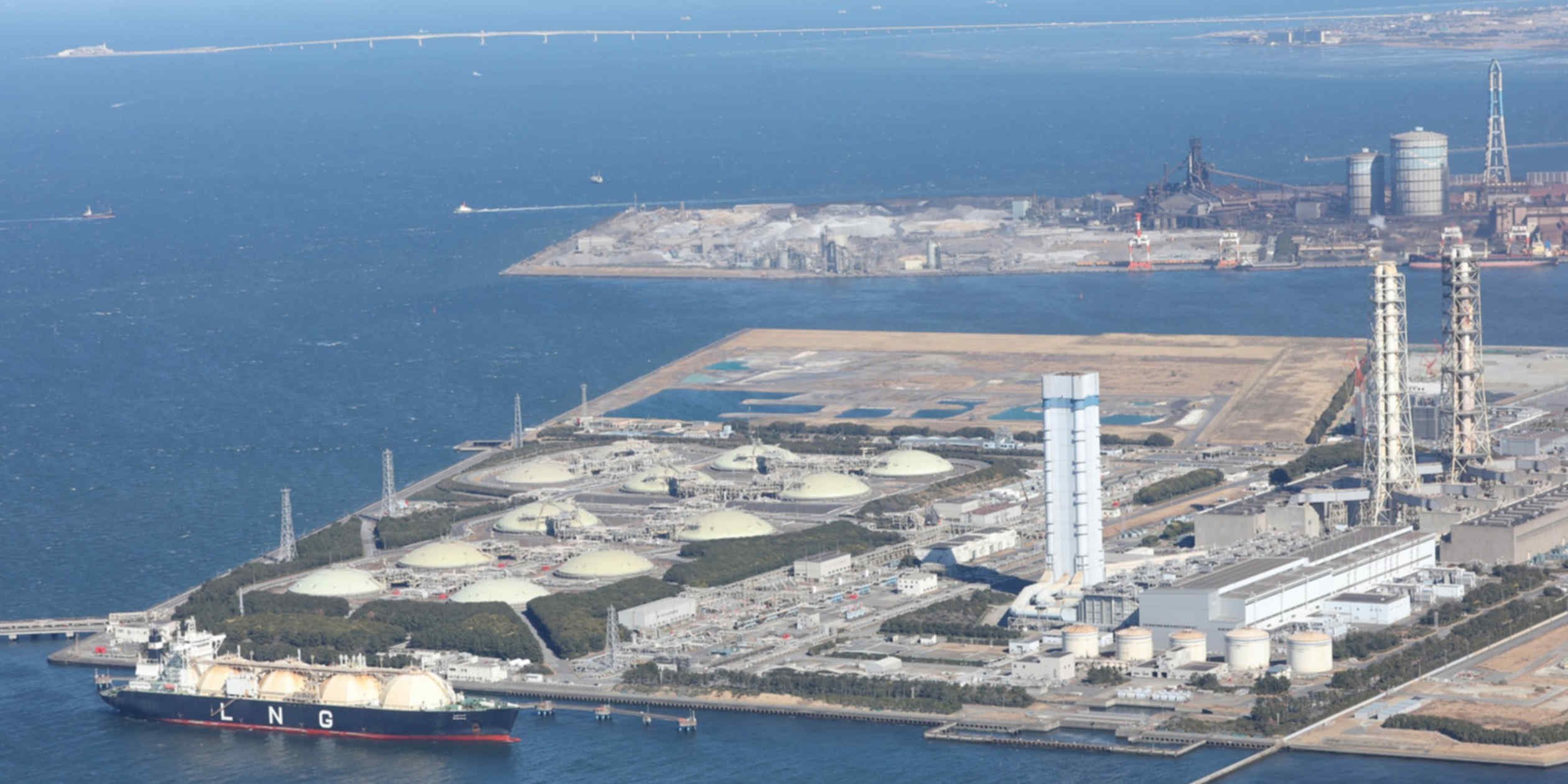
Japan is preparing to receive a milestone shipment of liquefied natural gas via the Strait of Hormuz, with a tanker expected to arrive at the port of Futtsu in Chiba prefecture as early as Monday. This marks the first such delivery to Japan since the strategic waterway was effectively closed following escalating tensions in the Iran conflict, which has disrupted global energy supplies for months.
The shipment, operated by Japan's largest power producer JERA, arrives amid ongoing energy security concerns for the resource-poor nation. While the delivery represents a significant symbolic victory for Japan's efforts to diversify its supply routes, analysts note that the volume is too small to substantially impact the country's overall energy market situation.
The Strait of Hormuz, a critical chokepoint through which approximately 20-30% of global oil and significant volumes of LNG pass, has been largely inaccessible since the conflict intensified in late 2025. This closure forced Japan and other energy-importing nations to scramble for alternative supply routes, often at higher costs and with greater logistical complexity.
"This shipment provides important psychological relief," said Kenjiro Tsuda, an energy analyst at Mitsubishi UFJ Research and Consulting. "However, the volume represents only a fraction of Japan's daily LNG needs. The real challenge remains securing consistent, diversified supply channels that can withstand geopolitical disruptions."
Japan, which imports nearly 90% of its energy needs, has been particularly vulnerable to the disruptions. The country's reliance on LNG for approximately 40% of its electricity generation has made securing stable supplies a national security priority. The Hormuz shipment comes as Japan continues to grapple with inflationary pressures from energy costs, with the central bank noting that Iran-war-related inflation is hitting Japan faster than previous oil shocks.
JERA operates one of Japan's largest LNG import facilities at Futtsu, with capacity to handle approximately 15 million tons annually. The company has been at the forefront of Japan's efforts to secure alternative supply routes, including increased shipments from the United States, Australia, and Southeast Asia.
"The reopening of even limited access through Hormuz represents a significant development in our supply strategy," said a JERA spokesperson. "While we continue to diversify our sources, having the option to utilize this critical route remains essential for Japan's energy security."
The shipment arrives amid broader geopolitical realignments in Asia, with Japan and South Korea recently discussing enhanced energy cooperation. South Korea's trade minister has specifically highlighted the need for regional coordination on energy security matters, particularly in light of the ongoing Middle East tensions.
Japan has also been exploring alternative energy sources, including increased imports of liquefied petroleum gas (LPG) and potential partnerships with Mexico on stable energy supplies. The country's energy strategy has been complicated by the Iran conflict, which has slowed climate efforts as Japan's energy companies pivot back to natural gas from cleaner alternatives.
From a market perspective, the Hormuz shipment is unlikely to significantly impact global LNG prices, which have remained elevated due to supply constraints and strong demand from Asia. Japan's LNG imports in 2026 are expected to decline slightly from record levels in 2025, but prices are projected to remain above pre-conflict averages for the foreseeable future.
The development does, however, signal a potential softening in the geopolitical tensions that have disrupted Hormuz traffic. If the strait's partial reopening becomes more consistent, it could provide relief to global energy markets, particularly for Asian nations heavily dependent on Middle Eastern energy supplies.
For Japan, the shipment represents a small but meaningful step toward normalizing energy imports through one of the world's most critical maritime chokepoints. The country's energy security strategy will likely continue to emphasize diversification, with this Hormuz shipment serving as a reminder of the vulnerabilities inherent in concentrated supply routes.
The port of Futtsu, where the LNG shipment is expected to arrive, is strategically located near Tokyo and represents a critical node in Japan's energy infrastructure. JERA's facilities there are capable of regasifying LNG and distributing it throughout the Kanto region, which includes the Tokyo metropolitan area and accounts for approximately one-third of Japan's population.
As Japan continues to navigate the complex energy landscape shaped by the Iran conflict, this shipment through Hormuz may mark the beginning of a gradual return to more normalized supply conditions. However, analysts caution that full recovery will depend on the resolution of geopolitical tensions and the establishment of more stable security arrangements in the region.
Comments
Please log in or register to join the discussion