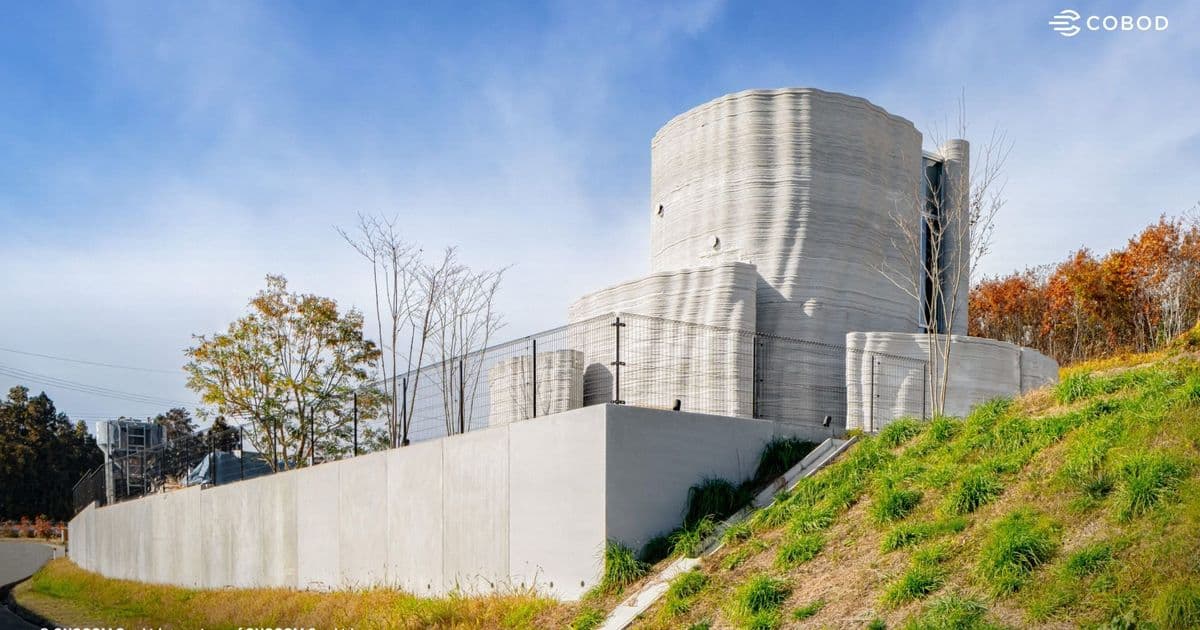
COBOD's 3D construction printer creates Japan's first two-story 3D printed home approved for seismic compliance, demonstrating the technology's ability to handle complex regulations and variable weather conditions.
Japan has approved construction of its first two-story 3D printed home that meets stringent seismic compliance standards, marking a significant milestone for construction technology in one of the world's most earthquake-prone nations.
Seismic Compliance Breakthrough
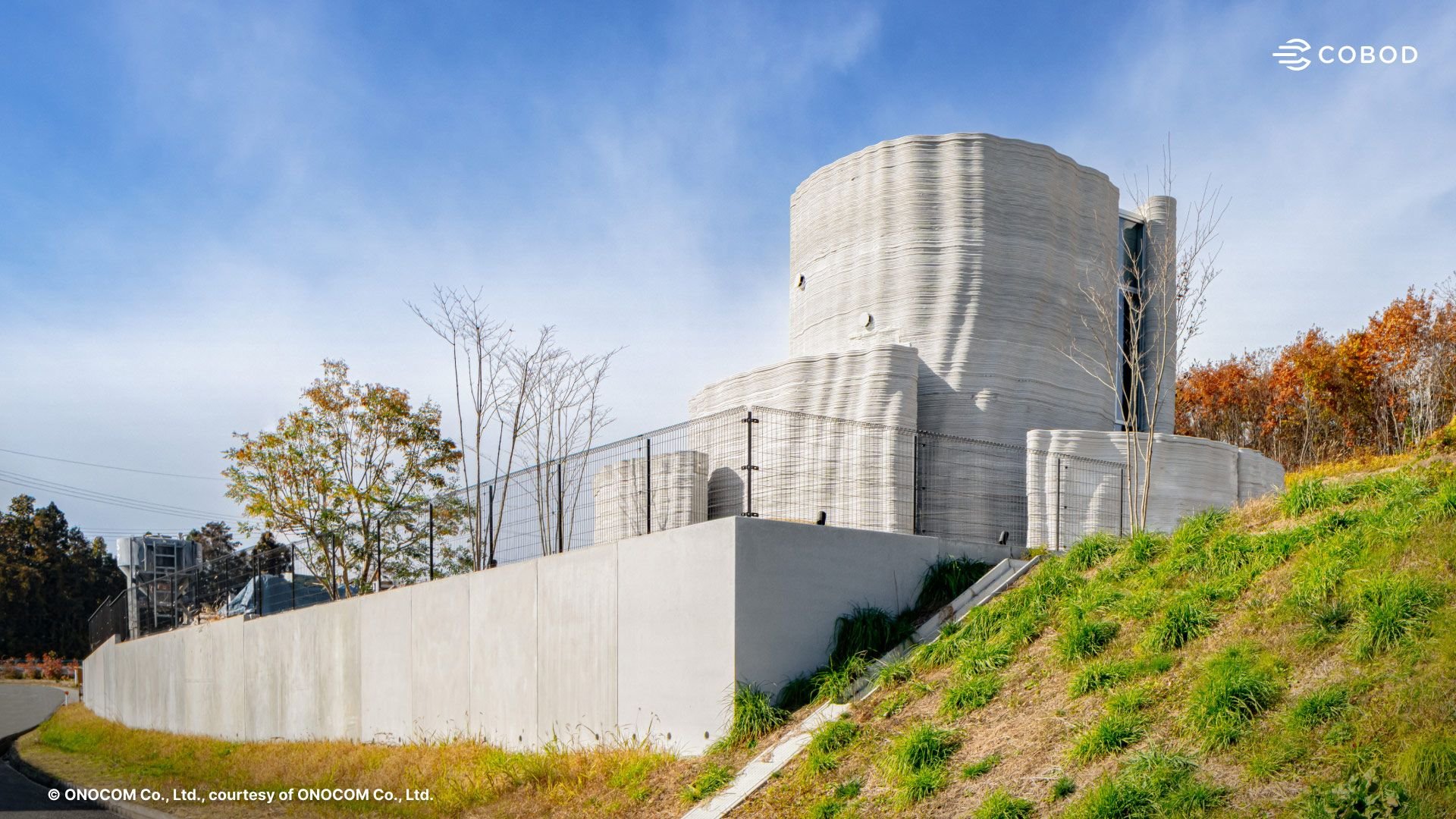
The 3D printed dwelling, located in Kurihara City, Miyagi Prefecture, represents the first government-approved two-story structure of its kind in Japan. The project was executed by Kizuki Co., Ltd using COBOD's 3D construction printing system, with architectural design collaboration from Onocom.
"Japan has some of the most demanding seismic requirements in the world," said Henrik Lund-Nielsen, Founder and General Manager of COBOD International. "Seeing a government-approved two-story 3D printed reinforced concrete house completed here confirms that 3D construction printing is ready for projects that rely on structural precision and consistent quality, also in seismic areas."
Technical Innovation
The home features "multifunctional wall" segments molded in a single step to create a three-layer structure that integrates design, structural frame, and facility space. This approach drastically reduces on-site post-processing requirements while maintaining structural integrity.
Key technical advantages demonstrated by the project include:
- Elimination of traditional construction formwork
- Reduced transportation costs and CO2 emissions from parts shipping
- Enhanced design freedom for complex geometries
- Stable quality control through automated processes
- Ability to print continuous foundations for improved strength
- Accelerated construction timelines
Weather Resilience Testing
The project also validated 3D construction printing's tolerance to variable weather and temperature conditions. Initial formwork was printed at temperatures below 10°C (50°F), requiring heated mixing water to maintain printability. The main structure was completed during summer temperatures of 30-35°C (86-95°F).
"High environmental temperatures shortened bucket life and required careful process control," COBOD noted, "but these hurdles didn't interrupt or impair the 3D printer-driven building process."
Industry Implications
This achievement demonstrates that 3D construction printing technology has matured beyond small-scale or single-story applications. The successful fabrication of a fully seismic-compliant two-story dwelling opens new possibilities for residential construction in earthquake-prone regions worldwide.
COBOD positions itself as "the world leader in 3D construction printing solutions," and this Japanese project serves as a high-profile validation of their technology's capabilities. The collaboration between COBOD, Kizuki Co., Ltd, and Onocom showcases how construction printing can handle complex geometry, varying climate conditions, and strict regulatory standards simultaneously.
Future Applications
The successful completion of this project suggests broader applications for 3D construction printing in regions with strict building codes. The technology's ability to produce structurally sound, seismically compliant buildings while offering design flexibility and construction efficiency could accelerate adoption in markets previously hesitant about automated construction methods.
As construction costs continue rising and housing shortages persist globally, 3D printing technology offers a potential solution that combines speed, precision, and adaptability to local building requirements. Japan's approval of this two-story 3D printed home may encourage other nations with strict seismic regulations to explore similar applications.
The cave-inspired design aesthetic, while visually striking, also demonstrates the technology's capacity for complex architectural forms that would be difficult or expensive to achieve with traditional construction methods. This combination of structural compliance and design freedom represents a compelling value proposition for future construction projects.
Comments
Please log in or register to join the discussion