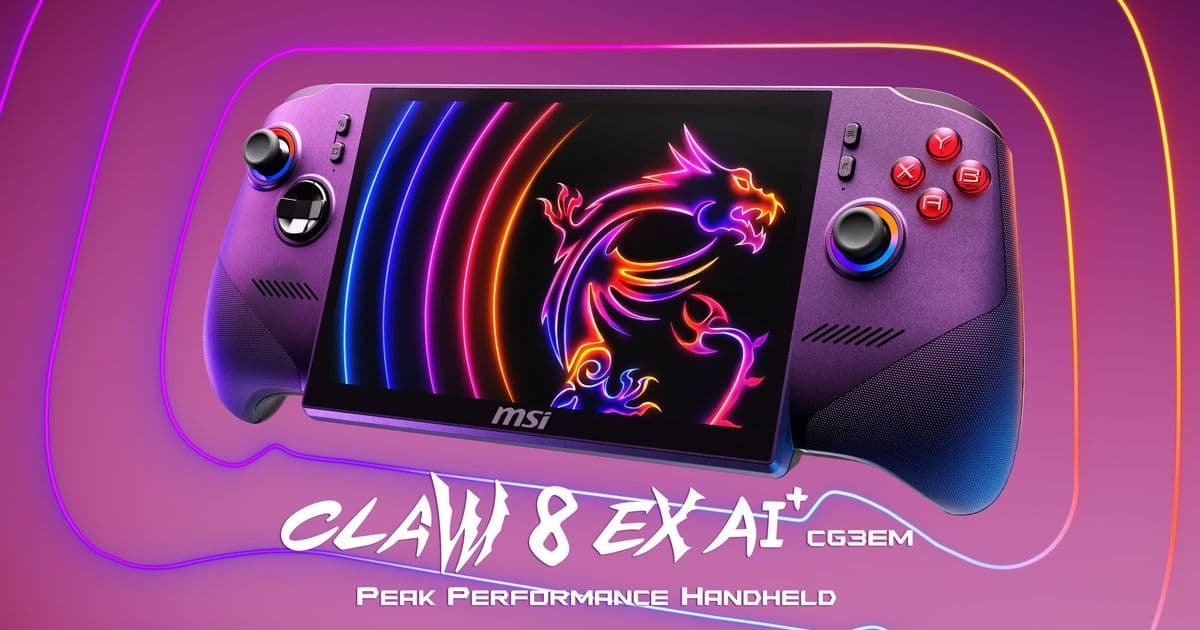
MSI has unveiled the Claw 8 AI+ CG3EM, their latest handheld gaming device featuring Intel's new Arc G3 Extreme Panther Lake chip, positioning it as a direct competitor to AMD's Ryzen Z lineup with impressive specs and performance capabilities.
What's New
MSI has officially entered the competitive handheld gaming market with their new Claw 8 AI+ CG3EM, powered by Intel's latest Arc G3 Extreme chip. This release marks Intel's serious attempt to challenge AMD's Ryzen Z dominance in the handheld gaming space. 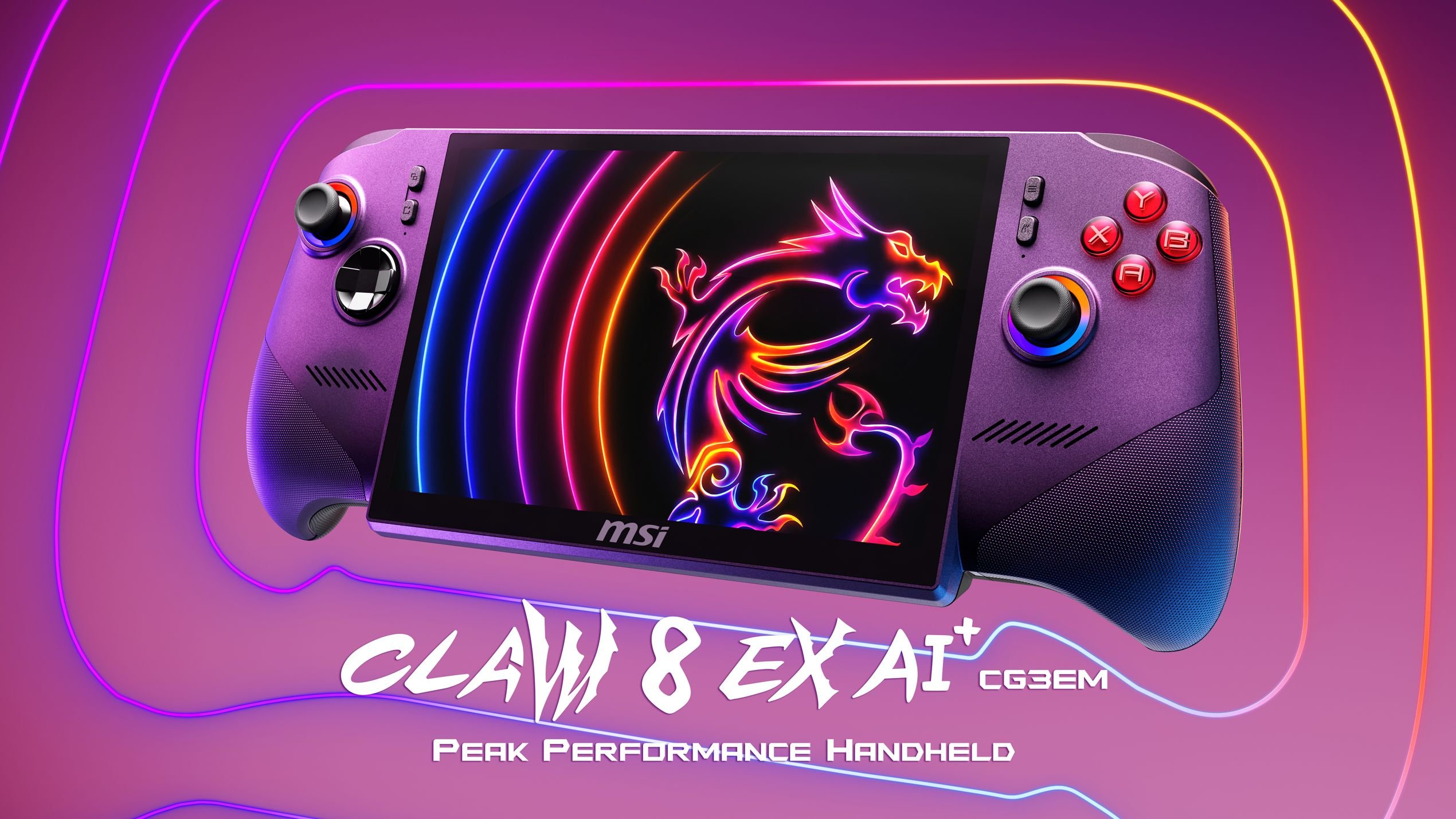 The device features Intel's newest top-shelf handheld silicon with a 14-core CPU configuration (2P + 8E + 4 LPE) and a 12-core Arc B390 integrated GPU. This represents a significant upgrade over previous Intel offerings like Meteor Lake and Panther Lake, which struggled to compete effectively in handheld devices.
The new Xe3 architecture brings several improvements, including support for multi-frame generation technology—a feature that wasn't possible in older Intel variants. This enhancement should provide better performance in gaming scenarios, potentially rivaling AMD's offerings. The handheld sports an 8-inch display with a resolution of 1,920 x 1,200 and a variable refresh rate ranging from 30 to 120 Hz, ensuring smooth visuals across different game types and power states.
Powering the device is an 80 Wh battery, which should provide reasonable battery life for less demanding titles, though more graphically intensive games will likely require the full processing power of the Arc G3 Extreme chip. MSI has equipped the Claw 8 with 32 GB of RAM, ensuring ample memory for multitasking and demanding games. Storage options include space for one M.2 2280 PCIe Gen4 NVMe SSD, with potential capacities up to 4 TB.
Connectivity options include Wi-Fi 7 and Bluetooth 6.0 for wireless connections, along with two Thunderbolt 4.0 ports for wired connections, charging, and data transfer. Additional features include a micro SD card slot and a 3.5 mm combo audio jack. The device weighs in at 785 grams, which is relatively lightweight for a gaming handheld of this power level. 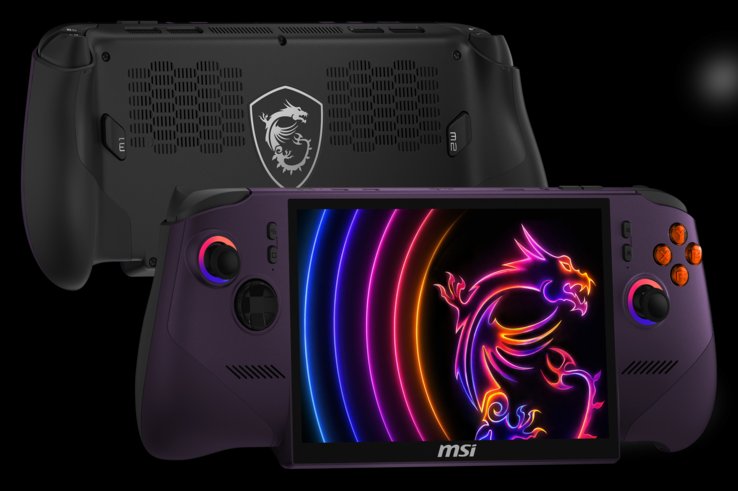
How It Compares
The MSI Claw 8 AI+ CG3EM directly competes with existing handheld gaming devices, particularly those using AMD's Ryzen Z chips. Intel's previous attempts in the handheld space with Meteor Lake and Panther Lake chips fell short in terms of performance, making the Arc G3 Extreme a crucial product for the company's credibility in this market.
Compared to its predecessor, the MSI Claw 8 offers a significant leap in graphical capabilities with the Arc B390 iGPU and the new Xe3 architecture. The multi-frame generation support is particularly noteworthy, as this feature was absent in previous Intel handheld chips. This could potentially narrow the performance gap between Intel and AMD solutions in gaming scenarios.
In terms of raw specifications, the 14-core CPU configuration (2P + 8E + 4 LPE) places the Arc G3 Extreme in competitive territory with AMD's offerings. The 12-core GPU also suggests strong graphical performance, though real-world gaming benchmarks will be necessary to determine how it actually performs against competitors. Early benchmarks of the Arc G3 Extreme show promising results, though they still lag behind AMD's top-tier Ryzen Z chips in some gaming scenarios.
The 8-inch display with 30-120 Hz variable refresh rate is comparable to other premium handheld gaming devices, offering a good balance between screen real estate and portability. The 80 Wh battery is substantial for a handheld of this size, though as with all gaming handhelds, battery life will vary significantly depending on the games being played and their graphical settings.
MSI joins the ranks of early adopters of the Arc G3 platform, following companies like Acer and OneXPlayer. This positions the Claw 8 as one of the first Intel-powered alternatives to AMD-dominated handheld gaming devices. Competing devices like the OneXPlayer AMD version have established a strong reputation in the market, making Intel's entry particularly noteworthy.
Who It's For
The MSI Claw 8 AI+ CG3EM is designed for gamers who want a portable gaming experience without sacrificing too much performance. It's particularly suited for those who have been waiting for a viable Intel alternative to AMD's Ryzen Z handhelds. The device's premium specifications suggest it's aimed at enthusiasts and serious gamers who demand high performance in a portable form factor.
The inclusion of 32 GB of RAM indicates that MSI is targeting users who engage in multitasking alongside gaming—perhaps streaming gameplay while playing, or running other applications in the background. The Thunderbolt 4.0 ports also suggest that the device is intended for users who might want to connect external peripherals or use it as a secondary productivity device when not gaming.
While MSI hasn't officially announced pricing, estimates place the MSRP around $1,500. This positions it as a premium handheld gaming device, justified by its high-end specifications and Intel's latest technology. In today's market where high-performance components command premium prices, this pricing strategy appears reasonable for the target audience. For comparison, competing AMD Ryzen Z handhelds typically range from $1,200 to $1,800 depending on configuration.
The device's 785 gram weight makes it relatively portable for a gaming handheld of this power level, though it's still significantly heavier than some of the more compact options on the market. Gamers prioritizing portability above all else might want to consider lighter alternatives, but those seeking a balance between performance and portability will find the Claw 8 appealing.
In conclusion, the MSI Claw 8 AI+ CG3EM represents Intel's most serious attempt yet to compete in the handheld gaming market. With its Arc G3 Extreme chip, premium specifications, and MSI's reputation for gaming hardware, it has the potential to give AMD's Ryzen Z lineup a run for its money. As one of the first devices to feature Intel's latest handheld-focused silicon, it will be interesting to see how it performs in real-world gaming scenarios and whether it can establish Intel as a credible competitor in this growing market segment.
Comments
Please log in or register to join the discussion