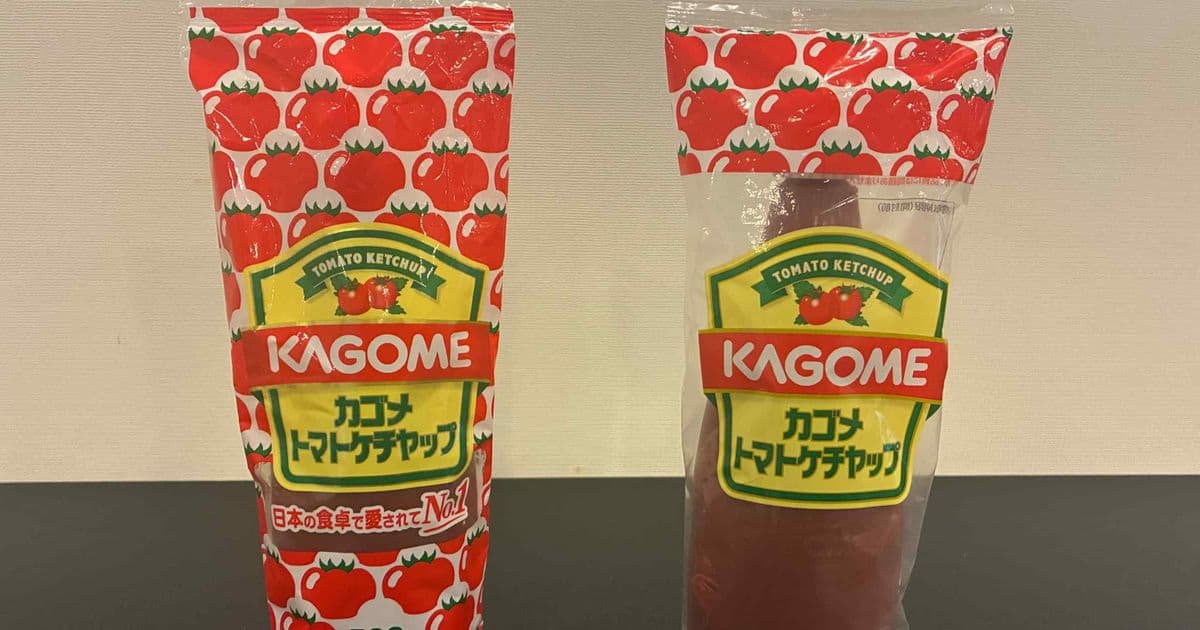
Rising raw‑material, labor and logistics expenses are forcing Japanese food producers to shrink product sizes and adopt black‑and‑white or transparent packaging, a move that could reshape margins, consumer perception and the sector’s long‑term growth.
Business news
Japan’s food and beverage manufacturers are increasingly cutting product volumes and simplifying packaging to shield consumers from soaring input costs. Kagome, the nation’s leading tomato‑based sauce maker, announced it will shift its ketchup to a partially transparent bottle after suppliers warned that white ink—used for opaque labeling—has become unreliable. At the same time, snack giant Calbee has rolled out black‑and‑white chip bags, a visual cue that reflects an industry‑wide ink shortage linked to the ongoing Iran‑Ukraine conflict.
Market context
| Metric | Recent level | YoY change |
|---|---|---|
| Raw‑material price index (food commodities) | 124.6 (base 100 = 2022) | +14.8% |
| Average hourly labor cost (manufacturing) | ¥1,420 | +9.3% |
| Container freight rates (Tokyo–Los Angeles) | $2,850 per 40‑ft unit | +22% |
| Petrochemical feedstock (naphtha) price | $780/ton | +18% |
The data illustrate a confluence of pressures:
- Commodity spikes – Global wheat, soy and tomato prices have surged after weather‑related harvest losses in the Americas and a tighter supply of agricultural inputs caused by sanctions on Russian fertilizer exporters.
- Labor scarcity – Japan’s aging workforce and stricter immigration rules have pushed wages up, especially in the low‑skill segments that dominate food processing and packaging.
- Logistics bottlenecks – A shortage of empty containers, compounded by a naphtha crunch that limits production of polyethylene terephthalate (PET) bottles, has driven freight costs to multi‑year highs.
These cost drivers translate directly into the bottom line. Kagome reported a 6.2% rise in cost of sales for the fiscal year ending March 2025, trimming its operating margin from 9.4% to 7.8%. Calbee’s net profit fell 4.5% year‑over‑year, despite a 2.3% increase in sales volume, as the company absorbed higher packaging and transport expenses.
What it means
1. Shrink‑flation becomes the default pricing tool
By reducing net weight—often by 5‑10%—manufacturers can keep shelf prices stable while preserving margins. Consumer surveys from the Japan Consumer Affairs Agency show that 68% of shoppers would rather accept a smaller package than see a price hike, a sentiment that encourages companies to adopt “size‑down” strategies rather than overt price increases.
2. Monochrome packaging signals supply‑chain stress
The switch to black‑and‑white or transparent labels is not a branding exercise; it reflects a shortage of specialty inks, particularly white pigment derived from titanium dioxide, which has been constrained by export limits from China. Companies that can secure stable ink supplies—often through domestic chemical firms like DIC Corp—gain a competitive edge, but at a premium of roughly ¥15‑¥20 per 1,000 labels.
3. Margin pressure may accelerate consolidation
Mid‑size firms lacking bargaining power with ink and petrochemical suppliers are seeing margins compress faster than the sector’s giants. M&A activity is picking up: in the past six months, three regional snack producers have been acquired by larger players such as Ezaki Glico and Meiji Holdings, a trend analysts expect to continue as scale becomes essential for cost control.
4. Potential regulatory response
The Ministry of Economy, Trade and Industry (METI) has hinted at a review of the “white‑ink” supply chain, proposing incentives for domestic pigment production to reduce reliance on imports. If approved, the policy could stabilize packaging costs within two to three years, but short‑term volatility is likely to persist.
5. Consumer perception risk
While shrink‑flation is tolerated in the short run, prolonged reductions in portion size could erode brand loyalty, especially among younger consumers who value transparency. Brands that pair size‑down moves with clear communication—e.g., “smaller pack, same taste”—may mitigate backlash.
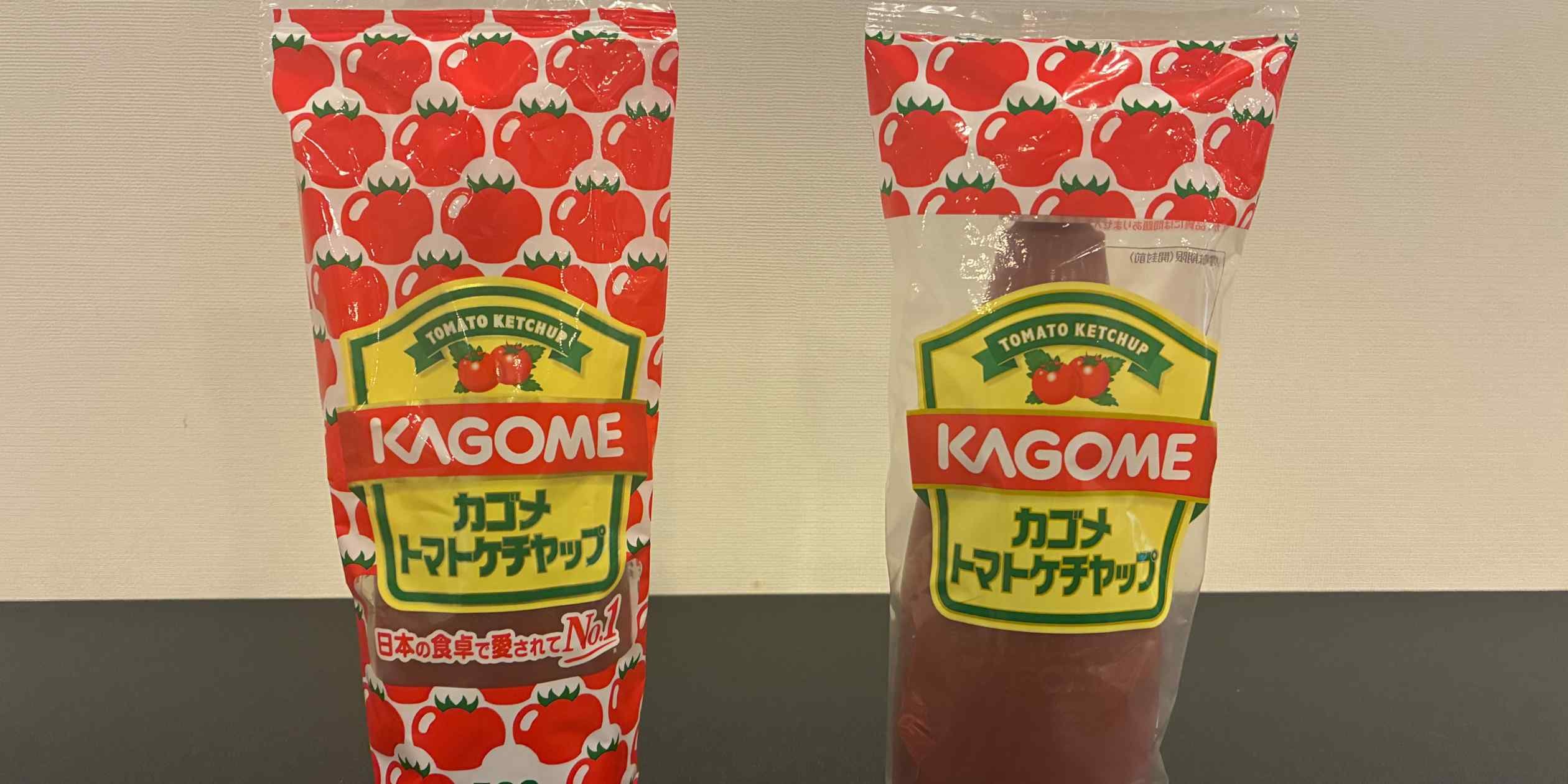
Key takeaway: Japan’s food sector is entering a period of cost‑driven product rationalization. Smaller portions and monochrome packaging are pragmatic responses to raw‑material, labor and logistics squeezes, but they also flag deeper supply‑chain vulnerabilities that could reshape competitive dynamics and invite regulatory intervention in the coming years.
Comments
Please log in or register to join the discussion