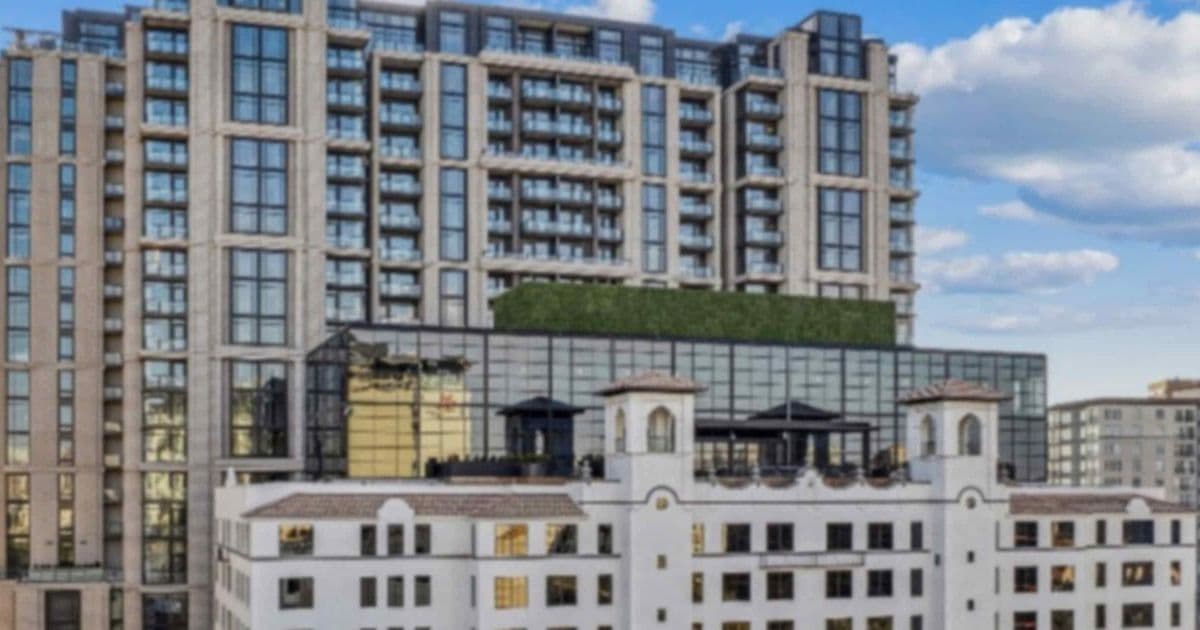
Mitsui Fudosan, Japan's largest property developer, shifts focus to US Sun Belt markets with a major investment targeting 6,000 rental units by 2030.
Japanese real estate giant Mitsui Fudosan will deploy over ¥450 billion ($2.84 billion) into rental housing developments across America's Sun Belt region through 2030. This strategic pivot targets high-growth southern US markets including Texas, Florida, and Georgia.
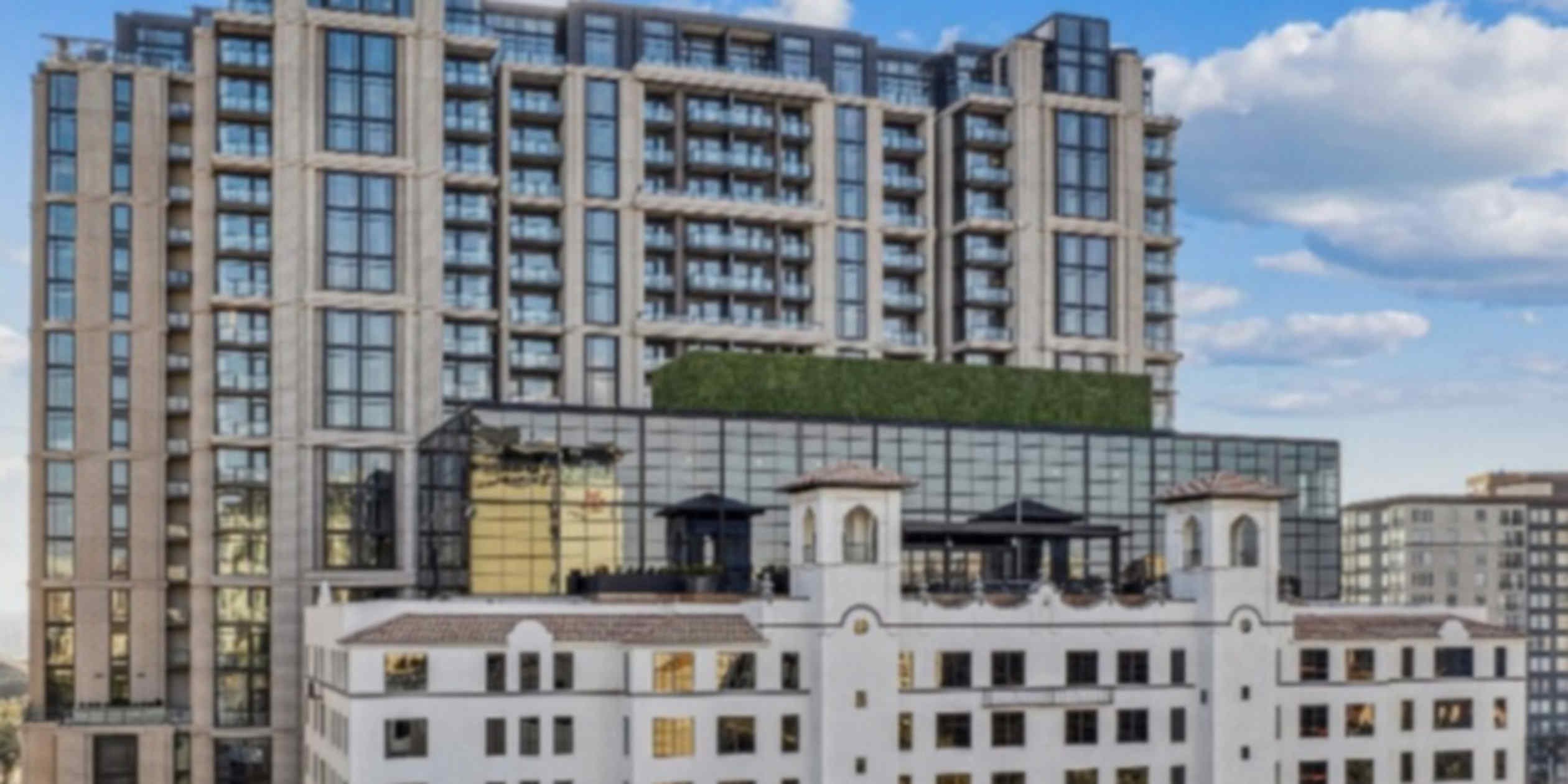 Mitsui Fudosan's Maple Terrace complex in Dallas exemplifies their US mixed-use strategy (Source: Mitsui Fudosan)
The investment responds to dual market pressures: Japan's stagnant domestic real estate sector contrasts sharply with Sun Belt fundamentals. This region leads US population growth with over 1.4 million new residents since 2020, driving unprecedented housing demand. Rental vacancy rates in key Sun Belt cities hover near 5-year lows at approximately 6%.
Mitsui's Dallas-based Maple Terrace project—completed last year—provides the operational blueprint. This mixed-use development combines residential units with retail spaces, reflecting the firm's integrated approach. The 6,000-unit pipeline represents strategic diversification; international assets now comprise 18% of Mitsui's portfolio, up from 12% five years ago.
The commitment signals deeper Japanese investment in US housing. Major competitors including Daiwa House and Sumitomo Realty have collectively announced over $5 billion in North American residential projects since 2024. This capital influx arrives amid US construction challenges, with Sun Belt housing starts declining 9% year-over-year despite population surges.
For Mitsui, the Sun Belt move balances domestic market exposure while capturing US rent growth currently exceeding 5% annually. The scale positions them to address critical housing shortages while establishing portfolio resilience against Japan's prolonged real estate stagnation.
Comments
Please log in or register to join the discussion