
Prime Minister Sanae Takaichi weighs dissolving Japan's Diet on January 23 for a February election to strengthen her coalition's narrow parliamentary majority, though delayed budget approval threatens economic planning.
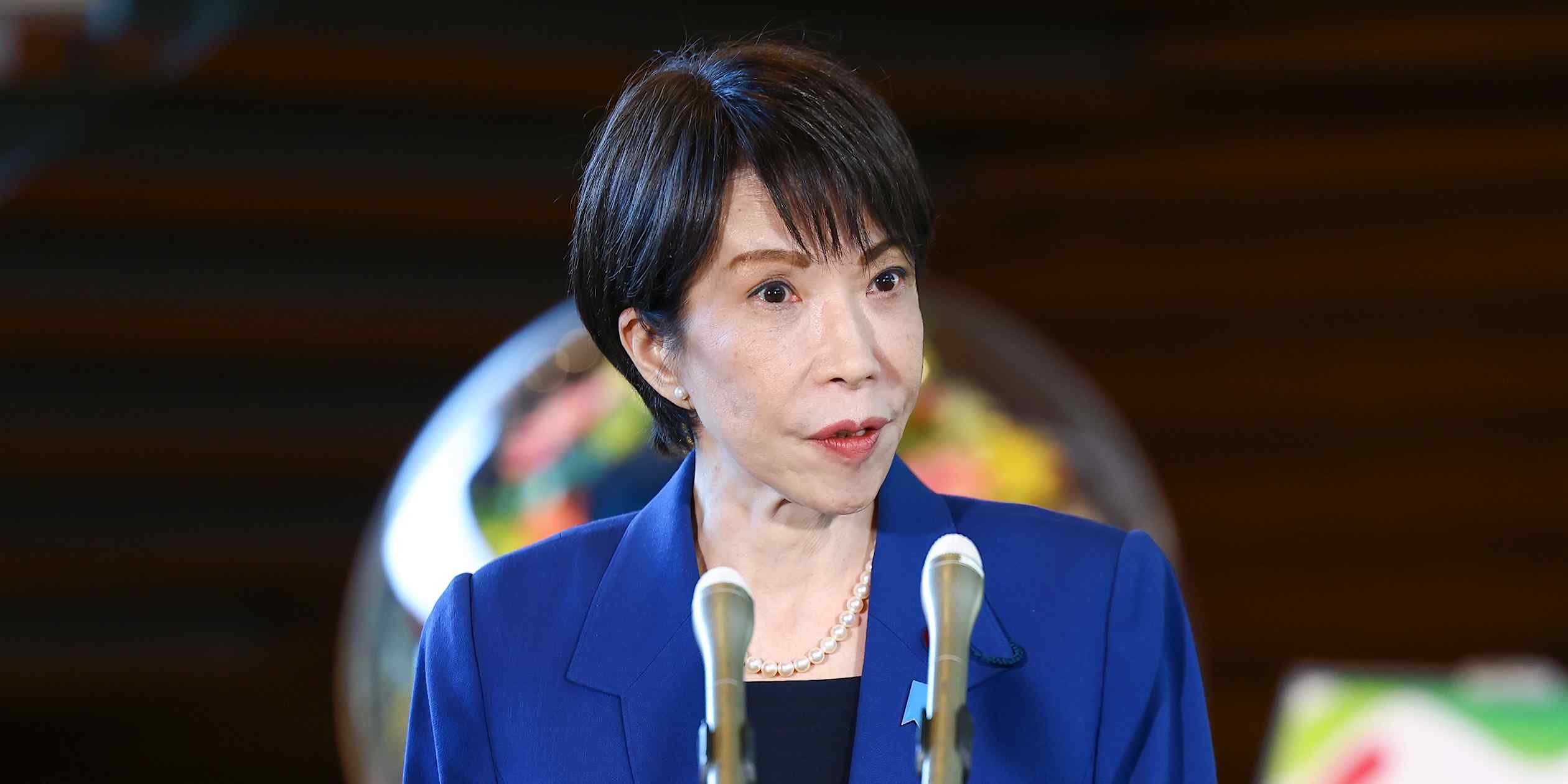
Japanese Prime Minister Sanae Takaichi has informed senior Liberal Democratic Party (LDP) officials that dissolving the lower house of parliament on January 23 remains "an option," setting the stage for a potential February general election. This strategic consideration aims to capitalize on Takaichi's current 75% approval rating to reinforce her coalition's fragile parliamentary position before external factors potentially erode public support.
The political calculus centers on electoral timing advantages. Japan's lower house currently comprises 465 seats, with Takaichi's ruling coalition holding a narrow majority of just 12 seats. Historical data indicates that Japanese leaders who call elections during high approval ratings typically gain 20-40 additional seats. With opposition parties fragmented and facing internal challenges, February presents a favorable window before scheduled budget deliberations in March.
However, the move carries significant economic implications. Dissolving parliament before February 10 would delay approval of Japan's ¥112 trillion ($780 billion) fiscal 2026 budget. Such postponement risks disrupting government spending allocations and could stall key initiatives, including:
- ¥3.5 trillion semiconductor subsidy program
- ¥2 trillion defense modernization funds
- Tax reforms targeting corporate investment incentives
Market analysts note that prolonged budget uncertainty could trigger short-term volatility in Japanese equities, particularly affecting sectors reliant on government contracts. The TOPIX index has shown 5-7% declines during previous budget delays, with construction and defense stocks historically most vulnerable. Conversely, brokerage firms typically see increased trading activity during election periods.
The timing intersects with critical economic deadlines. Japan faces Q1 deadlines for implementing OECD global minimum tax provisions and must finalize stimulus packages before the new fiscal year begins April 1. Delayed legislative processes could complicate corporate tax planning for multinationals operating in Japan.
Regionally, the election timing affects Japan's diplomatic calendar. Takaichi seeks early meetings with U.S. leadership to coordinate on China policy amid ongoing tensions over Taiwan and rare earth supply chains. Political transition periods typically create 60-90 day windows of reduced foreign policy momentum.
While strengthening parliamentary control could accelerate Takaichi's fiscal reform agenda, including her pledged budget surplus target for 2026, the gamble hinges on maintaining current approval levels amid inflation concerns. February elections would mark Japan's first winter general election in over a decade, testing voter turnout models in cold-weather regions where LDP traditionally underperforms.
Comments
Please log in or register to join the discussion