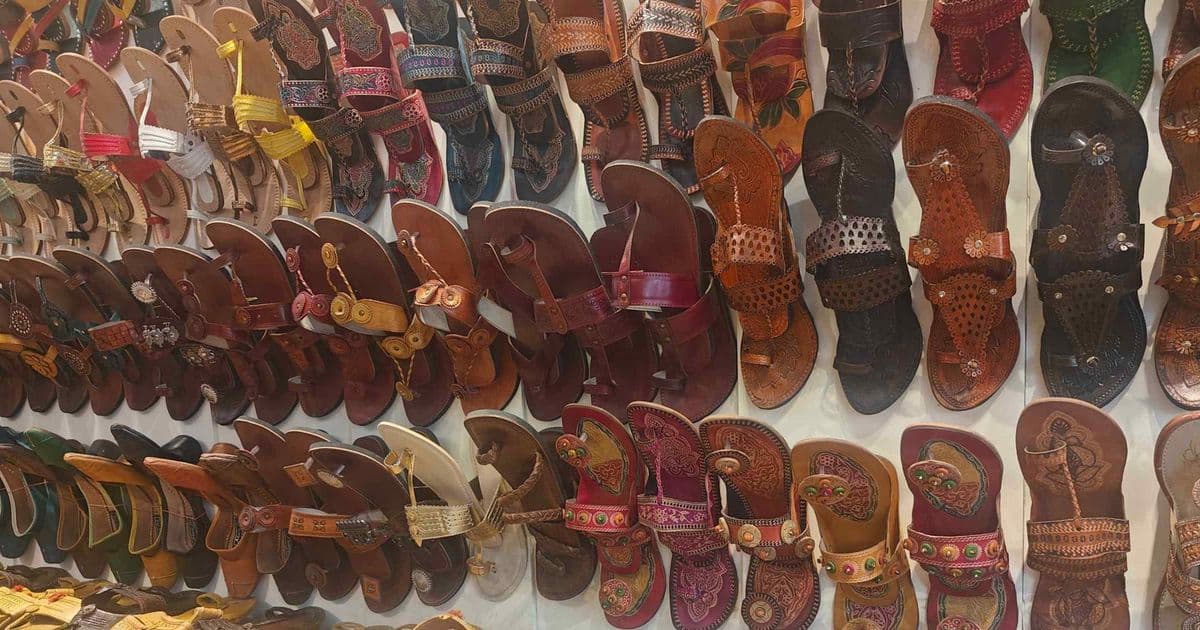
A partnership between Italian luxury house Prada and Indian artisans to produce limited-edition Kolhapuri chappals has ignited discussions about intellectual property, fair compensation, and the globalization of traditional crafts.
The luxury fashion world has turned its attention to India's Maharashtra state, where centuries-old shoemaking traditions are colliding with modern brand economics. Prada's upcoming limited-edition collection featuring Kolhapuri chappals—traditional leather sandals dating to the 12th century—has generated both excitement and controversy within the global fashion community.
Kolhapuri chappals originated in the Kolhapur region and have been produced by artisan families for generations using vegetable-tanned leather and distinctive construction techniques. The sandals typically feature a Y-shaped strap design and are crafted entirely by hand using tools and methods passed down through families. Traditional artisans in Maharashtra and Karnataka currently produce approximately 8 million pairs annually, primarily for domestic consumption.
Prada's collaboration emerged after the luxury house's designers visited artisan workshops in India and studied the traditional manufacturing process. The Italian brand plans to release the collection in February, with pricing expected to reflect luxury market positioning rather than traditional artisan costs. Industry analysts estimate the limited-edition pieces could retail between $500 and $800 per pair, compared to traditional Kolhapuris that sell locally for $15 to $40.
The partnership has triggered backlash from cultural preservation advocates and artisan communities who question whether the collaboration adequately compensates the original craftspeople. Indian commerce minister Piyush Goyal responded to the controversy by highlighting the economic opportunity, projecting potential export value exceeding $1 billion if Kolhapuri chappals gain international recognition through such luxury partnerships.
The debate centers on several critical issues facing traditional crafts in the global marketplace. First is the question of cultural appropriation versus appreciation—whether a European luxury house profiting from traditional Indian designs constitutes respectful collaboration or extraction. Second is compensation equity: reports suggest Prada is working with select artisan cooperatives and paying fair wages for production, but the massive markup raises questions about value distribution along the supply chain.
Third is intellectual property protection. Unlike Geographical Indications (GI) tags that protect products like Champagne or Darjeeling tea, Kolhapuri chappals lack formal international IP protection, making it difficult to prevent foreign brands from producing similar designs. India has filed for GI status for Kolhapuri chappals, but the process remains ongoing.
The collaboration also reflects broader trends in luxury fashion's search for authenticity. As consumers increasingly value heritage and craftsmanship, brands like Prada are seeking genuine artisan partnerships to differentiate from mass production. However, this creates tension between preserving traditional methods and meeting luxury market demands for consistency and scale.
Artisan communities involved in the collaboration reportedly receive direct payment for their work plus attribution in marketing materials. However, critics argue this falls short of true partnership models that would include profit-sharing or long-term development support for the communities producing the goods.
The situation mirrors previous controversies in the fashion industry, including when luxury brands faced criticism for producing traditional African or Native American designs without proper attribution or compensation. The difference here is that Prada has publicly acknowledged the inspiration and partnered with specific artisans, potentially setting a precedent for future luxury-craft collaborations.
India's government sees this as an opportunity to formalize and scale traditional craft exports. The commerce ministry is reportedly developing frameworks to protect artisan interests while encouraging international partnerships. This includes potential GI registration, artisan cooperative formation, and export certification programs that would authenticate genuine handcrafted pieces.
For consumers, the controversy raises questions about value and authenticity. The Prada Kolhapuris will likely sell out quickly to luxury customers seeking exclusive pieces with cultural narrative. Traditional artisans and their advocates hope this visibility will drive interest in authentic, fairly-priced versions from the original producers.
The outcome of this collaboration may influence how luxury brands approach traditional crafts in the future. If successful, it could encourage more respectful partnerships with proper compensation models. If backlash dominates, brands may become more cautious about working with traditional designs, potentially limiting opportunities for artisan communities to access global markets.
The February launch will provide concrete data on consumer response and the actual economic impact on participating artisan communities. Until then, the debate continues over how to balance cultural preservation, fair trade, and luxury market dynamics in an increasingly interconnected global fashion economy.
Comments
Please log in or register to join the discussion