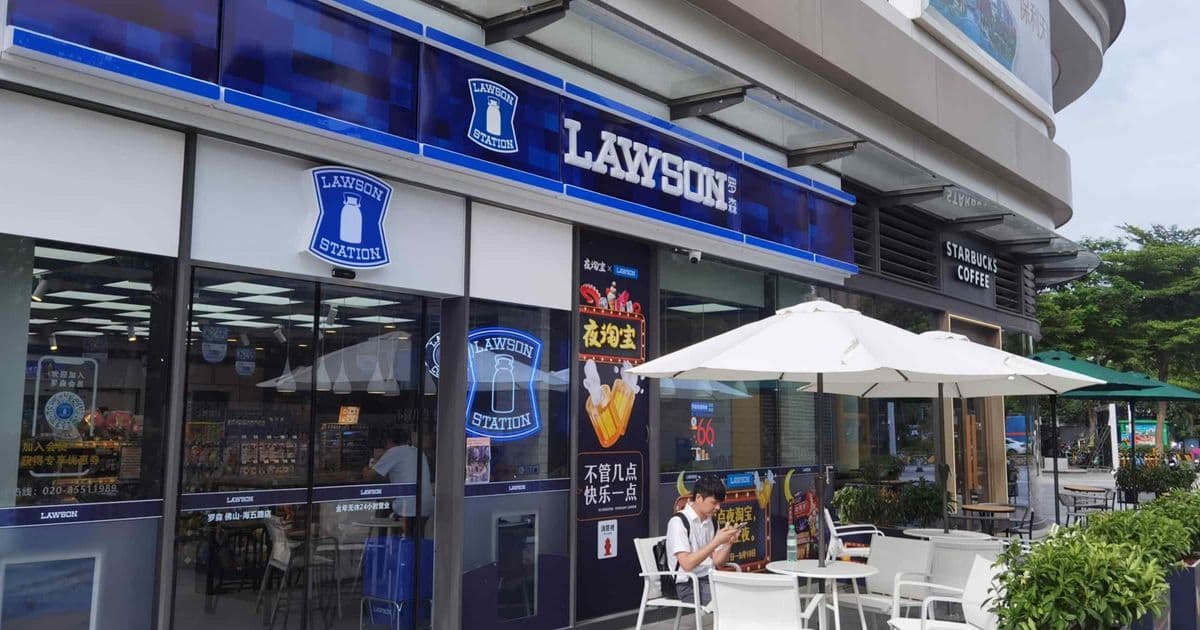
Seven-Eleven and Lawson have fallen short of store expansion targets in China, pressured by economic headwinds and local competitors leveraging technology for price advantages and delivery dominance.
In a strategic setback for Japan's retail giants, Seven-Eleven and Lawson have failed to meet their store-opening targets across mainland China. The shortfall reflects deeper structural challenges: China's persistent economic pressures have dampened consumer spending, while agile local competitors like Bianlifeng and Meiyijia have aggressively captured market share through technology-enabled business models.
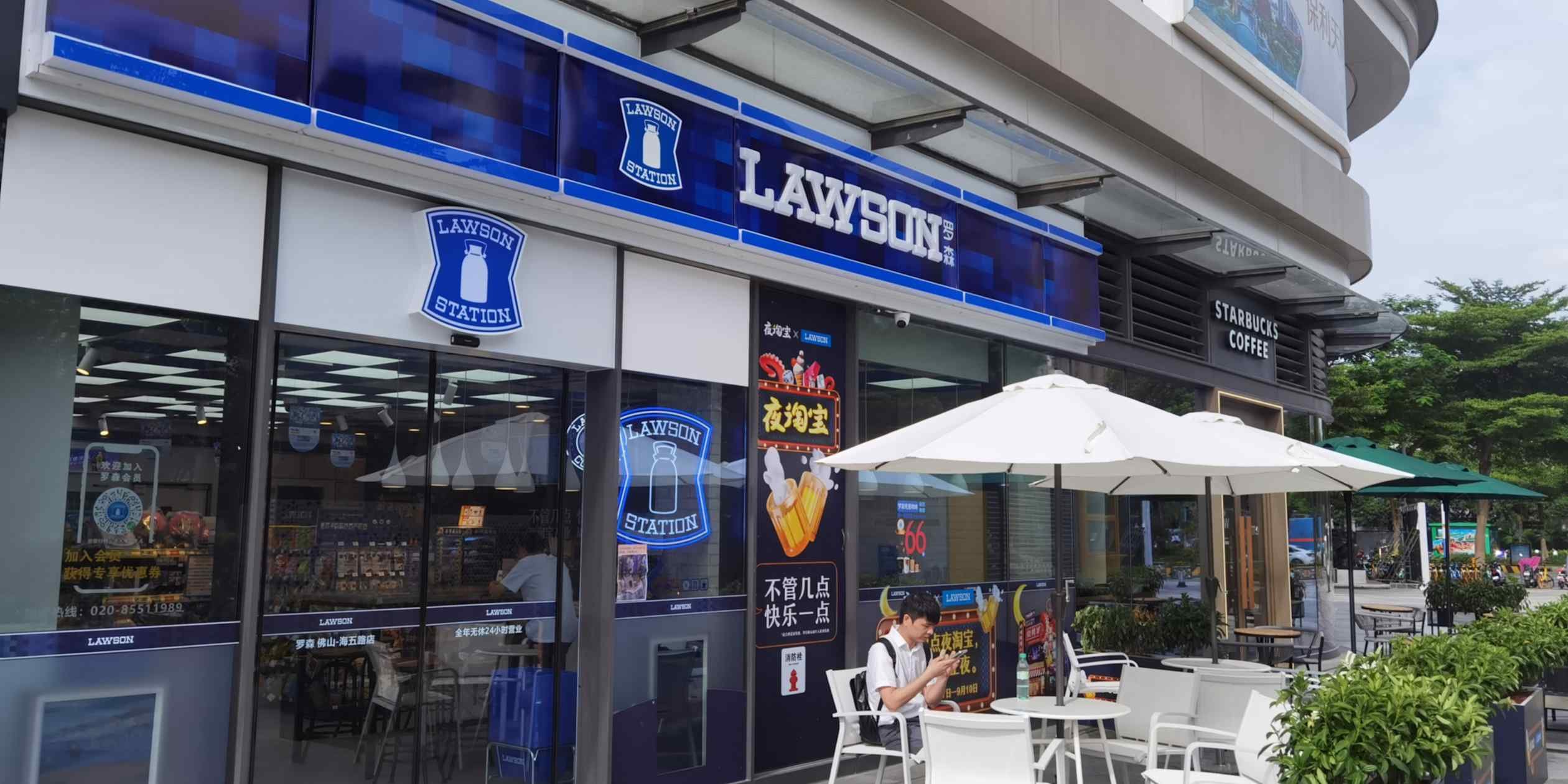
Local chains have fundamentally rewritten convenience retail rules by integrating mobile payment ecosystems, AI-driven inventory systems, and hyperlocal delivery networks. These platforms enable average delivery times under 30 minutes at 15-20% lower price points than Japanese incumbents—critical advantages in China's cost-sensitive market. Data from the China Chain Store Association shows domestic convenience brands grew outlets by 28% year-over-year in 2025, while foreign players managed just 7% growth.
The technological divergence is stark. Chinese chains deploy real-time sales analytics to optimize high-margin product mixes (like ready-meals tailored to regional tastes) and maintain 98% inventory accuracy. Their apps function as comprehensive lifestyle platforms, embedding social commerce features and cross-promotions with food delivery services like Meituan. This creates a self-reinforcing ecosystem where user engagement directly drives foot traffic.
For Seven-Eleven and Lawson, recovery requires fundamental operational shifts. Strategic priorities must include:
- Delivery Infrastructure: Building dedicated dark stores or partnering with platforms like Ele.me to match last-mile capabilities
- Data Utilization: Implementing predictive analytics for demand forecasting and localized product development
- Payment Integration: Embedding Alipay/WeChat Pay ecosystems beyond basic transactions into loyalty programs
- Automation: Testing cashierless checkout and AI-powered shelf monitoring to reduce labor costs
Financial implications are severe. Analysts estimate each percentage point of market share lost to local competitors equates to $120M in annual revenue displacement. With Chinese convenience retail projected to reach $95B by 2028, Japanese firms risk permanent margin erosion without tech-centric reinvention. The lesson for global retailers is clear: in China's digitized consumer landscape, operational excellence now demands platform-level technological integration.
Comments
Please log in or register to join the discussion