Takeda, Astellas, and their peers are routing more R&D money into China to source early-stage drug candidates, with Takeda's CEO saying Chinese development now approaches US standards. The shift tracks a record $135 billion in cross-border licensing deals and reframes China from a manufacturing base into a discovery engine.
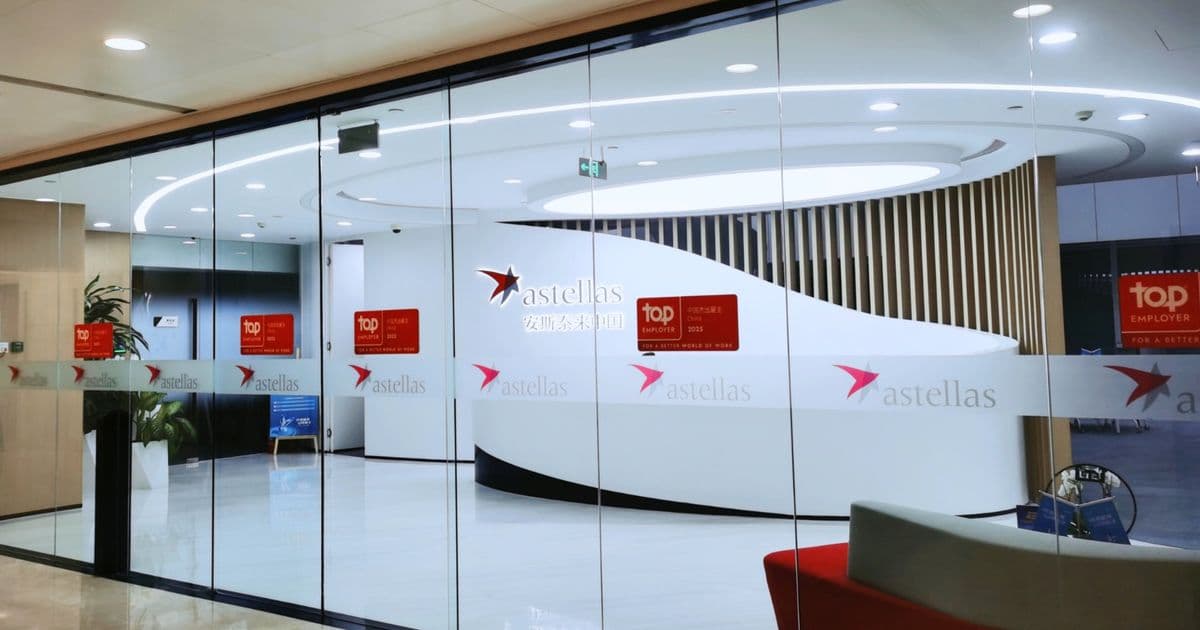
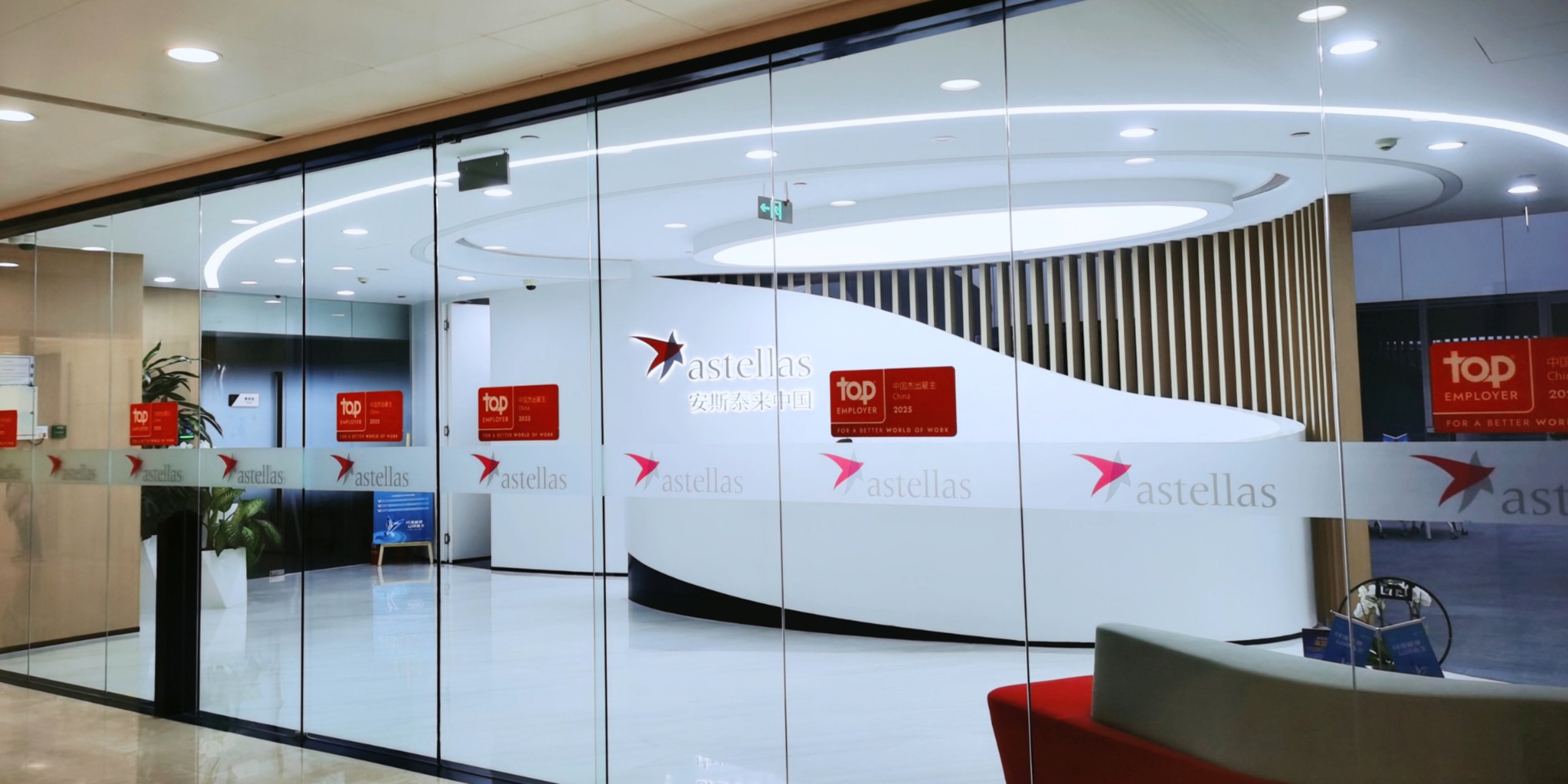
Japan's largest drugmakers are redrawing their research maps, and the new center of gravity sits in China. According to reporting from Nikkei Asia, companies including Takeda and Astellas are expanding investment in the world's second-largest pharmaceutical market, not primarily to sell more drugs there, but to find them. Astellas is opening a new R&D facility in a Beijing industrial park, a concrete signal that the country is being treated as a source of innovation rather than a downstream market.
The headline endorsement came from Takeda's chief executive, who said Chinese drug development capabilities are nearing US levels. That is a notable statement from the leader of Japan's biggest pharmaceutical company by revenue, and it reflects a recalibration that has been building across the industry for several years.
The numbers behind the shift
The clearest evidence sits in the deal data. Chinese drugmakers struck a record $135 billion in cross-border licensing agreements, according to Caixin figures cited alongside the Nikkei report. These are arrangements where a Chinese biotech discovers and develops a molecule, then licenses the rights to a larger foreign partner in exchange for upfront cash, milestone payments, and royalties.
The individual transactions are getting larger too. Innovent Biologics signed a deal with Pfizer valued at up to $10.5 billion, the kind of figure that until recently was reserved for assets coming out of Boston or the San Francisco Bay Area. When a single licensing agreement carries that much potential value, it tells you the acquiring company believes the underlying science is competitive with anything in the Western pipeline.
For context, the global pharmaceutical industry spends roughly $250 billion a year on research and development, and the cost of bringing a single new drug to market is commonly estimated at well over $2 billion once failed candidates are accounted for. Against that backdrop, licensing a de-risked, clinically validated molecule from a Chinese partner becomes an attractive form of arbitrage. You pay for results rather than gambling on a discovery program that may never produce anything.
Why China, and why now
Several structural forces converge here. China has built a deep bench of returnee scientists, many trained at top US and European institutions and pharmaceutical companies, who came home over the past decade to start or staff biotechs. The country also runs clinical trials faster and at lower cost, with access to large patient populations and a regulatory body, the National Medical Products Administration, that has aligned more closely with international standards through its membership in the International Council for Harmonisation.
The practical result is speed. A Chinese biotech can often move a candidate from concept into early human testing on a timeline and budget that Western firms struggle to match. For Japanese companies, which have long faced a thin domestic pipeline of novel compounds and intense competition for licensing deals in the United States, China offers a less crowded hunting ground that is improving in quality year over year.
Japan's own policy environment adds pressure. AstraZeneca's chief executive has warned that Japan risks losing access to new medicines without drug pricing reform, and a US drug pricing plan threatens to compound the problem by reshaping global price references. When the home market becomes harder to monetize, the incentive to control costs on the input side, meaning discovery and early development, grows stronger. Sourcing candidates from China is one lever Japanese firms can pull.
What it means
The strategic implication is a reordering of the global drug discovery supply chain. For two decades the narrative cast China as the place where active ingredients and generics were manufactured cheaply. The emerging reality is that China is becoming a place where original intellectual property is created. That changes the competitive calculus for every large pharmaceutical company, not just Japanese ones, as the Pfizer and Innovent deal demonstrates.
For Japanese firms specifically, the move carries both upside and exposure. The upside is access to a faster, cheaper, and increasingly credible flow of new candidates at a moment when their own pipelines and pricing power are under strain. The exposure is geopolitical. Deepening R&D ties with China sits against a backdrop of US scrutiny over biotech supply chains, including legislative efforts in Washington aimed at limiting American firms' work with certain Chinese partners. A Japanese company that builds its future pipeline on Chinese discovery is making a bet that those tensions stay manageable.
There is also a quieter competitive story for the United States. If Chinese biotechs can consistently produce assets that command ten-figure licensing deals, the premium that Western discovery has long commanded begins to erode. The value migrates toward whoever can run trials and generate data most efficiently, and increasingly that is not Cambridge or South San Francisco.
Astellas planting an R&D facility in Beijing is therefore more than a real estate decision. It is a statement about where the company expects its next generation of drugs to originate. Japan's pharmaceutical industry, squeezed by domestic pricing and a maturing home pipeline, is answering that question by moving closer to the source. The $135 billion in licensing activity suggests the rest of the industry has already reached the same conclusion.
Comments
Please log in or register to join the discussion