Warburg Pincus is moving to take Japanese student housing leader J.S.B. private in a tender offer worth roughly 200 billion yen, a wager on rising rental demand as Japan opens its universities to more international students and institutional capital floods the country's property market.
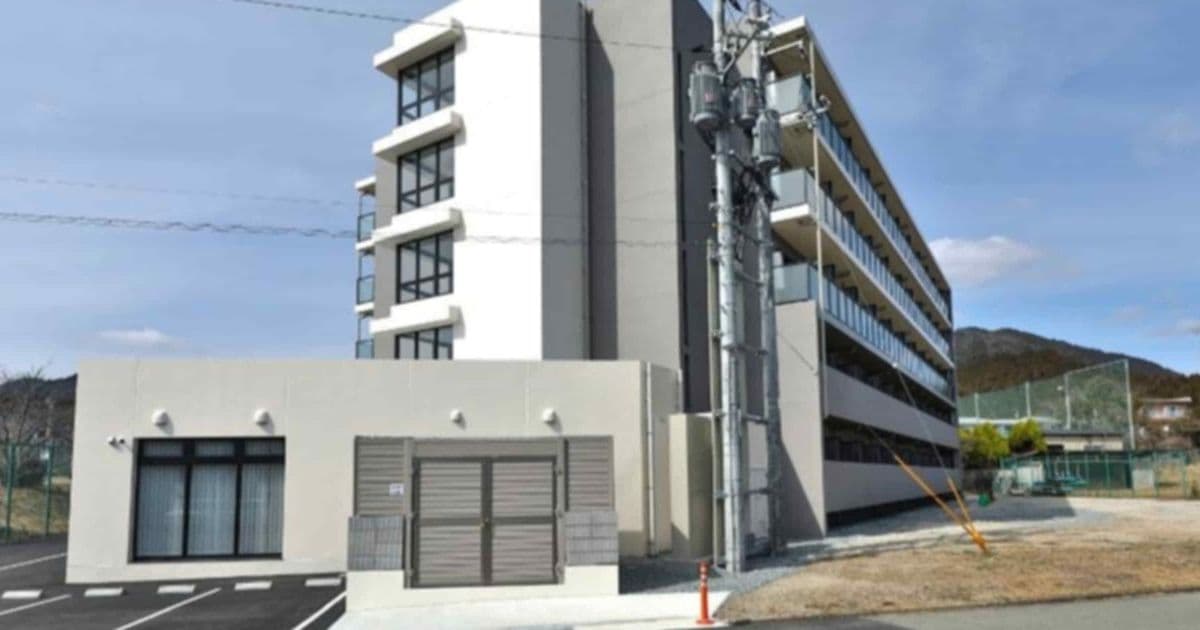
U.S. private equity firm Warburg Pincus plans to launch a tender offer for J.S.B., Japan's largest dedicated student housing operator, in a deal estimated at around 200 billion yen ($1.25 billion). The plans, announced Friday, would take the Kyoto-based company private and hand one of the world's most active growth investors control of a portfolio managing roughly 100,000 rental units nationwide.
The transaction sits at the intersection of two trends that have made Japanese real estate one of the most sought-after destinations for global capital: a structural shift in housing demand and a yen that remains weak enough to make dollar-denominated buyers' money go further. For Warburg Pincus, which manages more than $80 billion in assets and has built a substantial real estate franchise across Asia, J.S.B. offers a stabilized, cash-generative platform with a defensible position in a fragmented market.
Why student housing, and why now
J.S.B. operates a specialized niche. Student accommodation in Japan has historically been dominated by small landlords and university-affiliated dormitories, leaving room for a national operator that can standardize management, leasing and maintenance at scale. With 100,000 units under management, J.S.B. has the kind of density that lets an owner squeeze efficiency out of operations and command pricing power with both universities and parents who fund the leases.
The demand thesis rests on international enrollment. Japan has set targets to expand the number of foreign students at its universities, part of a broader policy push to offset a shrinking domestic working-age population. Each incoming cohort of overseas students arrives needing housing, and they tend to favor managed, furnished units near campuses rather than navigating Japan's notoriously complicated private rental market, which often requires guarantors and substantial upfront fees. That makes purpose-built student accommodation a relatively recession-resistant asset class, with occupancy tied to enrollment cycles rather than the broader economy.
The capital backdrop
The deal lands during an extraordinary stretch for Japanese property. Corporate real estate sales recently hit an 18-year high, and Japan Inc. is sitting on an estimated $130 billion in paper property gains, drawing pressure from activist investors who want those assets monetized or put to more productive use. Global firms have been the most aggressive buyers. Blackstone and ESR have been competing for Japanese warehouses, Sumitomo Mitsui Trust has partnered with a U.S. fund on alternative investments, and SMFG is helping Japanese universities unlock $62 billion in dormant assets.
Warburg Pincus is reading the same signals. A weak yen lowers the entry price for foreign capital, while Japan's relatively low interest rates, even as the Bank of Japan inches toward normalization, keep financing costs manageable compared with the United States or Europe. The risk is rate trajectory: Tokyo's condo boom has already cooled as borrowing costs rise, a reminder that the cheap-money tailwind that drew so much capital into Japanese property is not permanent.
What it means
Taking J.S.B. private gives Warburg Pincus room to operate without the quarterly scrutiny of public markets, the standard private equity playbook of buying a stable cash flow, optimizing operations, and potentially rolling up smaller competitors in a fragmented sector. At 200 billion yen, the price tags J.S.B. as a sizable platform deal rather than a speculative bet, suggesting the firm sees a multi-year horizon for consolidating Japan's student housing market.
For the broader market, the deal is another data point in a clear pattern. Foreign institutional money is no longer treating Japanese real estate as a trophy purchase but as an operating business to be scaled. Warehouses, data center infrastructure, condos, and now student housing are all being repriced by buyers who believe Japan's combination of demographic shifts, policy-driven demand, and favorable financing still has room to run. Whether that thesis holds depends largely on how fast the Bank of Japan tightens, and whether international enrollment grows quickly enough to fill the units these investors are paying premium prices to own.
Comments
Please log in or register to join the discussion