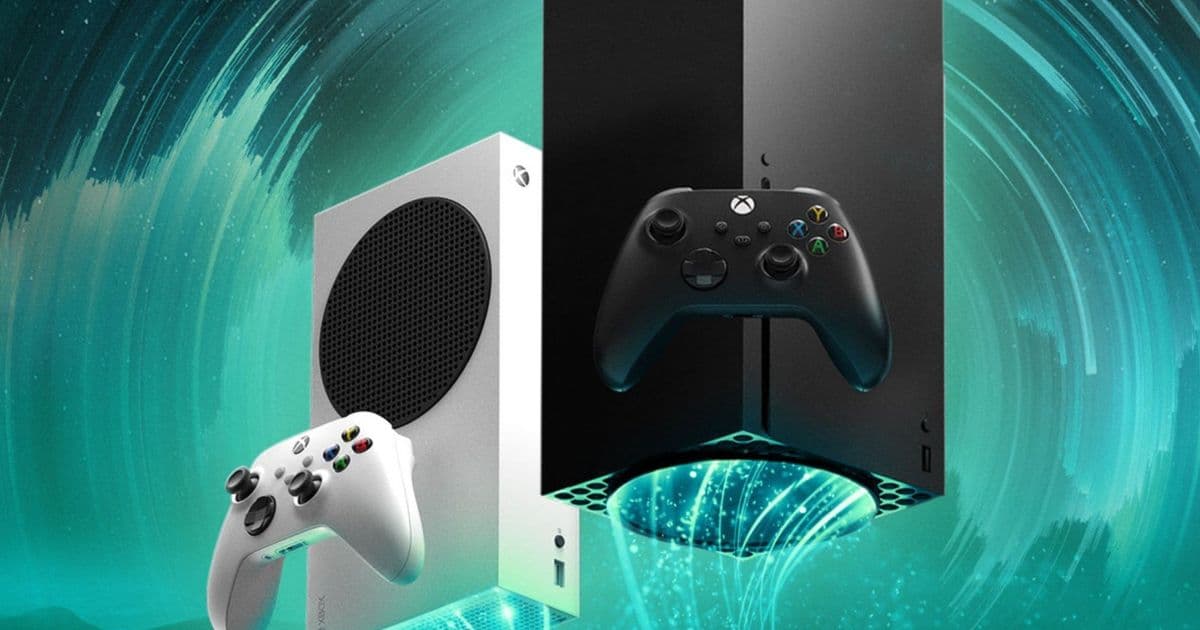
A new Windows Central report claims Microsoft loses hundreds of dollars on every Series X|S console, with the AI-driven memory shortage pushing component costs up 50% since CEO Asha Sharma took over. Repeated price increases haven't closed the gap, and selling more hardware may now make the math worse.
Console hardware has always been a loss-leader business, but the numbers coming out of Microsoft's Xbox division suggest the model is breaking down. According to a Windows Central report from Jez Corden, Microsoft is now losing what he describes as hundreds of dollars on each Series X|S unit sold, and a string of price increases hasn't been enough to stop the bleeding.
What's new
The core problem is supply, not demand. Corden reports that Xbox "struggled to secure anywhere near enough memory with fixed prices necessary to keep its hardware margins healthy." That matters because GDDR memory and storage are two of the most expensive components in a modern console, and both are caught in an AI-fueled buying frenzy that has data center operators outbidding consumer hardware makers for the same silicon.
Xbox CEO Asha Sharma has been unusually direct about the situation, admitting the business is "not in a healthy spot" and that it needs a "reset." She says component costs have climbed 50% since she stepped into the role, and she expects the shortage to keep pressuring margins rather than easing. That is a sharp departure from how console economics normally work, where parts get cheaper and assembly gets more efficient as a generation matures.
The usual cushion, software and services revenue, is also under strain. Game Pass price hikes pushed subscribers to cancel, and Corden notes that several first-party titles underperformed against internal expectations. When the razor-and-blades model depends on blades that aren't selling as well as planned, a money-losing razor becomes a much bigger liability.
How it compares
Losing money on console hardware is not new for Microsoft. Back in 2022, then-Xbox chief Phil Spencer acknowledged the company was losing $100 to $200 per console. At that point the Series X sold for $499 and the Series S for $299, and Spencer said there were no plans to raise prices.
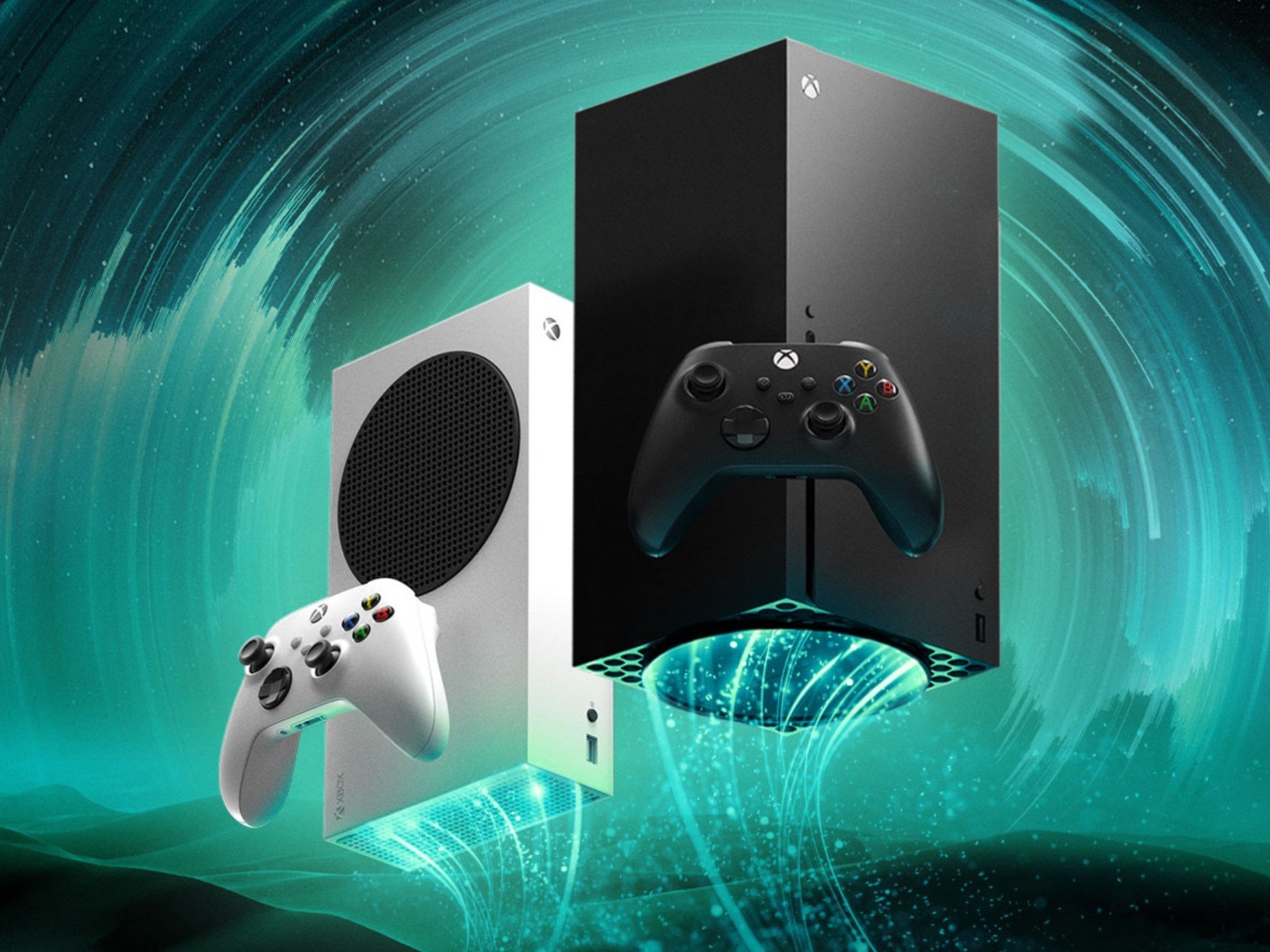
That held until tariffs and the component crunch changed the math. The Series X now carries a $649.99 price tag, a $150 increase over launch, while the Series S sits somewhere in the $400 to $450 range depending on configuration, up from its original $299. Despite raising the sticker price by roughly 30 to 50%, the per-unit loss has reportedly grown rather than shrunk, which tells you how far underlying costs have moved.
Sony and Nintendo are fighting the same headwinds. The PlayStation 5 has become more expensive to manufacture over its lifespan instead of cheaper, an unusual reversal for a console several years into its run, and Sony has pushed through its own regional price increases. Nintendo faces the same memory market. Corden's argument is that Microsoft is more exposed than its rivals, partly because it couldn't lock in the fixed-price memory contracts its competitors secured, and partly because its services revenue isn't carrying as much weight right now. When all three platform holders are squeezed, the one with the weakest hardware sales and the softest subscriber growth has the least room to absorb the hit.
The practical consequence is counterintuitive. For most of console history, moving more units was good even at a loss, because attach rates on games and subscriptions eventually turned each buyer profitable. If Microsoft isn't subsidizing each box in a way that pays off through software, then selling more consoles could deepen the losses instead of offsetting them. That inverts the entire strategic logic that has governed the industry since the original Xbox.
Who it's for, and what comes next
For buyers, the near-term takeaway is that Xbox hardware prices are unlikely to fall and could climb again if memory costs keep rising. Anyone waiting for a mid-generation price cut, the traditional reward for patient shoppers, may be waiting on something that isn't coming this cycle.
The more interesting signals are about where the hardware itself is heading. Sharma pointed to Project Helix, Microsoft's next platform effort, potentially arriving as soon as 2027. She also hinted that future hardware revisions could lean on cloud gaming to eliminate the need for large local SSDs, which would directly attack one of the cost centers driving these losses. A thinner, storage-light device that streams rather than installs would sidestep the exact components that have become so expensive.
Corden additionally suggests Microsoft will lean harder on OEM partners to target specific regions, a move that could blunt tariff penalties and smooth out distribution. That fits with the broader trajectory of Xbox as a platform that increasingly shows up on other companies' hardware, from handhelds to TVs, rather than only on Microsoft's own boxes. If the dedicated console becomes a harder business to justify financially, spreading the platform across third-party devices is a logical hedge.
None of this is confirmed product strategy, and Microsoft has not detailed Project Helix publicly. What the report does establish is a clear tension: the company is being asked to invest its way out of a hardware economics problem at the same moment the components it needs are the most contested in the market. How Microsoft resolves that, whether through cloud-centric devices, OEM partnerships, or a rethink of the subsidy model entirely, will shape what the next Xbox actually looks like.
Comments
Please log in or register to join the discussion