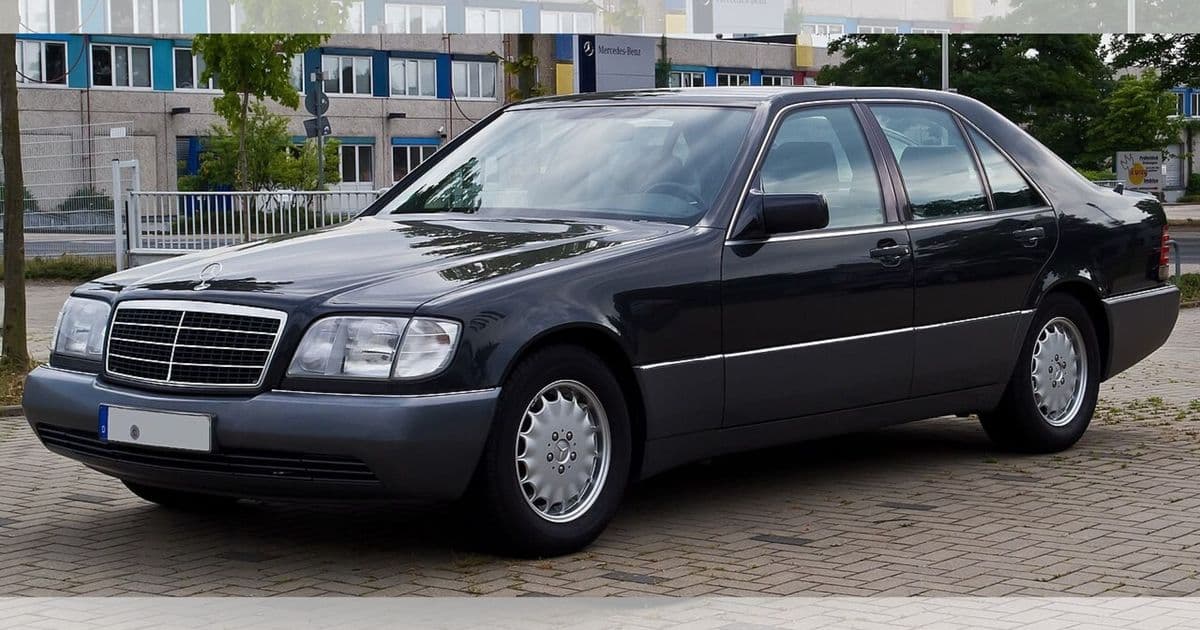
NVIDIA CEO Jensen Huang shared a personal anecdote during a 2026 World Economic Forum interview, revealing he cashed out company stock after the 1999 IPO to buy his parents a Mercedes S-Class. The shares he sold, if held through subsequent stock splits, would now be valued at approximately $1.33 billion, highlighting the extraordinary long-term growth of the semiconductor giant.
During a candid conversation at the 2026 World Economic Forum, NVIDIA CEO Jensen Huang reflected on a personal financial decision that has since become a staggering example of the company's growth. Huang recounted cashing out a portion of his NVIDIA stock following the company's 1999 IPO to purchase a luxury vehicle for his parents.
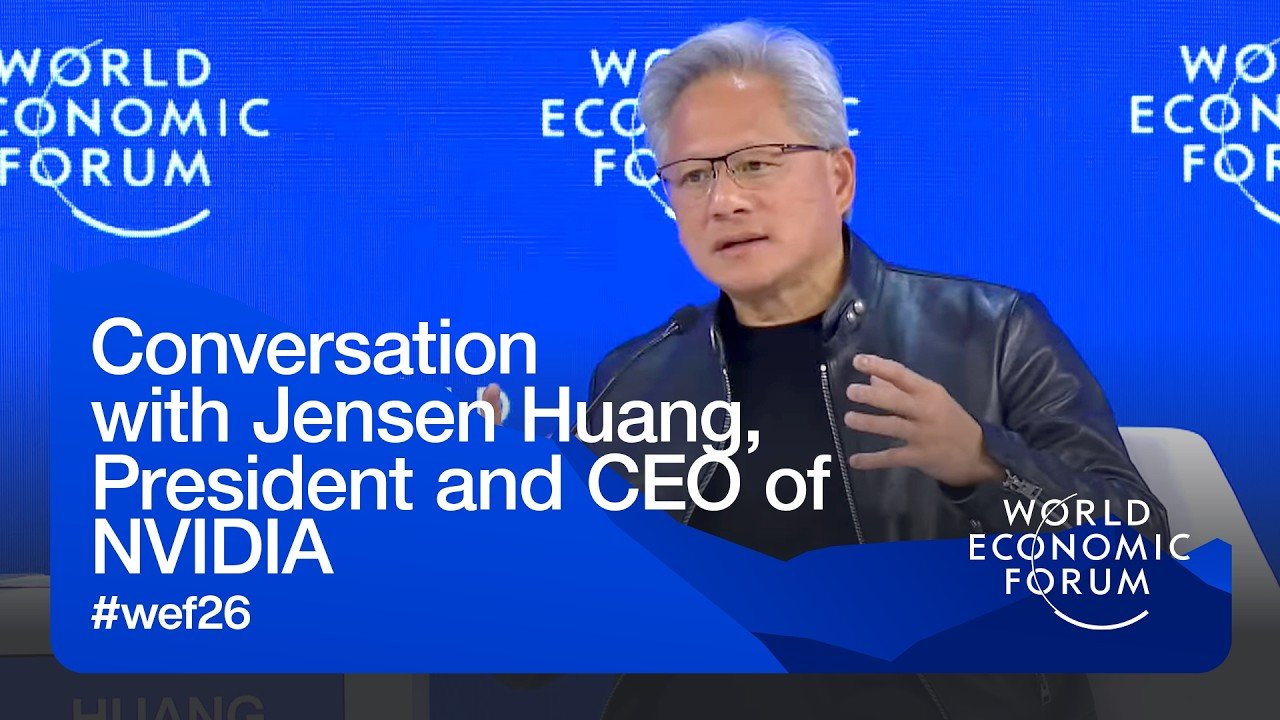
"My only regret was at the IPO. After the IPO, I wanted to buy my parents something nice, and so I sold Nvidia stock at a valuation of $300 million — the company was at a valuation of $300 million — and I bought them a Mercedes S-Class," Huang said. "It is the most expensive car in the world. They regret it."
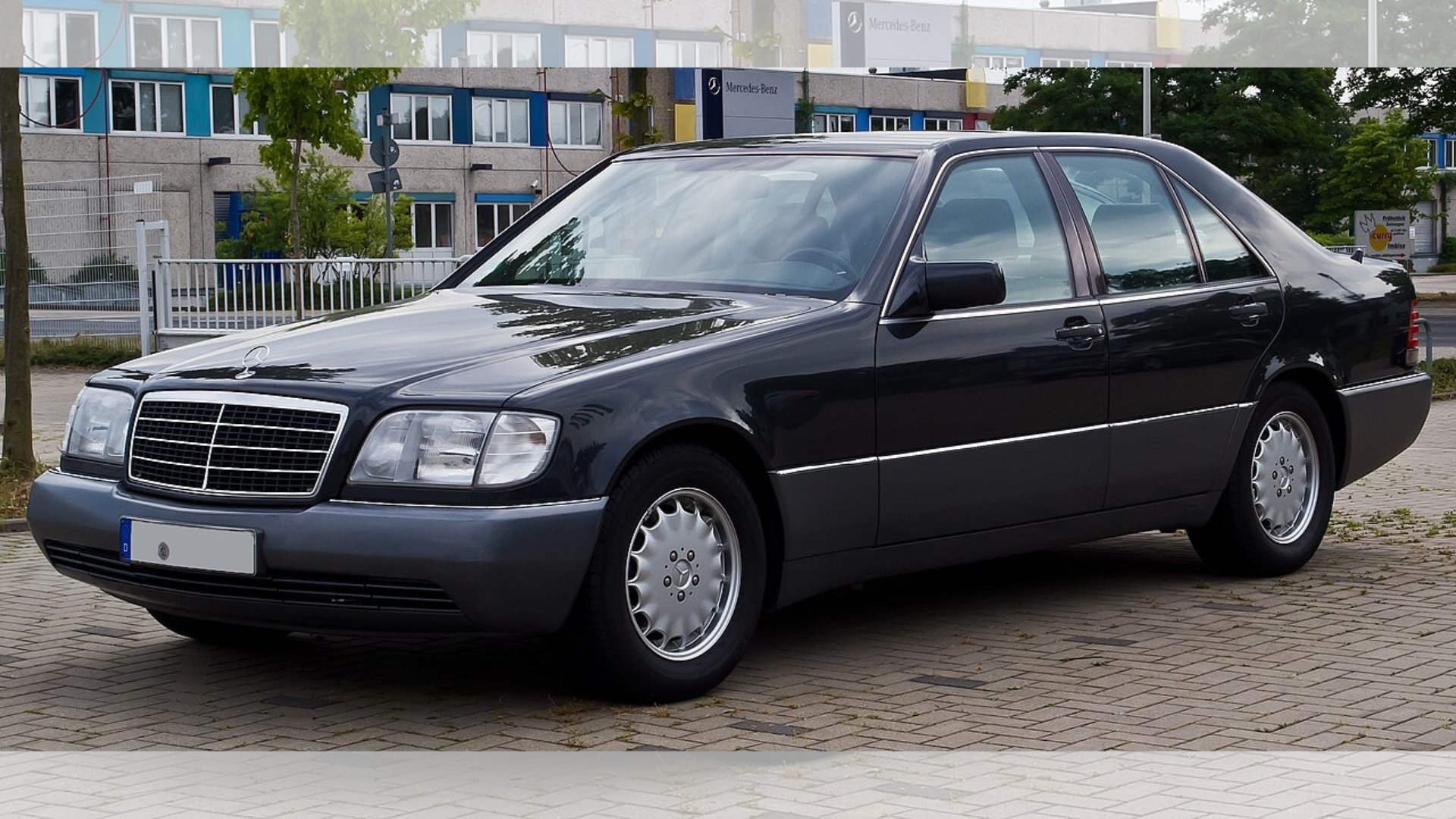
The vehicle in question was a Mercedes-Benz S-Class, the brand's flagship sedan at the time. Based on the era and Huang's description, this was almost certainly an S600 model, powered by a 6.0-liter V12 engine. In 1999, a fully-optioned S600 carried a price tag of approximately $135,000. To afford this purchase, Huang would have needed to sell roughly 11,250 shares of NVIDIA stock, which was trading at $12 per share at the time of the IPO.
The true cost of that decision, however, is revealed when tracking the subsequent history of NVIDIA's stock. Since the 1999 IPO, the company has executed multiple stock splits, fundamentally altering the share count and value:
- January 22, 1999 (IPO): 11,250 shares
- June 27, 2000 (2-to-1 split): 22,500 shares
- September 17, 2001 (2-to-1 split): 45,000 shares
- April 7, 2006 (2-to-1 split): 90,000 shares
- September 11, 2007 (1.5-to-1 split): 135,000 shares
- July 20, 2021 (4-to-1 split): 540,000 shares
- June 10, 2024 (10-to-1 split): 5,400,000 shares
If Huang had gifted his parents the shares instead of the Mercedes, they would now hold 5.4 million shares. With NVIDIA's stock price hovering around $187 per share at the time of the interview, that position would be valued at approximately $1.01 billion. However, considering the stock's volatility and the exact timing of the quote, the value could easily reach $1.33 billion during market peaks.
This figure dwarfs the cost of even the most exclusive modern automobiles. The bespoke Rolls-Royce Droptail, currently the world's most expensive new car, commands a price of $32 million per unit, with only four being produced. The potential value of the NVIDIA shares exceeds the cost of 40 such vehicles.
For context, Huang's personal stake in NVIDIA remains immense. Even after selling 6 million shares last year, his remaining holdings are estimated to be worth approximately $123 billion. The $1.33 billion opportunity cost represents just over 1% of his current net worth, underscoring the scale of NVIDIA's ascent from a $300 million valuation company to a trillion-dollar semiconductor behemoth.
The anecdote serves as a powerful illustration of the long-term value creation in the semiconductor industry, where strategic patience with equity positions can yield extraordinary returns. Huang's regret is not financial—he remains one of the world's wealthiest individuals—but rather a reflection on the opportunity cost of that early liquidity event.

The story also highlights the personal sacrifices and decisions behind corporate leadership. While Huang's parents still own the Mercedes, a tangible reminder of his filial gesture, the financial mathematics present a stark contrast between consumption and investment in a rapidly growing technology company.
NVIDIA's journey from a $300 million valuation in 1999 to its current market cap demonstrates the explosive growth potential in specialized computing architectures. The company's focus on graphics processing units (GPUs) and later artificial intelligence accelerators has transformed it from a niche graphics card manufacturer into a foundational technology provider for the AI revolution, driving its stock price and market value to unprecedented levels.
This personal story from NVIDIA's founder provides a human perspective on the monumental growth of the semiconductor industry over the past quarter-century, where individual investment decisions made during the sector's formative years have yielded returns that were virtually unimaginable at the time.
Comments
Please log in or register to join the discussion