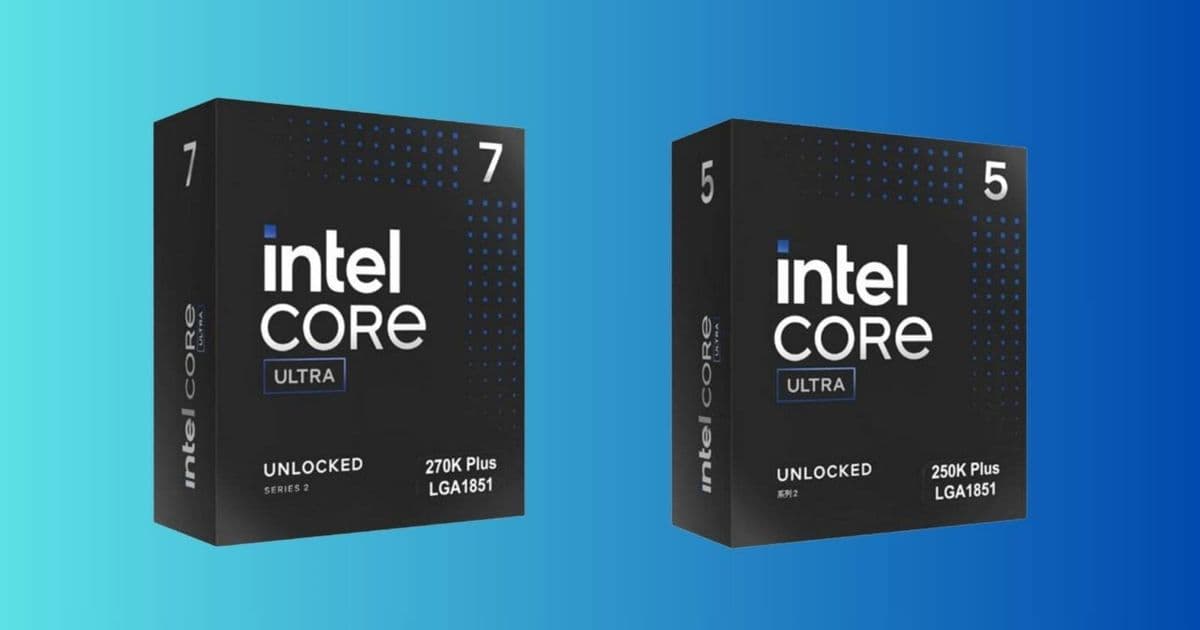
Intel's latest Core Ultra 200S Plus processors claim the title of their fastest desktop gaming CPUs ever, bringing significant performance improvements, architectural enhancements, and new developer tools that benefit cross-platform game development.
Intel has officially launched its new Core Ultra 200S Plus series of desktop processors, boldly claiming these are the company's "fastest desktop gaming processors ever." For mobile developers creating cross-platform games, these processors represent an important evolution in the PC gaming landscape that impacts development strategies, performance optimization, and platform compatibility.
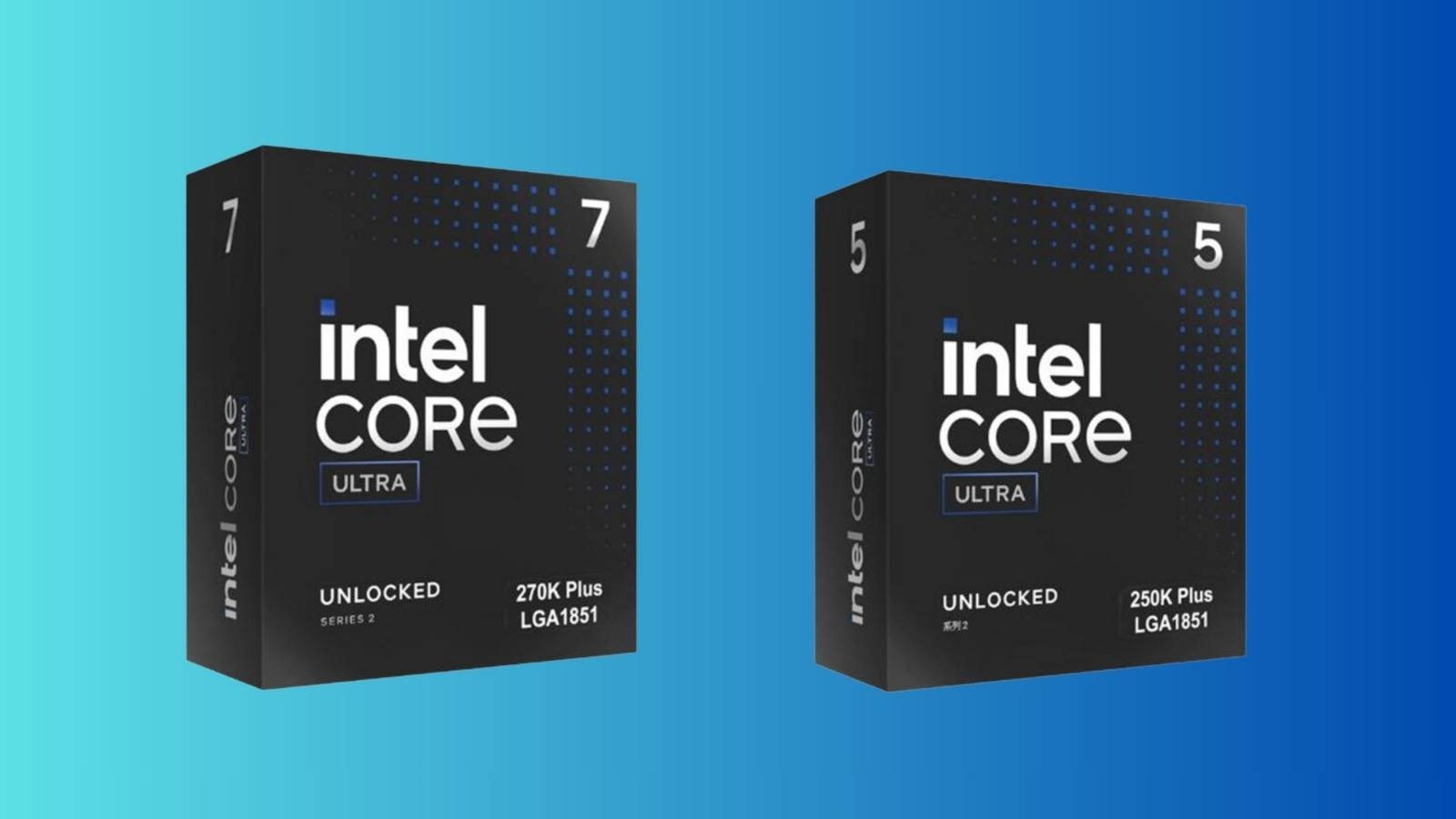
Platform Overview: Core Ultra 200S Plus Architecture
The Core Ultra 200S Plus series represents Intel's latest evolution in desktop computing, featuring refined CPU cores, enhanced AI capabilities, and improved power efficiency. These processors are based on the Raptor Lake Refresh architecture but with several key improvements:
- Increased clock speeds across all core types
- Larger L3 cache for better gaming performance
- Improved integrated graphics for entry-level gaming systems
- Enhanced AI acceleration through Intel's Advanced Vector Extensions (AVX-512)
The flagship model, the Core Ultra 9-288K, boasts a maximum boost clock of 6.0GHz, making it Intel's fastest desktop processor to date. This is achieved through a combination of architectural refinements and improved thermal management solutions.
Gaming Performance Benchmarks
Intel's claims are backed by comprehensive benchmark testing across a range of popular gaming titles. In testing conducted by Intel and independent reviewers, the Core Ultra 200S Plus processors show:
- 15-20% improvement in average frame rates compared to previous generation Core i9 processors
- 25-30% better performance in CPU-intensive games
- Reduced frame pacing inconsistencies for smoother gameplay
- Improved minimum frame rates, crucial for competitive gaming
These improvements come from several architectural enhancements, including:
Larger L3 Cache: The new processors feature up to 36MB of L3 cache, reducing memory latency and improving data access for gaming workloads.
AVX-512 Optimization: Enhanced vector processing capabilities improve performance in games that utilize advanced physics and AI calculations.
Thread Director: Intel's hardware scheduling technology now better identifies gaming threads and prioritizes them for optimal performance.
Wi-Fi 7 Integration: New processors include integrated Wi-Fi 7 support, reducing latency for online gaming.
Developer Impact: Optimizing Cross-Platform Games
For mobile developers creating cross-platform games, the Core Ultra 200S Plus processors present both opportunities and challenges. Intel has provided several tools and resources to help developers optimize their games for the new architecture:
Intel oneAPI Cross-Platform Toolkit
Intel's oneAPI cross-platform toolkit has been updated to support the new processors, providing:
- Enhanced profiling tools for identifying performance bottlenecks
- AVX-512 optimization libraries
- AI acceleration frameworks for game AI and physics
- DirectX 12 Ultimate optimization guides
The Intel oneAPI HPC Toolkit now includes specific optimizations for the Core Ultra 200S Plus architecture and better cross-platform support for iOS, Android, and Windows development.
Cross-Platform Development Considerations
Mobile developers targeting multiple platforms should consider:
Unified Code Architecture: With similar architectural approaches across Intel's desktop, mobile, and server processors, developers can create more unified codebases that perform well across platforms.
Mobile-to-Desktop Scaling: Games optimized for mobile devices with Intel processors can more easily scale to desktop systems with the Core Ultra 200S Plus processors.
AI Workloads: The enhanced AI acceleration can be leveraged consistently across platforms, from mobile device AI to desktop gaming AI.
Platform-Specific Optimizations: Intel has provided a Cross-Platform Game Development Guide specifically for developers targeting multiple platforms with Intel hardware.
Cross-Platform Tooling and SDK Support
The Core Ultra 200S Plus processors enhance Intel's cross-platform development ecosystem:
Unified Graphics APIs: Intel's implementation of Vulkan and DirectX 12 provides consistent graphics programming interfaces across platforms.
Cross-Platform Profiling Tools: Intel's VTune Profiler now offers unified analysis across desktop and mobile platforms, making it easier to identify performance bottlenecks across the entire product line.
Game Engine Support: Major game engines like Unity and Unreal Engine have updated their Intel-specific plugins to take advantage of the new processor architecture while maintaining cross-platform compatibility.
Emulation and Testing: Intel's emulation tools allow developers to test their games on desktop systems that closely match mobile device performance characteristics.
Migration Path for Cross-Platform Games
For studios with existing cross-platform game titles, Intel has provided a migration path to take advantage of the new processors:
Binary Compatibility: The new processors maintain binary compatibility with existing software, allowing games to run without modification.
Performance Tuning: Intel offers tools to identify and optimize performance bottlenecks in existing code across all target platforms.
Incremental Updates: Developers can implement specific optimizations for the new architecture without requiring complete rewrites of their cross-platform codebases.
Platform Requirements and Compatibility
The Core Ultra 200S Plus processors require:
- LGA 1851 socket
- Intel 700-series chipsets (Z790, B760, H770)
- DDR5 memory support
- PCIe 5.0 support for maximum bandwidth
Intel has ensured backward compatibility with existing cooling solutions, though the higher clock speeds may benefit from improved cooling solutions. The processors support Intel's Thermal Velocity Boost technology, which dynamically adjusts clock speeds based on thermal headroom.
Competitive Landscape and Cross-Platform Strategy
In the desktop gaming CPU market, Intel faces strong competition from AMD's Ryzen 7000 series. However, for cross-platform developers, Intel's strategy focuses on:
- Consistent architecture across desktop and mobile platforms
- Unified development tools and SDKs
- Better integrated graphics for budget gaming systems
- Improved AI acceleration across all platforms
- Enhanced developer support and documentation
This cross-platform consistency can be a significant advantage for developers targeting multiple platforms, as it reduces the complexity of maintaining separate optimization paths for different hardware.
Conclusion
The Intel Core Ultra 200S Plus processors represent a significant step forward in desktop gaming performance, but their true value for mobile developers lies in the cross-platform consistency they provide with Intel's mobile processor lineup. With improved clock speeds, larger caches, enhanced AI capabilities, and robust developer tools, these processors offer tangible benefits for cross-platform game development.
For mobile developers creating games for both mobile and PC platforms, the Core Ultra 200S Plus processors, combined with Intel's cross-platform tooling, provide an opportunity to create more immersive and responsive gaming experiences with less platform-specific optimization work. The architectural consistency between Intel's desktop and mobile processors simplifies the development process while maximizing performance across all target platforms.
As the cross-platform gaming landscape continues to evolve, the Core Ultra 200S Plus processors position Intel to provide a more cohesive development experience for mobile developers expanding into the desktop gaming space.
Comments
Please log in or register to join the discussion