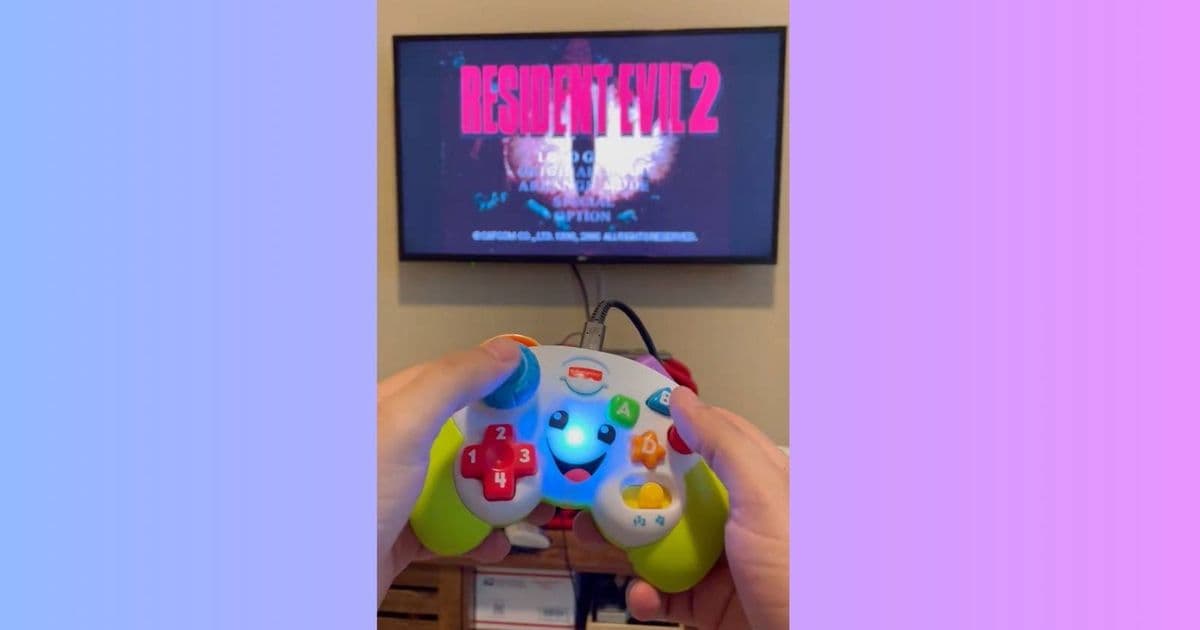
An open-source firmware project translates modern and unconventional controllers like the Fisher-Price Laugh & Learn for use with retro consoles.
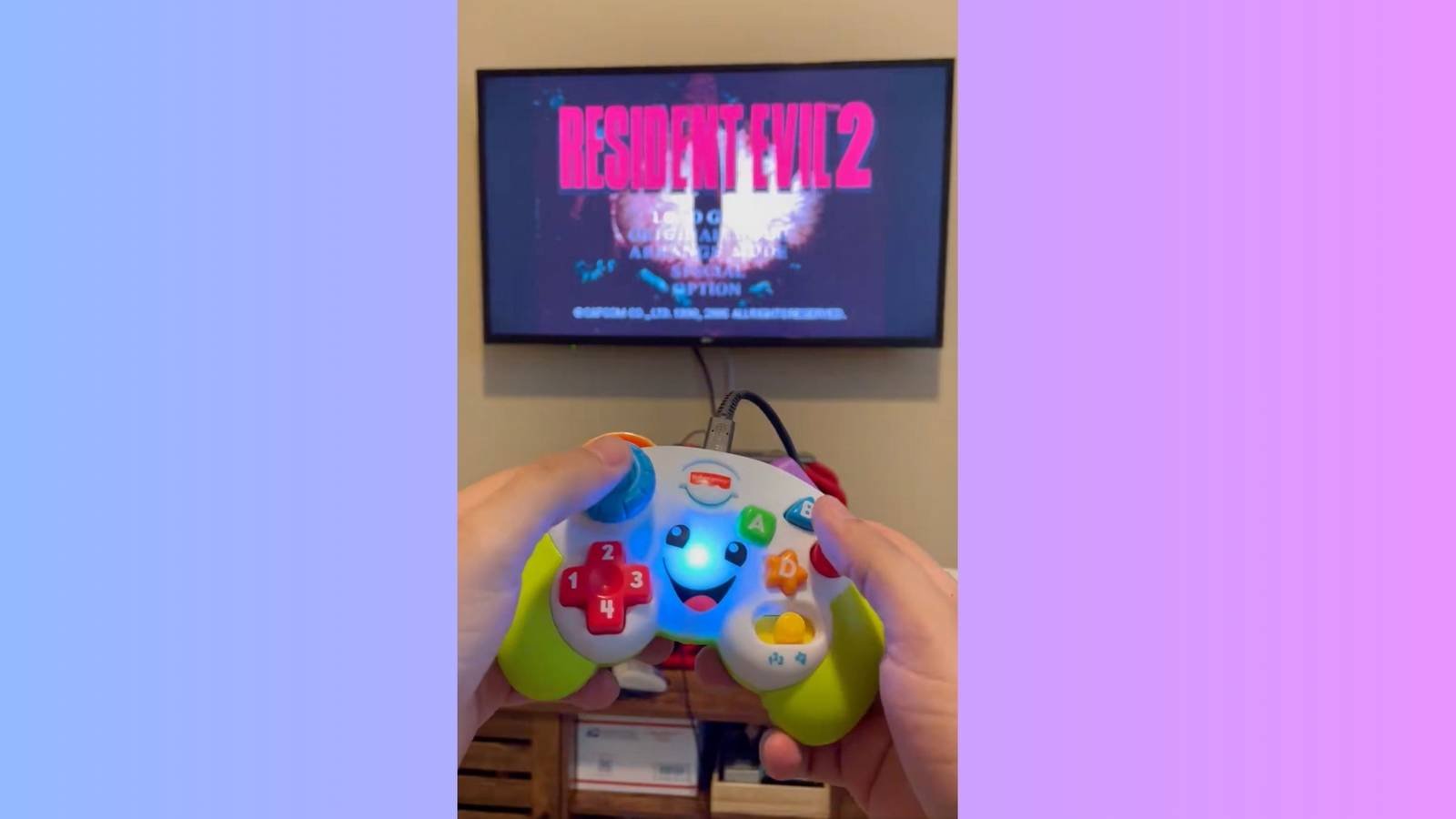
A new open-source project called Joypad OS enables gamers to repurpose virtually any controller—including unconventional devices like the Fisher-Price Laugh & Learn toy—for use with retro gaming consoles. Developed by programmer John Smith, this modular firmware acts as a universal translator between controllers and gaming hardware, supporting USB and Bluetooth input devices across multiple generations of consoles.
Core Capabilities
Joypad OS currently supports controllers from Xbox, PlayStation, and Nintendo ecosystems, along with niche devices like the Fisher-Price Laugh & Learn controller and various 8BitDo models. The firmware operates through hardware-agnostic input translation, meaning it can interpret control signals from diverse input devices and convert them into commands recognizable by legacy systems. This enables scenarios like:
- Using Nintendo Switch Joy-Cons with original GameCube hardware
- Connecting Xbox Series controllers to Sega Dreamcast
- Operating PlayStation DualSense controllers with Nintendo 64
Technical Implementation
The project's GitHub repository outlines three foundational pillars:
- Universal I/O Translation: Real-time conversion of controller signals between different protocols
- Modular Firmware Apps: Customizable components for specific console/controller pairings
- Hardware-Agnostic Base: Core functionality adaptable to various microcontrollers
Unconventional Use Cases
The Fisher-Price Laugh & Learn compatibility demonstrates Joypad OS's flexibility. Though this toy controller lacks visible USB ports, Smith modified units internally to interface with the translation layer. Demonstration videos show the colorful preschooler toy successfully controlling recompiled Dreamcast titles and Nintendo 64 emulators—a testament to the firmware's adaptability.
Availability and Development
As open-source software, Joypad OS invites community experimentation. Developers can download the firmware from the project's GitHub page for implementation on compatible microcontroller boards. Smith maintains ongoing development through his Patreon, where supporters receive early access to new controller profiles and console compatibility updates.
This project eliminates artificial barriers between controllers and gaming hardware, transforming nostalgic systems into versatile platforms capable of supporting modern—and delightfully absurd—input devices.
Comments
Please log in or register to join the discussion