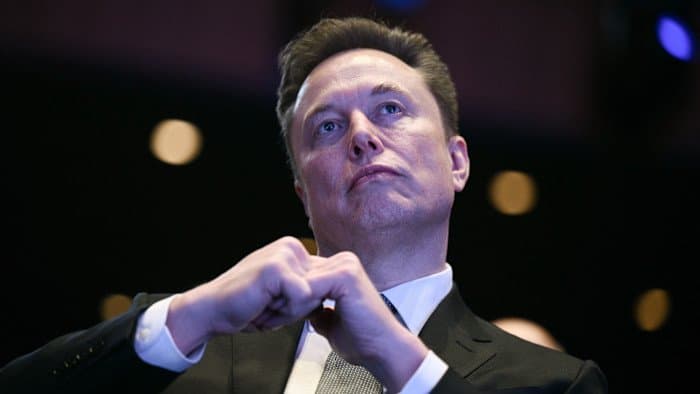
A US judge expressed skepticism about Elon Musk's massive $134 billion damages claim against OpenAI and Microsoft but ruled he can still present his case to a jury at an upcoming April trial.
A federal judge in California has cast doubt on Elon Musk's extraordinary $134 billion damages claim in his lawsuit against OpenAI and Microsoft, but ruled that the case can proceed to trial in April where a jury will ultimately decide.
The ruling, issued by Judge Yvonne Gonzalez Rogers in the Northern District of California, represents a significant development in one of the most high-profile tech legal battles of the year. While the judge questioned the validity of Musk's expert witness testimony supporting the massive damages figure, she declined to exclude it from the upcoming trial.
The $134 Billion Question
Musk's legal team had presented testimony from an expert witness who calculated that OpenAI's alleged breach of contract and fiduciary duty violations caused $134 billion in damages. The figure was based on projections of OpenAI's future value and Musk's claimed entitlement to a share of the company's success.
Judge Rogers expressed skepticism about the methodology used to arrive at this number, noting that it relied heavily on speculative future valuations and assumptions about what Musk would have received had he remained involved with OpenAI. The judge's questioning suggested she found the damages calculation to be overly ambitious and potentially disconnected from reality.
However, in a key decision, the judge ruled that excluding the testimony would be premature. "While I have serious questions about the reliability of this expert's methodology," Judge Rogers wrote in her order, "the appropriate time to evaluate the weight of this evidence is at trial, not through pretrial exclusion."
What's Actually at Stake
The lawsuit centers on Musk's claim that OpenAI violated an agreement to develop artificial intelligence for the benefit of humanity rather than for profit. Musk, who co-founded OpenAI in 2015 but left the organization in 2018, alleges that the company's partnership with Microsoft and its transition to a capped-profit model breached the original mission.
Legal experts watching the case note that the massive damages claim may be more of a negotiating tactic than a realistic expectation. "When you see numbers in the hundreds of billions, it's often about creating leverage," said Sarah Chen, a technology litigation attorney at Silicon Valley Law Group. "The actual jury verdict, if any, is likely to be far more modest."
The April Trial
The case is now set to proceed to a jury trial beginning in April. This means that despite the judge's skepticism, Musk will have the opportunity to present his full case to a jury of ordinary citizens who will ultimately decide whether OpenAI and Microsoft owe him any damages at all.
Microsoft, which has invested billions in OpenAI and integrated its technology into products like GitHub Copilot and Azure AI services, has maintained that the lawsuit lacks merit. The company has argued that OpenAI's capped-profit structure and partnership agreements are entirely legal and that Musk's claims are an attempt to slow down competitors in the AI race.
Broader Implications
The outcome of this case could have significant implications for the AI industry's business models. If Musk were to prevail, even with reduced damages, it might encourage other early tech founders to challenge the commercialization of AI research. Conversely, a decisive victory for OpenAI and Microsoft would validate the current trend toward corporate-backed AI development.
Industry observers also note that the case highlights the tension between idealistic founding missions and the commercial realities of developing cutting-edge technology. OpenAI's evolution from a non-profit research lab to a company valued at over $80 billion represents a common trajectory in the tech industry, but one that can create legal and ethical complications.
What Happens Next
As the April trial approaches, both sides are preparing for what could be a lengthy and complex legal battle. Legal experts expect the trial to feature testimony from AI researchers, business valuation experts, and potentially current and former OpenAI employees about the organization's founding agreements and subsequent evolution.
The judge's decision to allow the case to proceed despite her doubts about the damages claim suggests she believes there are legitimate questions about OpenAI's transition from its original mission that deserve a full hearing. Whether a jury will find those questions compelling enough to warrant billions in damages remains to be seen.
For now, the tech industry watches closely as one of its most prominent figures takes on two of its most powerful companies in a case that could reshape how AI development is governed and compensated.
Comments
Please log in or register to join the discussion