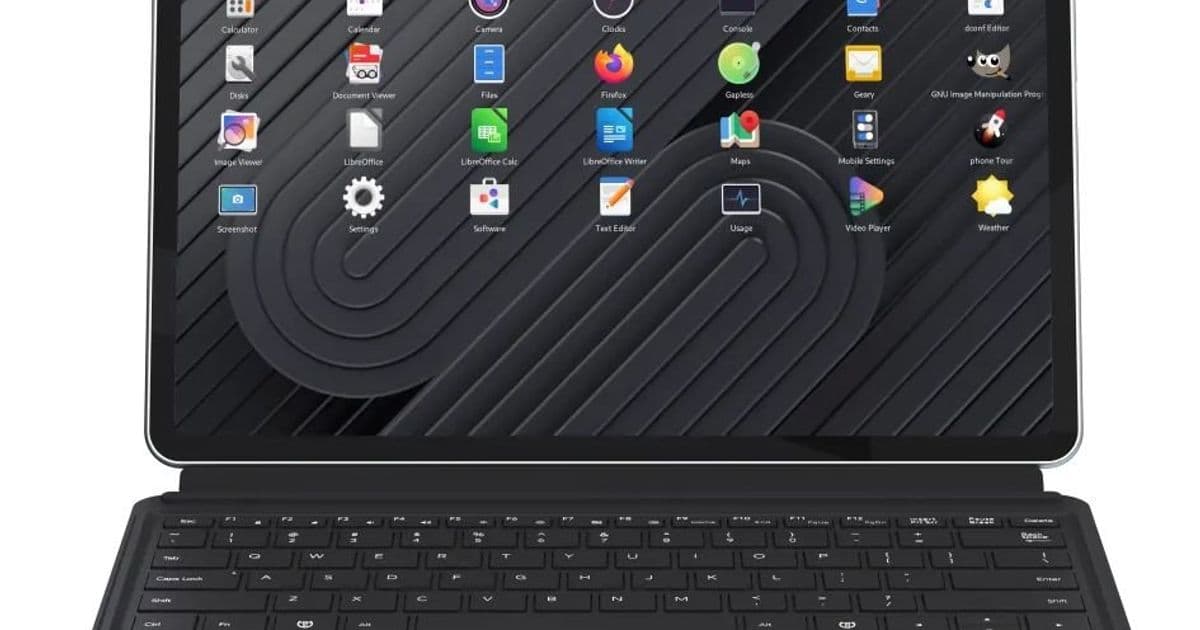
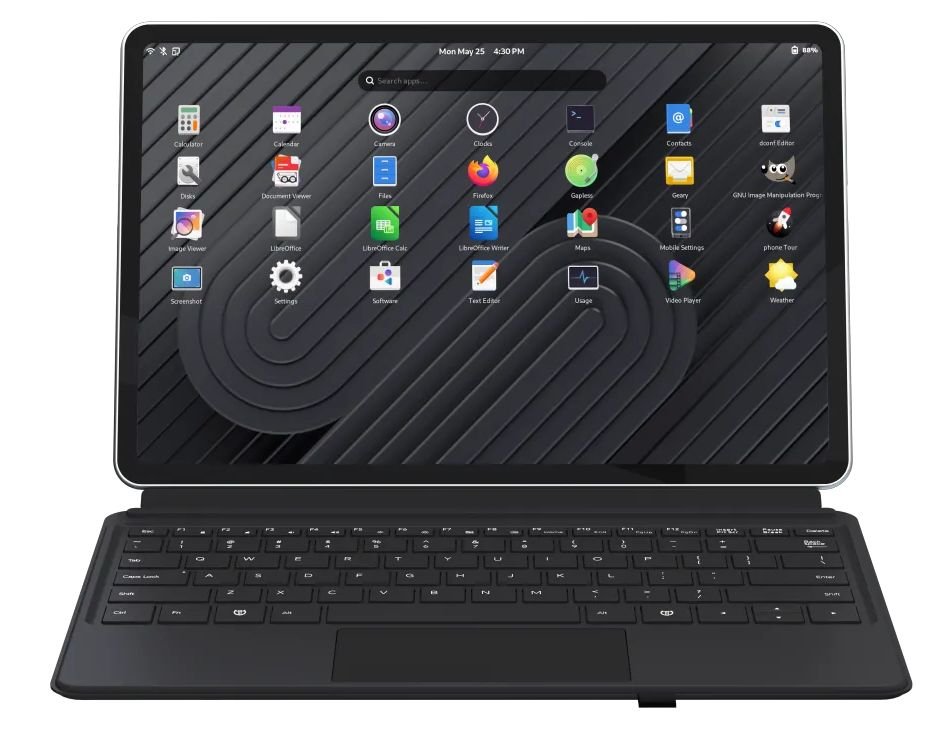
Juno Computers is back with two new Linux tablets for 2026: a fanless 10.5-inch LTE model built around an octa-core Alder Lake-N chip, and a 13-inch WiFi model that becomes the company's first tablet to ship with an Intel Core Ultra processor.
Juno Computers, the vendor that sells laptops, mini PCs, and tablets with Debian or Ubuntu pre-installed, has refreshed its tablet line with the Juno Tab 4. The company shipped its first Linux tablet back in 2022 and has iterated quietly since, but the 2026 models are the most significant jump so far. There are two of them, and they target genuinely different users rather than just splitting on screen size.
Two tablets, two very different chips
The Juno Tab 4 10.5″ LTE runs an Intel Core i3-N300, an Alder Lake-N part with 8 efficiency cores, 8 threads, a 3.8 GHz boost clock, and a 7W TDP. The larger Juno Tab 4 13″ steps up to an Intel Core Ultra 5 115U, a Meteor Lake chip with a hybrid layout: 2 performance cores, 4 efficiency cores, and 2 low-power efficiency cores, for 10 cores and 10 threads total at up to 4.2 GHz and a 15W TDP. This is the first Juno tablet with a Core Ultra processor. It is an entry-level Core Ultra that is a couple of years old at this point, but it still represents a real architectural step up from the N100 quad-core that powered the previous Juno Tab 3.
The performance gap is wide. The 10.5-inch model doubles the core count of the old N100 while staying in the same efficiency-focused architecture, and the 13-inch model moves to an entirely different class with proper P-cores and Intel's newer Xe graphics.
Specs that matter for daily use
The displays are a strong point on both. The 10.5-inch panel runs 1920 x 1280 at 60 Hz, while the 13.3-inch panel runs 2560 x 1600 at 60 Hz. Both hit 500 nits and support 10-point multitouch.
Here is how the two configurations compare on the rest of the hardware:
| Juno Tab 4 10.5″ LTE | Juno Tab 4 13″ | |
|---|---|---|
| Processor | Core i3-N300 (8 E-cores) | Core Ultra 5 115U (2P/4E/2LPE) |
| Graphics | Intel UHD, 32 EUs, 1.25 GHz | Intel Graphics, 3 Xe cores, 1.8 GHz |
| RAM | 12GB LPDDR5-4800 | 16GB LPDDR5-5600 |
| Storage | 1TB M.2 2242 SATA III | 1TB M.2 2280 PCIe 3.0 x4 NVMe |
| Wireless | WiFi 6 + BT 5.2, LTE Cat 4 + GPS | WiFi 6 + BT 5.2 |
| Battery | 29.6 Wh, 36W charging | 42.71 Wh, 65W charging |
| Cooling | Passive (fanless) | 2 fans |
| Weight | 590 g (1.3 lb) | 850 g (1.87 lb) |
The 10.5-inch model leans into portability and connectivity. Its Quectel EG25-G modem adds 4G LTE Cat 4 plus GPS/GNSS, which means it can do more than pull down cellular data. Juno says it can place phone calls and handle text messages, so it functions like an oversized smartphone in addition to a PC. The fanless metal chassis keeps it quiet. The trade-off is SATA storage instead of NVMe, and a microSD slot that doubles as the nano SIM tray, so you pick one or the other.
The 13-inch model is the workhorse. Faster NVMe storage, more and faster memory, Xe graphics that Juno suggests can manage some PC gaming, and a USB Type-A port alongside the two USB-C ports. The cost is a heavier magnesium-aluminum body and active cooling with two fans.
Why this matters if you build or run software on Linux
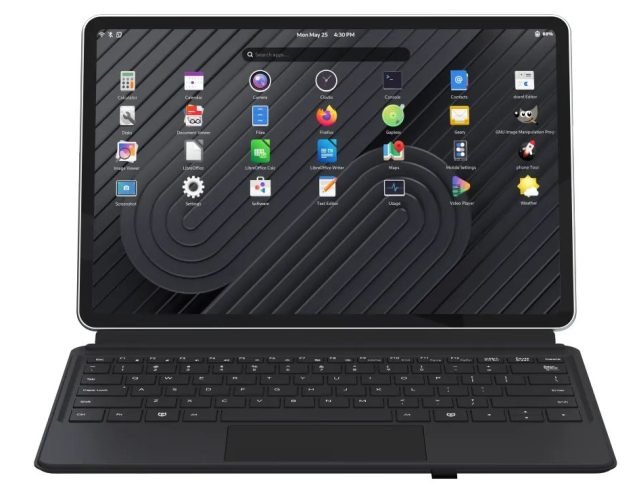
These are not Android tablets running a mobile fork. Both ship with a tablet-friendly interface layered on a full desktop Linux install, which means they run standard Linux applications, toolchains, and containers. For developers, that distinction is the whole point. You get a touch-first device that is still a real x86 Linux PC, so a cross-compilation setup, a local container runtime, or a full IDE all behave the way they would on a laptop. Both tablets ship with detachable backlit keyboards, so either one converts into a laptop-style workstation when you need to type.
That positioning fills a gap. Most touch hardware in this size class assumes a mobile OS and a sandboxed app model, which makes it awkward for anyone whose work depends on a POSIX userland and full filesystem access. A device that boots Debian or Ubuntu and accepts a keyboard sidesteps that problem entirely.
Availability and what is still unknown
Juno has not announced pricing yet. The full specifications are posted on the company's website, and review hardware is already in circulation. The Linux Stuff channel on YouTube has hands-on videos for both the 10.5-inch LTE and 13-inch versions if you want to see them running before committing.
The open question is value. Core Ultra 5 115U is capable but no longer current, and the LTE model's SATA storage is a noticeable concession. Pricing will decide whether these land as practical Linux machines or as niche curiosities, and that detail is the one Juno has not shared. For now, the hardware story is clear enough: a quiet, connected small tablet on one end, and a more powerful keyboard-equipped 13-inch Linux PC on the other.
via LinMob
Comments
Please log in or register to join the discussion