Scholars warn that the Law and Society Association’s decision to hold its 2027 annual meeting in Hong Kong could expose participants to legal risks under China’s national‑security law, prompting calls for a venue change.
The controversy
The Law and Society Association (LSA), a leading U.S. scholarly organization, announced that its 2027 annual meeting will take place in Hong Kong. Within days, dozens of members issued a joint statement expressing concern that the venue choice appears to legitimize Beijing’s national‑security law, which criminalises a broad range of political expression. The signatories argue that the law’s vague provisions on “secession,” “subversion” and “collusion with foreign forces” could be used to target foreign academics, their research topics, or even casual conversations at the conference.
Market and legal context
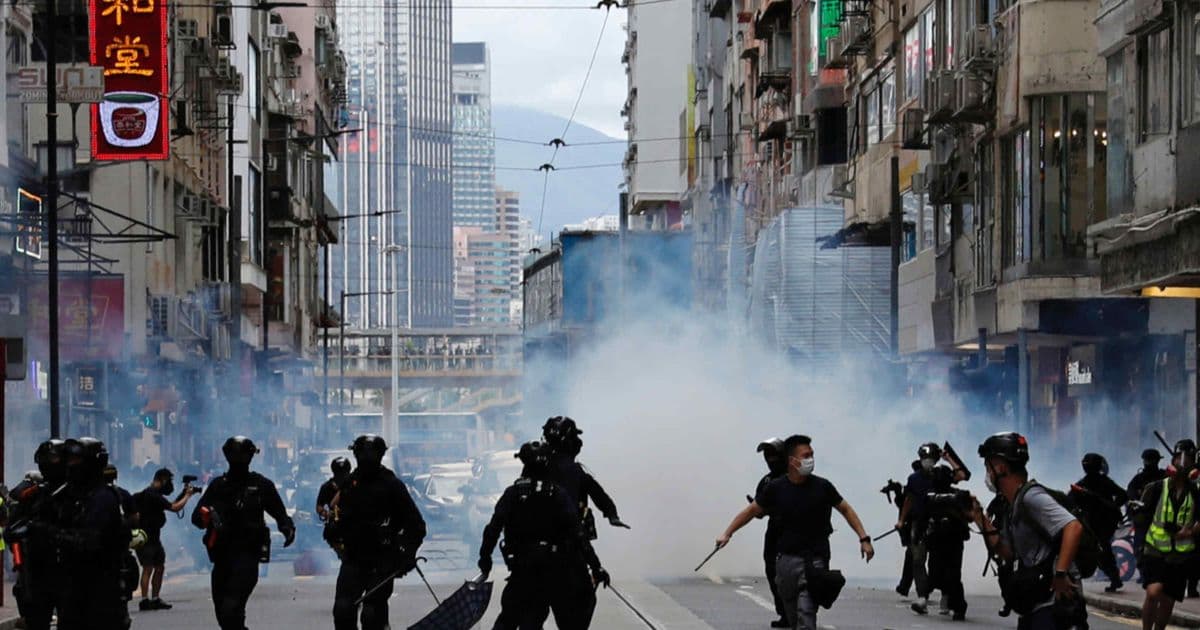
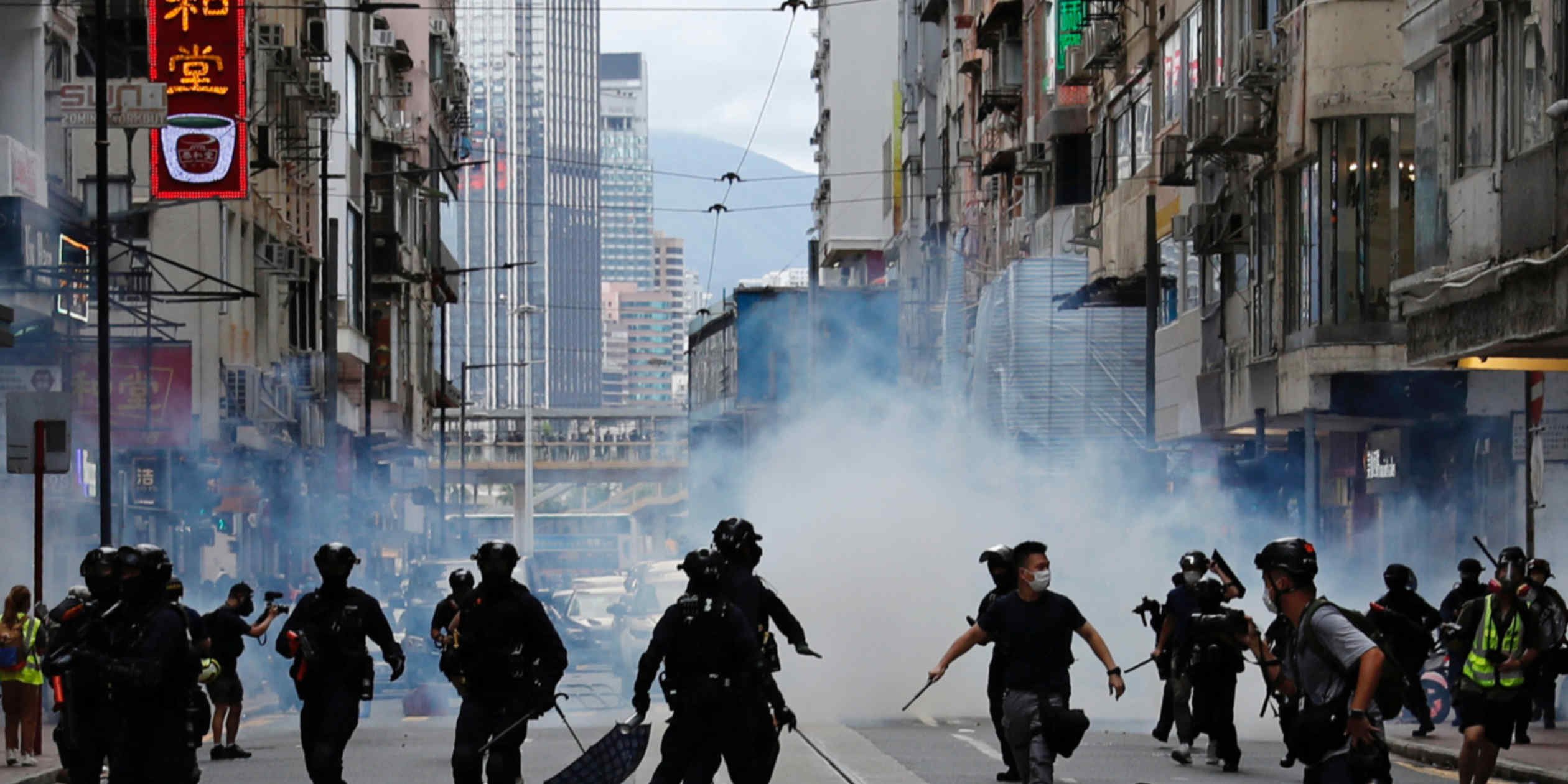
China imposed the national‑security law on Hong Kong in June 2020, shortly after the city’s hand‑over anniversary. Since then, several high‑profile cases have demonstrated the law’s reach: pro‑democracy activists have received sentences of up to ten years, and a handful of foreign journalists have been denied visas or expelled. The law also grants Hong Kong’s police broad powers to conduct searches, seize electronic devices, and detain individuals for “national‑security” investigations.
In the academic sector, the law has already led to self‑censorship. A 2024 report by the International Association of Universities documented a 27 % decline in Hong Kong‑based publications on topics such as civil liberties and China‑Hong Kong relations between 2021 and 2023. Universities in the city have revised contracts to include clauses allowing the administration to intervene if faculty research is deemed “politically sensitive.”
What it means for the LSA and the broader scholarly community
- Risk of legal exposure – Attendees who discuss or present research on Hong Kong’s political system could be flagged under the security law. Even informal networking could be interpreted as “collusion with foreign forces,” exposing scholars to investigations, travel bans, or asset freezes.
- Reputational pressure – Hosting the meeting in a jurisdiction where academic freedom is under state control may damage the LSA’s standing among its members and funders. Several university departments have already signaled they will not sponsor travel for faculty.
- Potential venue shift – The joint statement calls for the LSA Board to relocate the conference to a location with stronger protections for free expression. Similar pressure led the American Political Science Association to move its 2025 meeting from Beijing to Seoul after member protests.
- Funding implications – Some U.S. research grants now include compliance clauses that prohibit travel to regions where scholars could face punitive legal action. If the LSA proceeds with Hong Kong, participants may need to seek alternative financing or risk violating grant terms.
Strategic outlook
The LSA faces a decision point that will test its commitment to academic freedom versus its desire to maintain a global footprint. A venue change would align the association with recent trends among scholarly societies that prioritize member safety and freedom of inquiry. Conversely, proceeding with the Hong Kong meeting could set a precedent for other organizations to overlook human‑rights considerations in favor of geographic diversity.
Stakeholders—including university administrators, grant‑making bodies, and civil‑society groups—are likely to monitor the LSA’s response closely. The outcome will signal how the international academic community navigates the growing tension between global engagement and the legal realities imposed by authoritarian regimes.
Comments
Please log in or register to join the discussion