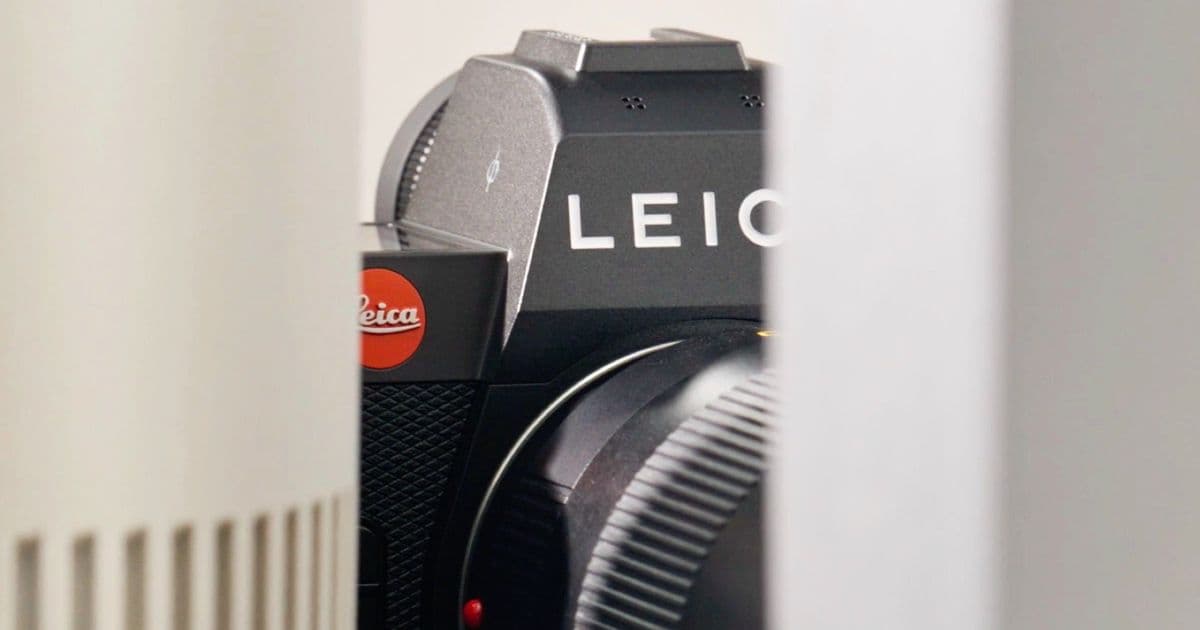
Leica’s upcoming SL3‑P slots between the 24 MP SL3‑S and the 60 MP SL3, borrowing the sensor and core architecture of Panasonic’s 2025 Lumix S1RII while adding Leica‑style ergonomics and a €5,900 price tag.
Leica SL3‑P announced: 44 MP full‑frame body built on Panasonic’s S1RII platform
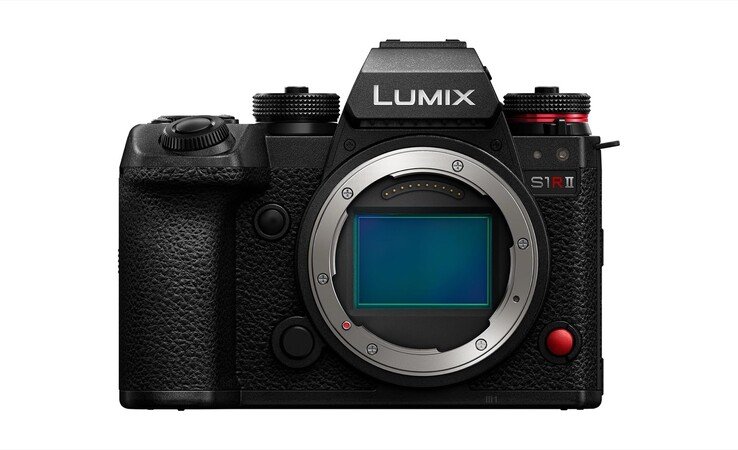
Leica’s next full‑frame offering, the SL3‑P, is set to appear in June 2026 with a suggested retail price of €5,900. The camera will feature a 44‑megapixel sensor, placing it squarely between the SL3‑S (24 MP, €5,190) and the flagship SL3 (60 MP, €6,990). What makes the SL3‑P noteworthy is that it does not reuse the chassis of the earlier SL3 models; instead, Leica has chosen the Panasonic Lumix S1RII as its technical foundation.
What’s new?
- 44 MP full‑frame sensor – a step up from the SL3‑S and a step down from the 60 MP SL3, offering a balance of resolution and file‑size management.
- Autofocus improvements – Leica claims a faster AF system than the SL3‑S, likely inheriting the Dual‑Pixel AF engine from the S1RII.
- Leica‑styled menu and controls – the UI is expected to follow Leica’s minimalist philosophy while retaining the underlying Panasonic firmware.
- Video downgrade – early reports suggest the SL3‑P will not match the SL3’s video specs; expect 4K 30 fps rather than the 6K 30 fps found in the top model.
How it compares
| Feature | Leica SL3‑S | Leica SL3‑P | Leica SL3 | Panasonic Lumix S1RII |
|---|---|---|---|---|
| Sensor resolution | 24 MP | 44 MP | 60 MP | 47 MP |
| Price (EUR) | 5,190 | 5,900 | 6,990 | 5,300 (approx.) |
| AF system | Contrast‑based | Dual‑Pixel (Panasonic) | Dual‑Pixel + AI | Dual‑Pixel (Panasonic) |
| Video | 4K 60 fps | 4K 30 fps | 6K 30 fps | 4K 60 fps |
| Body material | Magnesium alloy | Magnesium alloy with Leica finish | Magnesium alloy | Magnesium alloy |
The SL3‑P inherits the 47 MP sensor of the S1RII but is marketed as a 44 MP unit after Leica’s pixel‑binning algorithm, which reduces noise at high ISO. In practice, the image quality should be very close to the Panasonic original, especially in terms of dynamic range and low‑light performance.
Pricing perspective
Leica’s €5,900 price tag represents roughly a 12 % premium over the S1RII’s European MSRP (about €5,300). The premium covers Leica’s custom firmware, DNG‑only RAW output, and the brand cache that Leica commands. For photographers who value the Leica aesthetic and the DNG workflow, the extra cost may be justified; for those who simply need a high‑resolution full‑frame, the S1RII remains a more economical choice.
Who should consider the SL3‑P?
- Professional still photographers who need a high‑resolution sensor without the bulk of a 60 MP file pipeline.
- Leica loyalists who prefer the brand’s ergonomics, viewfinder design, and colour science while accepting a higher price.
- Hybrid shooters who prioritize stills over video, as the SL3‑P’s video specs lag behind the SL3 and the S1RII.
Conversely, videographers, studio shooters who demand the utmost resolution, or budget‑conscious buyers will likely look elsewhere.
Technical notes on the Panasonic base
The Lumix S1RII, launched in February 2025, introduced a 47‑MP BSI CMOS sensor, a high‑speed dual‑pixel AF system, and a 5‑axis in‑body image stabilisation rated up to 6 EV. Leica’s adaptation is expected to retain the stabilisation module, which is a major advantage over the older SL3‑S. The S1RII also supports 10‑bit internal recording and RAW video, features that may be stripped out in the Leica version to keep the focus on stills.
Outlook
If Leica follows its usual rollout cadence, the SL3‑P will be announced at a dedicated event in early June, with pre‑orders opening shortly thereafter. Benchmarks will likely mirror the S1RII’s performance: ISO 100‑6400 native, dynamic range around 14.5 EV, and burst rates of up to 12 fps with the electronic shutter.
The key question remains how Leica will defend the €5,900 price against a Panasonic that offers almost identical specs for less. The answer will hinge on brand perception, the DNG workflow, and perhaps subtle tweaks to colour rendering that Leica users love.
Comments
Please log in or register to join the discussion