
Lenovo’s new Lecoo‑branded Air 13, Air 14 and Air 15 laptops, built on Intel’s Wildcat Lake processors, bring thin‑and‑light designs, high‑refresh displays and competitive specs to the Chinese market, hinting at a broader global rollout under the IdeaPad banner.
Lenovo has rolled out three new Lecoo‑branded laptops in China that aim to undercut Apple’s recently announced MacBook Neo on price while offering comparable performance and premium features. All three machines are powered by Intel’s 12th‑gen “Wildcat Lake” silicon, a low‑power, 10‑nm family that promises desktop‑class cores in a notebook‑friendly thermal envelope.
What’s new
| Model | CPU | RAM | Storage | Display | Thickness | Weight | Power envelope |
|---|---|---|---|---|---|---|---|
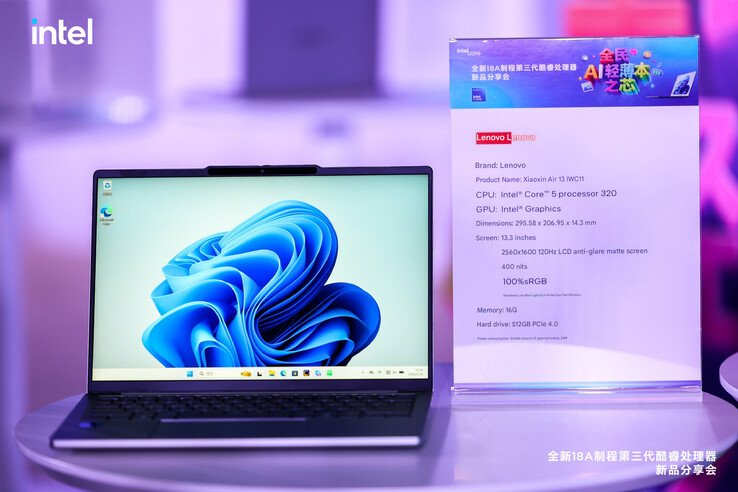
| Air 13 | Intel Core i5‑320 (mid‑range Wildcat Lake) | 16 GB | 512 GB PCIe 4.0 SSD | 13.3" IPS, 2560×1600, 120 Hz, 100 % sRGB, 400 nit, anti‑glare | 14.3 mm | 1.14 kg | ~24 W |
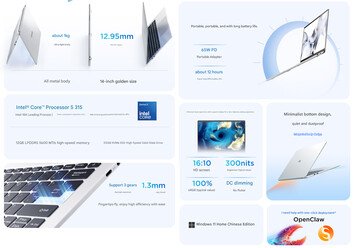
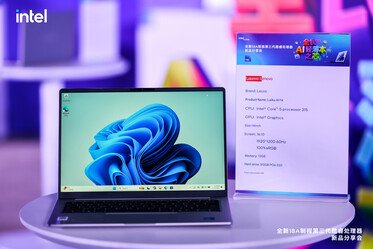
| Air 14 | Intel Core i5‑315 (slightly lower‑tier) | 12 GB | 512 GB PCIe 4.0 SSD | 14" IPS, 1920×1200, 60 Hz, 300 nit, matte | 12.95 mm | 1.0 kg | ~15 W |
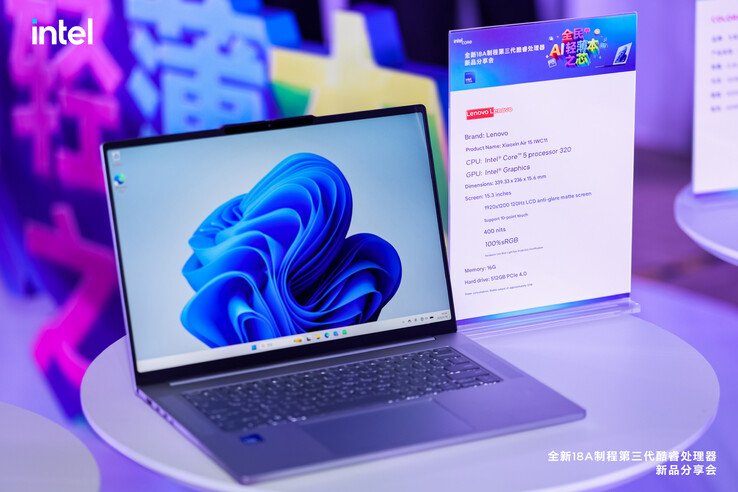
| Air 15 | Intel Core i5‑320 | 16 GB | 512 GB PCIe 4.0 SSD | 15.3" IPS, 1920×1200, 60 Hz, 100 % sRGB, 400 nit | 15.6 mm | 1.45 kg | ~27 W |

The Air 13 is the flagship of the trio, packing a high‑resolution 2560×1600 panel that runs at 120 Hz. Lenovo markets the screen as an anti‑glare matte panel with full sRGB coverage and a peak brightness of 400 nits—still a step below the MacBook Neo’s Liquid Retina display, which tops out at 500 nits and supports P3 color. However, the Air 13’s 120 Hz refresh rate gives it a smoother feel for scrolling and light gaming, something the Neo’s 60 Hz panel lacks.
The Air 14 trades raw performance for ultra‑thin ergonomics. At just 12.95 mm thick and a kilogram in weight, it is the slimmest of the three. Its Core i5‑315 chip draws only about 15 W under typical workloads, which should translate to excellent battery life on a modest 50 Wh cell (exact capacity not disclosed). The trade‑off is a 60 Hz, 300‑nit display that feels more like a budget ultrabook panel.
The Air 15 mirrors the Air 13’s internals but expands the screen real‑estate to 15.3 inches. The resolution drops to 1920×1200, which is still respectable for productivity, and the refresh rate stays at 60 Hz. The slightly larger chassis (15.6 mm) and higher power draw (~27 W) suggest a modest increase in thermals, but the laptop remains thin enough for a portable workstation.
How they compare to the MacBook Neo and previous Lenovo offerings
- Processor – Apple’s Neo uses the M3‑Pro chip, which delivers strong single‑core performance and tight integration with macOS. Intel’s Wildcat Lake i5‑320 sits a tier below the M3‑Pro in synthetic benchmarks but offers a familiar x86 environment, making it a better fit for Windows‑centric workflows and legacy software.
- Display – The Neo’s 13.3‑inch 2560×1664 Liquid Retina panel hits 500 nits and supports the wider P3 gamut. Lenovo’s Air 13 matches the resolution and exceeds the Neo on refresh rate, but its color gamut is limited to sRGB. The Air 14 and Air 15 use lower‑resolution, 60 Hz panels that fall behind the Neo in both brightness and color depth.
- Memory & Storage – The Neo caps at 8 GB of unified memory, while the Lecoo Air models start at 12 GB (Air 14) and go up to 16 GB DDR5 in the 13‑ and 15‑inch variants. All three laptops ship with a PCIe 4.0 512 GB SSD, which is faster than the Neo’s base PCIe 3.0 drive.
- Weight & Thickness – The Neo weighs 1.24 kg and is 12.5 mm thick. The Air 14 is lighter (1 kg) and thinner (12.95 mm), while the Air 13 is slightly heavier (1.14 kg) and thicker (14.3 mm). The Air 15 sits at 1.45 kg and 15.6 mm, comparable to many 15‑inch Windows ultrabooks.
- Battery & Power – Lenovo advertises a modest 24 W power envelope for the Air 13 and 27 W for the Air 15, which should keep thermals in check but may result in lower sustained performance under heavy loads compared to the Neo’s 30‑W‑class M3‑Pro. The Air 14’s 15 W draw is the most power‑efficient, promising longer unplugged sessions.
- Pricing – Lenovo has not released official pricing, but the positioning as “affordable MacBook Neo alternatives” suggests a launch range of ¥5,999–¥8,999 (≈ US$850–$1,300), undercutting the Neo’s starting price of about US$1,299.
Who should consider a Lecoo Air laptop
- Students and mobile professionals who need a Windows machine with a high‑refresh display for note‑taking, video playback and light creative work will find the Air 13 a compelling mix of performance and visual fluidity.
- Travel‑heavy users who prioritize weight and battery life above raw screen specs should look at the Air 14. Its sub‑13 mm profile and 15 W power draw make it the most portable of the group.
- Content creators on a budget who want a larger canvas for multi‑window workflows may gravitate toward the Air 15, which offers the same CPU and RAM as the Air 13 but with a more comfortable 15‑inch screen.
If you are already invested in the Apple ecosystem, the Neo still holds advantages in software integration and display quality. However, for anyone needing a Windows environment, the Lecoo Air series delivers a balanced package of modern Intel silicon, ample RAM, fast storage and a range of form factors that directly challenge Apple’s pricing strategy.
Availability
Pre‑orders for all three models open in China on May 26, 2026 via Lenovo’s official Weibo channel. Global distribution has not been confirmed, but Lenovo hints that the devices may appear under the IdeaPad brand outside of China, potentially expanding the lineup to Europe and North America later in the year.
Sources: Lenovo Weibo announcement, official product pages, Apple MacBook Neo specifications.
Comments
Please log in or register to join the discussion