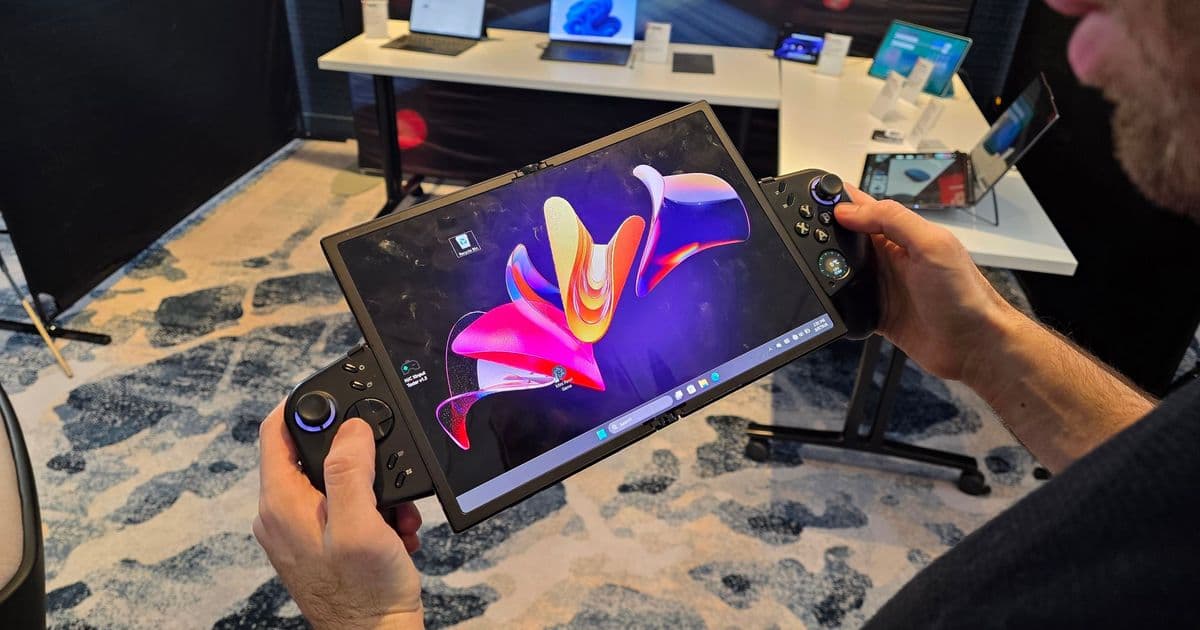
Lenovo unveils a concept gaming handheld with a foldable POLED screen that expands from 7.7 to 11.6 inches, offering four distinct usage modes including handheld, dual-screen, laptop, and tabletop configurations.
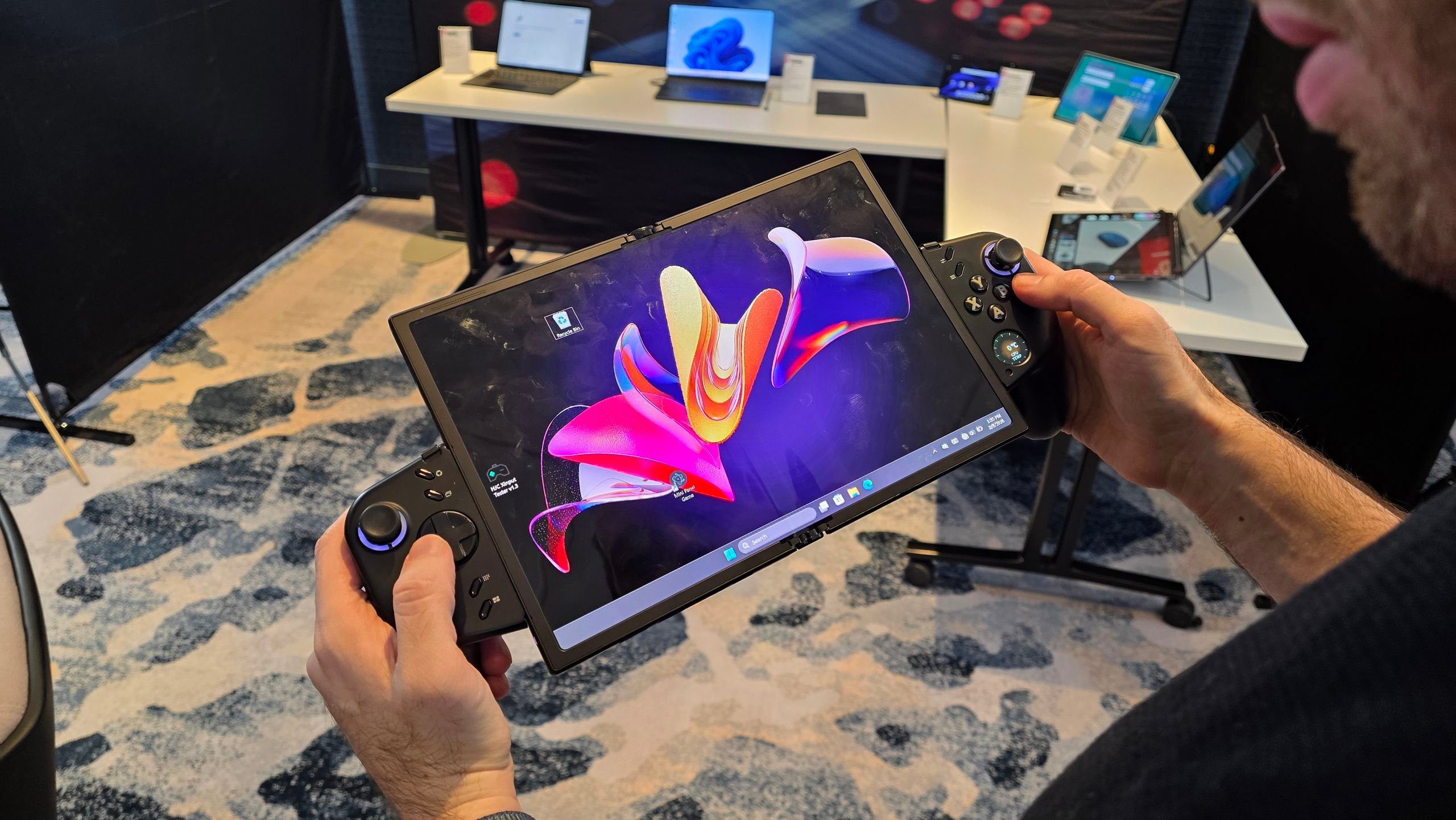
Lenovo has unveiled its Legion Go Fold Concept, a revolutionary gaming handheld that transforms from a compact 7.7-inch device into an expansive 11.6-inch gaming platform through a foldable POLED display. The prototype, which we examined firsthand before its MWC 2026 announcement, represents a significant leap in portable gaming hardware design.
Four Distinct Usage Modes
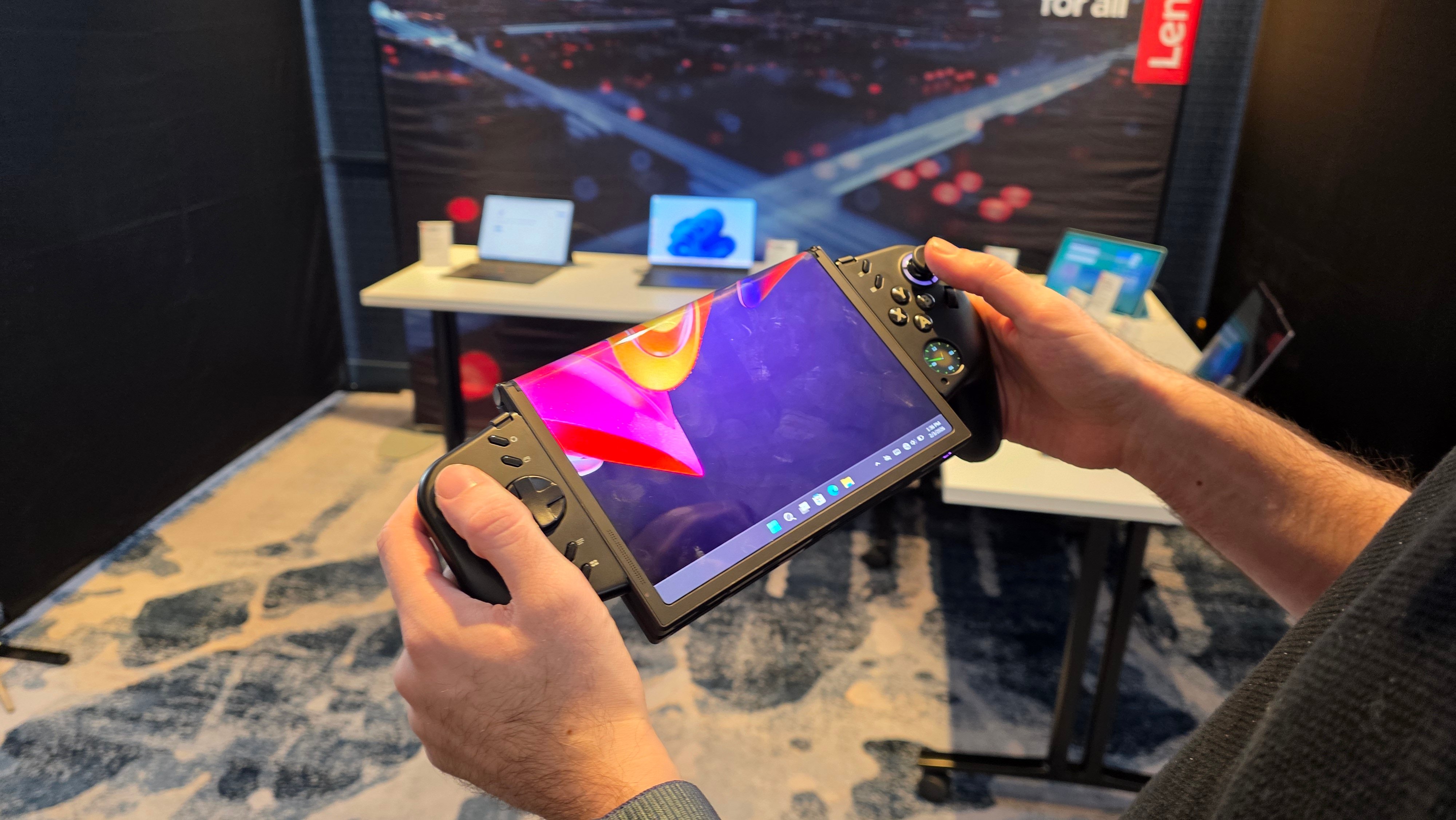
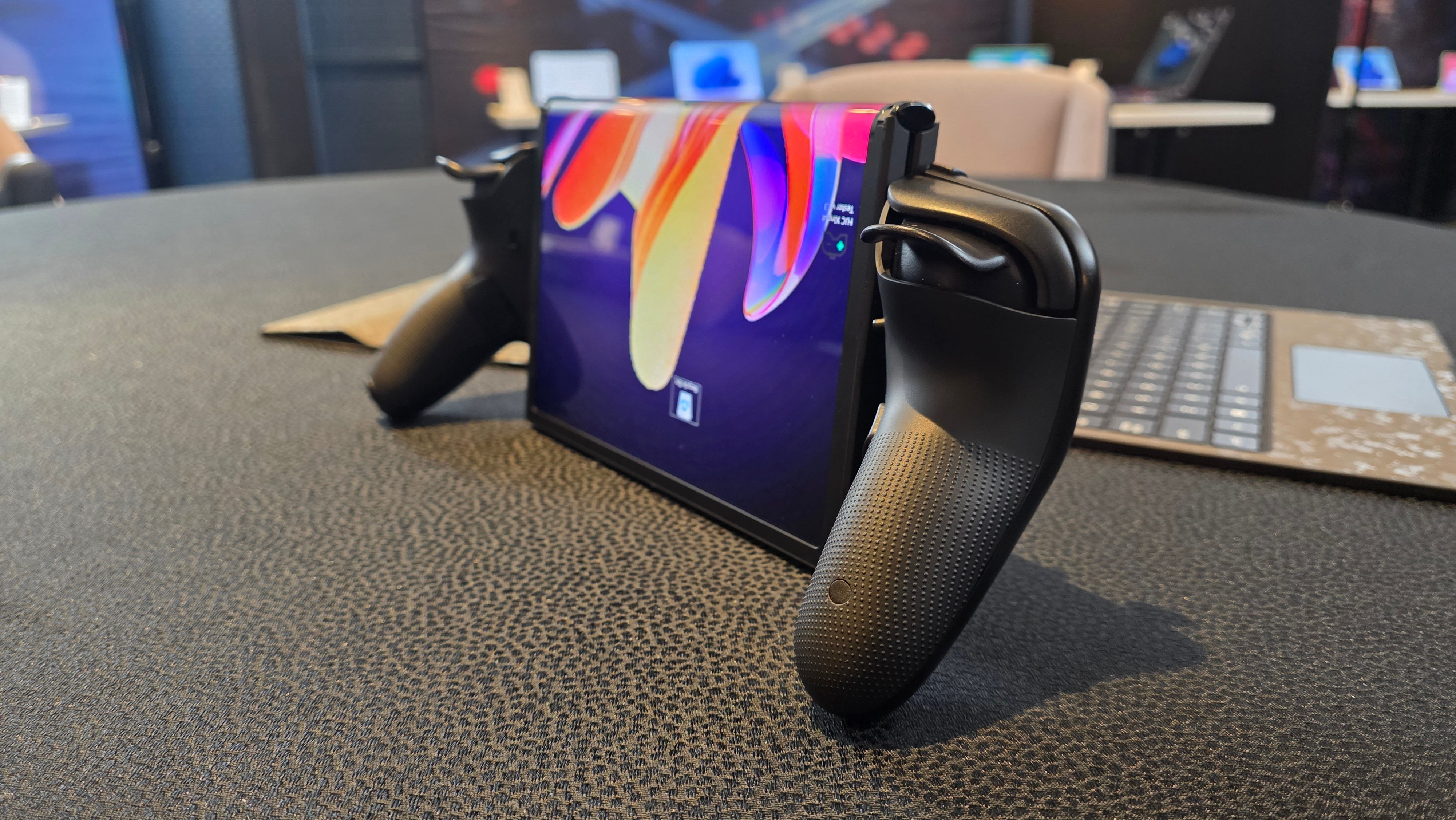
The concept's most compelling feature is its versatility across four different screen configurations. In its default state, the device operates as a 7.7-inch handheld with the display folded in half, making it significantly more portable than Lenovo's existing Legion Go lineup. The screen can then be folded vertically, creating a dual-screen setup where users can run game guides, YouTube walkthroughs, or chat applications alongside their primary game.
By unfolding the display and rotating it 90 degrees, users access a "horizon" full-screen mode that utilizes the entire 11.6-inch panel. The fourth configuration pairs the device with a wireless keyboard, transforming it into a Microsoft Surface-like laptop that provides full Windows 11 functionality with mouse and keyboard support.
Technical Specifications
Under the hood, the Legion Go Fold Concept packs impressive hardware for its size:
- Processor: Intel Core Ultra 7 258V "Lunar Lake" chip
- Graphics: Intel Arc 140V (integrated)
- Memory: 32GB LPDDR5x-8533 RAM
- Storage: 1TB PCIe Gen 4 SSD (2242 form factor)
- Display: 11.6-inch POLED, 2435 x 1712 resolution, 16:10 aspect ratio, 165Hz refresh rate, touch-enabled
- Battery: 48 Whr capacity
- Weight: 868 grams total (638 grams for main unit + 230 grams for controllers)
The controllers themselves are remarkably lightweight at just 230 grams each, though they currently feel somewhat toy-like in construction. A notable addition is the inclusion of trigger stops, which should appeal to competitive gamers seeking precise control.
Innovative Controller Design
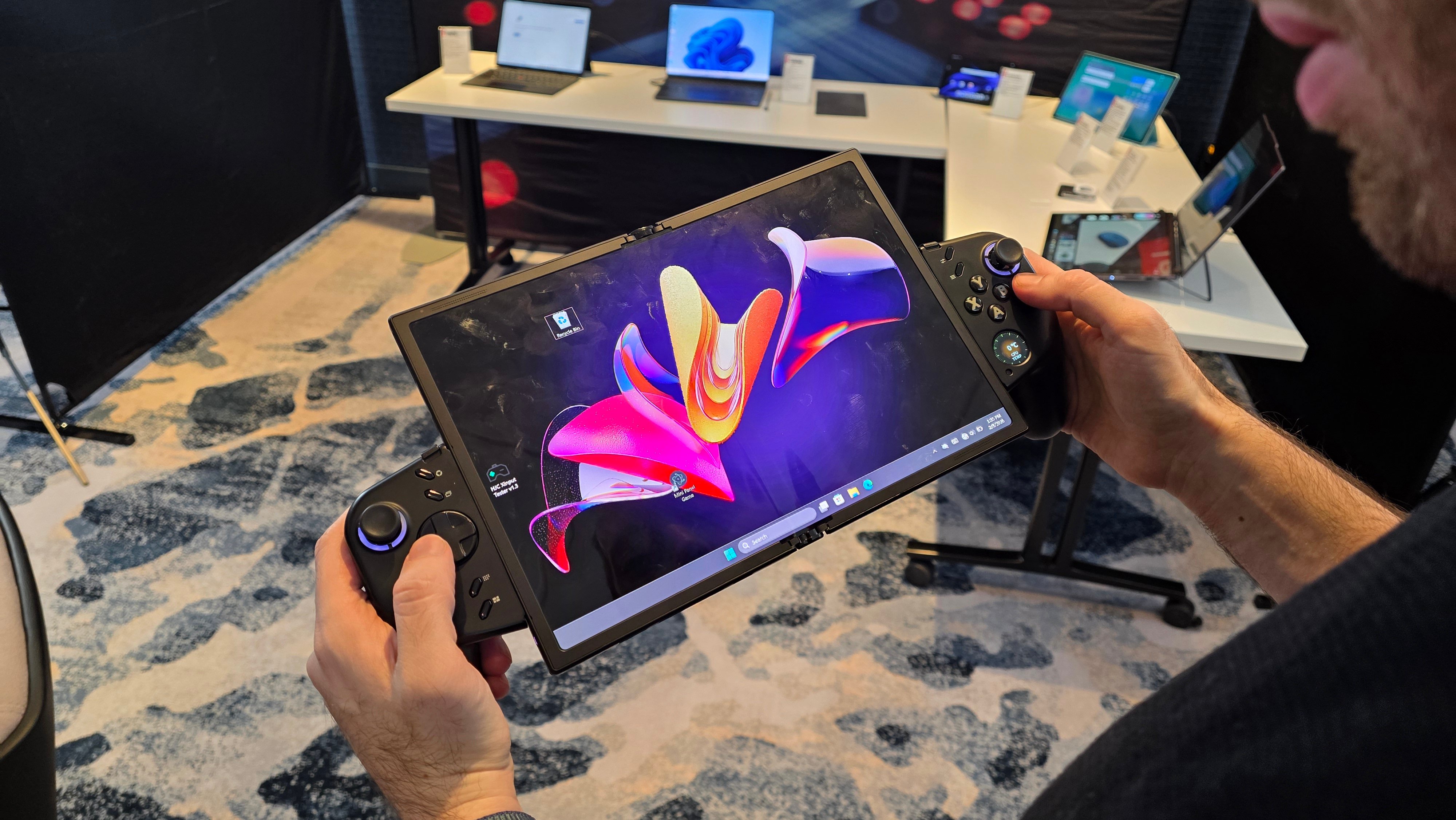
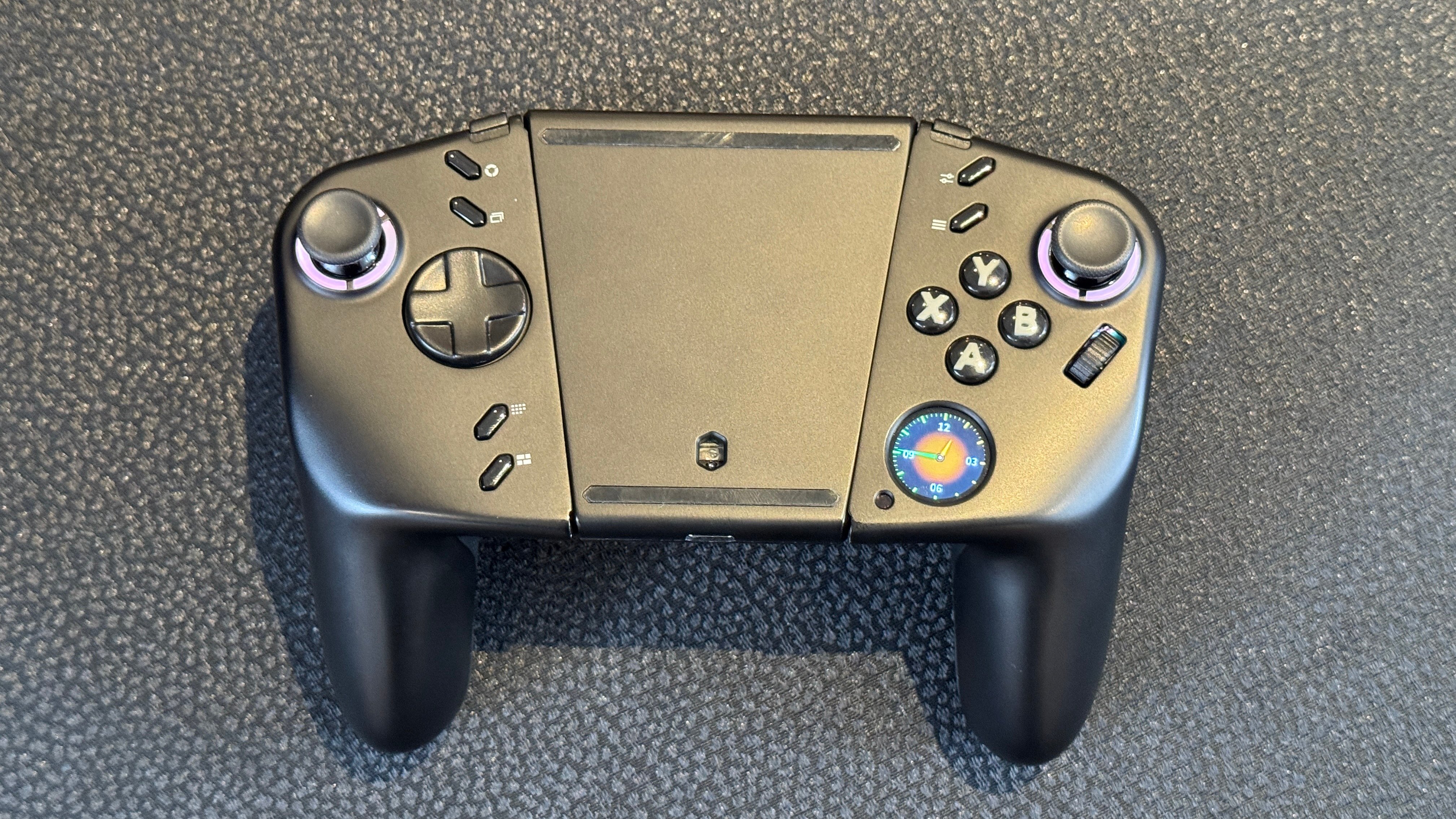
Lenovo has reimagined controller functionality for this concept. The controllers can attach to all four sides of the device, providing flexibility across different usage modes. For the first time, Lenovo includes a plastic bridge that connects the two controllers when detached from the main unit, mimicking the functionality of Nintendo Switch Joy-Cons.
The right controller features a small secondary screen displaying time and basic information, though its practical utility remains questionable. More importantly, the right controller functions as a vertical mouse when used with the keyboard configuration, enabling standard first-person shooter controls in laptop mode.
Software and Usability Considerations
During our hands-on testing, several software limitations became apparent. The prototype wouldn't run Lego Star Wars: The Skywalker Saga in anything other than full-screen, vertical orientation, suggesting the software isn't yet optimized for the various screen configurations. This mirrors issues seen with Lenovo's ThinkBook Plus Gen 6 Rollable, which also lacked resolution and orientation adjustment capabilities.
Setting up the wireless keyboard proved somewhat challenging, though other testers found the laptop conversion concept appealing for productivity tasks between gaming sessions.
Build Quality and Durability Concerns
While the hinge mechanism feels solid when closed, the open configuration exhibits noticeable floppiness that could be problematic for a device intended for frequent folding, unfolding, and rotation. The plastic OLED display faces outward when folded, which makes sense for the intended functionality but raises durability concerns for users who might employ the device as their primary computing tool throughout the day.
The current prototype's construction suggests Lenovo needs to enhance structural rigidity if it moves toward production. The lightweight controllers, while impressive from a weight perspective, contribute to an overall feeling of fragility that may not inspire confidence in a premium gaming device.
Market Position and Future Potential
Lenovo has been actively experimenting with flexible display technology, having previously released two generations of the ThinkPad X1 Fold and brought the ThinkBook Plus Gen 6 Rollable concept to market. The Legion Go Fold Concept represents the company's continued exploration of how foldable and rollable displays can enhance gaming experiences.
No pricing or release timeline has been announced for the concept. However, the technology demonstrates clear potential for transforming portable gaming, particularly for users who value versatility and want a single device that can serve multiple computing needs throughout their day.
Industry Context
The Legion Go Fold Concept arrives as gaming handhelds gain mainstream popularity, with devices like the Steam Deck and various Windows-based alternatives carving out significant market share. Lenovo's approach differs by focusing on display flexibility rather than raw processing power, potentially appealing to users who prioritize screen real estate and multi-functionality over maximum performance.
As flexible display technology continues maturing and manufacturing costs decrease, concepts like the Legion Go Fold could transition from prototypes to practical consumer products, fundamentally altering expectations for portable gaming hardware.
The concept represents Lenovo's latest innovation in gaming hardware, following its rollable Legion Pro concept that featured a screen extending sideways. Whether the Legion Go Fold or its rollable counterpart reaches store shelves remains to be seen, but both demonstrate the company's commitment to pushing the boundaries of what gaming handhelds can achieve.
Comments
Please log in or register to join the discussion