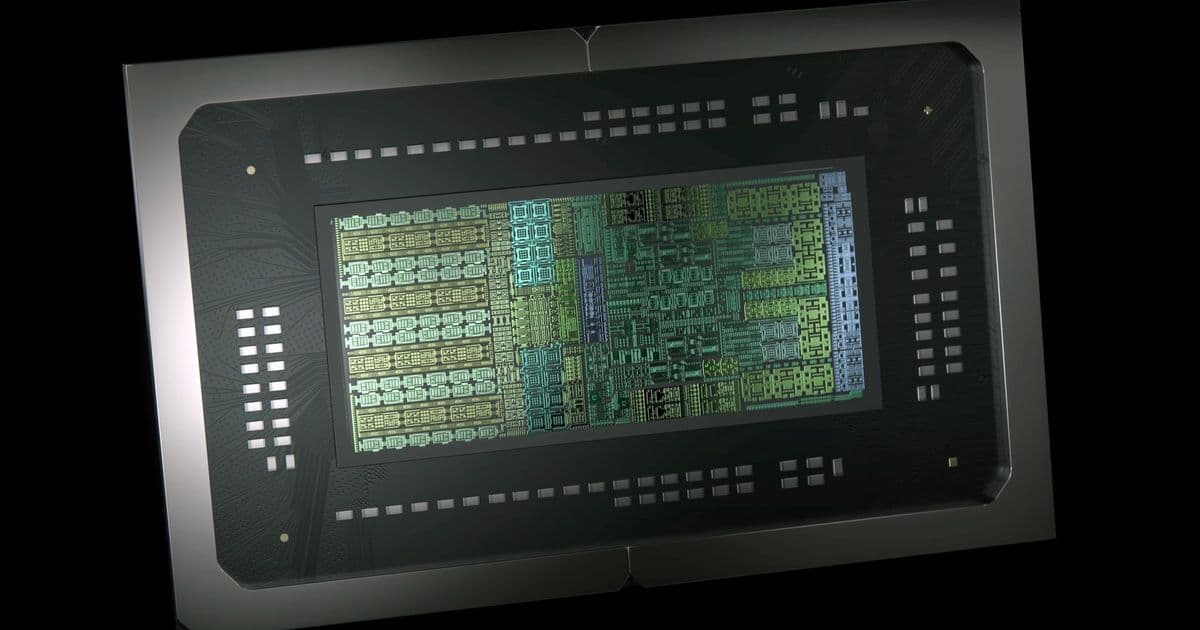
A detailed leak from Videocardz reveals two Nvidia N1 family chips – the 12‑core N1 and the 20‑core N1X – with PCIe 5.0, up to 128 GB LPDDR5X, and power envelopes from 18 W to 80 W, positioning Nvidia back in the laptop/compact‑PC market.
Nvidia prepares to unveil the N1 family at Computex
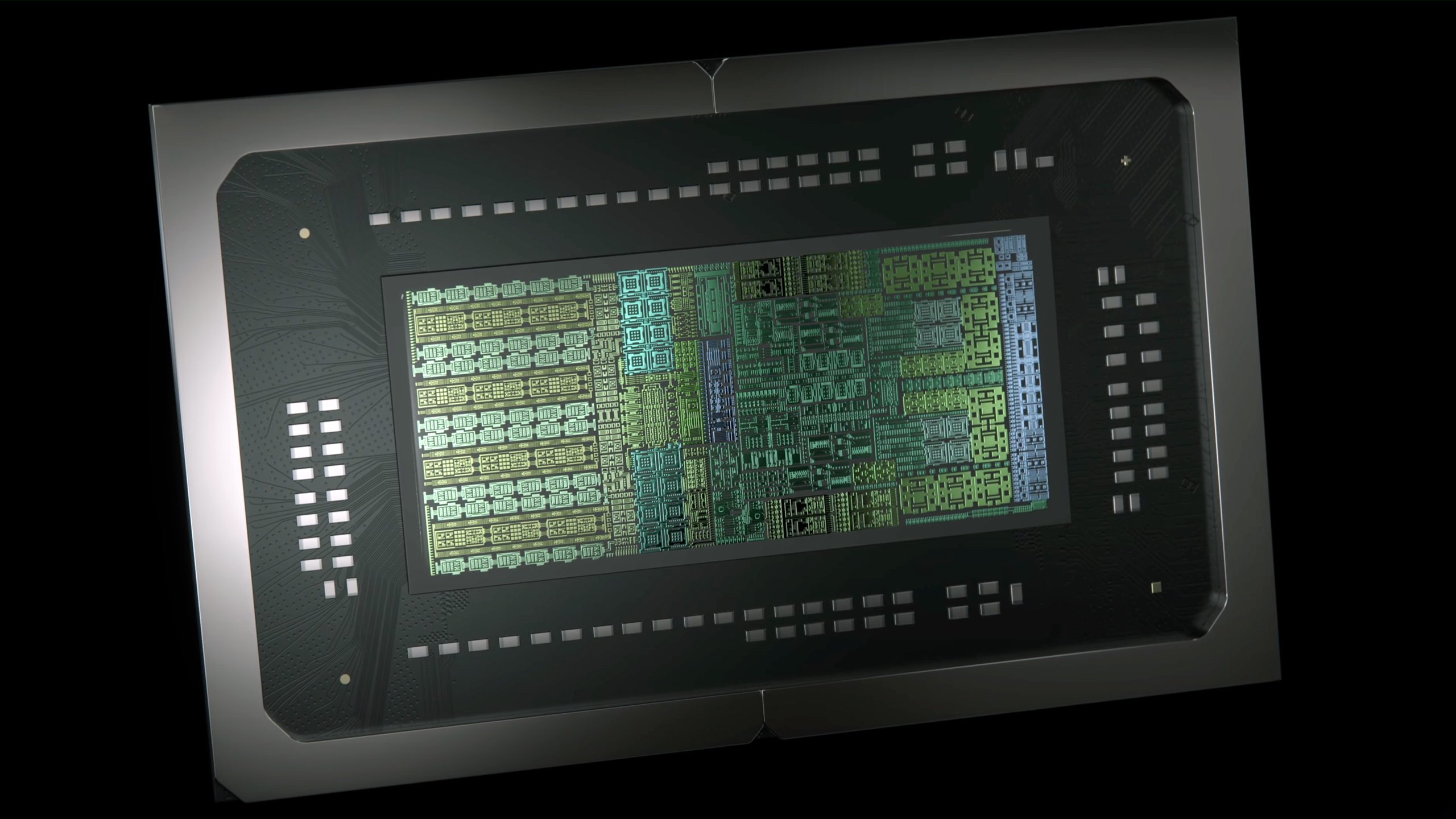 Nvidia is set to roll out its first ARM‑based system‑on‑chip (SoC) for thin‑and‑light PCs at Computex, a move that could reshape the high‑performance laptop segment. The leak, sourced from a set of internal documents dated early 2024 and published by Videocardz, outlines two product lines – the standard N1 and the performance‑focused N1X – each offered in two core configurations.
Technical specifications
N1 – mainstream configuration
| Config | CPU cores (big+little) | CUDA cores | PCIe lanes | Max RAM | TDP |
|---|---|---|---|---|---|
| N1‑12 | 8 + 4 | 2,560 | 8 × PCIe 5.0 + 3 × PCIe 4.0 | 8 GB‑64 GB LPDDR5X (8 channels) | 18 W‑45 W |
| N1‑10 | 7 + 3 | 2,048 | 8 × PCIe 5.0 + 3 × PCIe 4.0 | 8 GB‑64 GB LPDDR5X (8 channels) | 18 W‑45 W |
| Both variants support up to two M.2 SSDs and expose a total of 11 PCIe lanes that can be allocated to storage, networking, or external GPUs. |
N1X – high‑end configuration
| Config | CPU cores (big+little) | CUDA cores | PCIe lanes | Max RAM | TDP |
|---|---|---|---|---|---|
| N1X‑20 | 10 + 10 | 6,144 | 12 × PCIe 5.0 + 5 × PCIe 4.0 | 16 GB‑128 GB LPDDR5X (16 channels) | 45 W‑80 W |
| N1X‑18 | 9 + 9 | 5,120 | 12 × PCIe 5.0 + 5 × PCIe 4.0 | 16 GB‑128 GB LPDDR5X (16 channels) | 45 W‑80 W |
| The N1X line mirrors the GB10 die used in Nvidia’s DGX Spark mini‑PC, confirming that the same silicon will power both workstation‑class and consumer devices. Memory speed rumors point to 8,533 MT/s, which would outpace AMD’s recent Strix Halo platform. |
How the architecture stacks up
- CPU layout – Nvidia adopts a big‑little ARM design, similar to Apple’s M‑series. The 10‑core “big” cluster runs at a higher clock (estimated 2.8‑3.0 GHz) while the 4‑ or 3‑core “little” cluster handles background tasks, improving power efficiency.
- CUDA core count – 2,560 CUDA cores on the N1 places it between the RTX 4050 and RTX 4060 mobile GPUs, while 6,144 cores on the N1X line up with the desktop RTX 5070, suggesting desktop‑class rasterisation and AI acceleration in a 45‑80 W envelope.
- PCIe bandwidth – 12 × PCIe 5.0 lanes deliver up to 64 GB/s of raw bandwidth, enough for dual‑NVMe 4.0 ×4 SSDs or an external GPU enclosure without throttling.
- Memory capacity – 128 GB across 16 channels is unprecedented for a laptop‑class SoC. Even the 64 GB limit on the N1 would outstrip most current ARM laptops.
Market implications
- Re‑entry into the laptop arena – Nvidia last attempted an ARM PC chip in 2011 (the Tegra‑K1). The N1 family, with its high‑end GPU block, directly challenges AMD’s Ryzen 7000U/7000H and Intel’s Meteor Lake platforms, while also competing with Apple’s M2‑Pro/M2‑Max line‑up.
- Pricing tiers – The leaked TDP ranges suggest a two‑tier pricing model: the 18‑45 W N1 likely targets sub‑$1,500 ultrabooks, whereas the 45‑80 W N1X could be positioned above $2,000, rivaling the 14‑inch MacBook Pro with M2‑Pro.
- Supply‑chain timing – The specs arrive amid a global DRAM shortage. Nvidia’s reliance on LPDDR5X may strain OEMs, especially for the 128 GB configuration. However, Nvidia’s close ties with TSMC (5nm N5P node) could smooth wafer availability compared with Intel’s recent yield challenges.
- Ecosystem impact – Nvidia’s CUDA ecosystem will become available on ARM‑based laptops, potentially accelerating AI‑centric workloads (e.g., on‑device inference) that currently rely on x86 GPUs or Apple’s Metal.
- Handheld and OEM opportunities – The power envelope of 45‑80 W fits well within compact desktop‑class mini‑PCs (e.g., Shield TV successors) and high‑performance handhelds, opening a new product class for OEMs that need GPU‑heavy compute in a small form factor.
Outlook
If the leaked numbers hold, the N1/N1X lineup will be the most powerful ARM‑based laptop platform on the market at launch. Nvidia’s ability to ship the chips on schedule will depend on TSMC’s 5nm capacity and the availability of high‑speed LPDDR5X. Assuming a Q4 2024 production start, we could see the first OEM reference designs – likely a thin‑and‑light notebook and a compact workstation – by early 2025.
For the full set of leaked specifications, see the original Videocardz report here.
Comments
Please log in or register to join the discussion