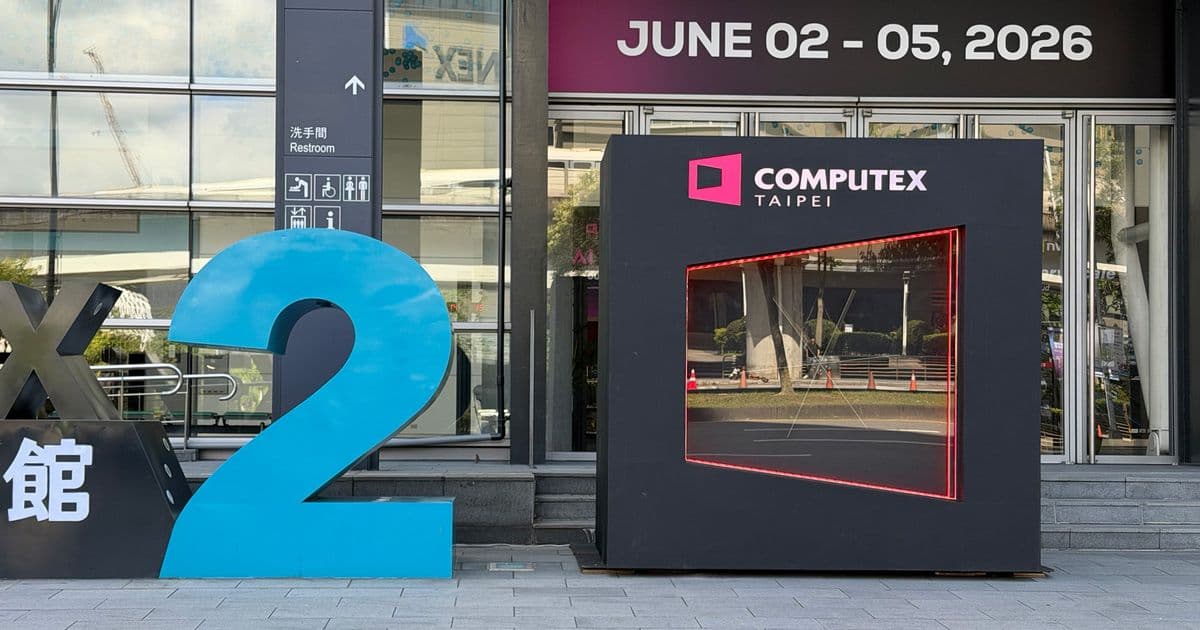
Qualcomm CEO Cristiano Amon outlines the company's expanded AI ecosystem strategy at Computex 2026, focusing on client computing, IoT, and robotics while maintaining a cautious approach to data center expansion.
Qualcomm's Computex 2026 keynote, themed 'The Year of Agents,' marks a significant strategic pivot from the company's previous PC-centric messaging to a broader AI-focused ecosystem. CEO Cristiano Amon presented a vision where AI agents permeate across device categories, from personal computing to industrial applications, while positioning Qualcomm as a key enabler in this emerging landscape.
The Strategic Shift: From PC to AI Ecosystem
Unlike previous years where Qualcomm highlighted PC-specific innovations, this keynote deliberately avoided deep dives into data center hardware despite the company's known ambitions in this space. Amon explicitly stated, "I will not be talking about the data center in any significant capacity in this keynote," signaling a measured approach to a market where Qualcomm has faced challenges with products like the Cloud AI 100 series.
This strategic restraint reflects a calculated positioning in an AI market increasingly dominated by specialized hardware vendors. Rather than competing head-on in the data center accelerator space, Qualcomm appears to be focusing on adjacent markets where its system-level expertise and integration capabilities provide competitive advantages.
Client Computing: Snapdragon X2 Platform Expansion
The keynote highlighted the ongoing rollout of Qualcomm's Snapdragon X2 Elite platform in laptops, with systems now shipping to consumers. This represents a significant milestone for Qualcomm's PC ambitions, featuring substantial CPU and GPU architectural improvements over previous generations.
More importantly, Qualcomm is executing a tiered strategy with cascading hardware capabilities:
- Snapdragon X2 Elite: Flagship performance for premium laptops
- Snapdragon X2 Plus: Mid-range variants announced at CES 2026
- Snapdragon C: Ultra-budget chips targeting $300 laptop segment
The Snapdragon C announcement, made days prior to Computex, reveals Qualcomm's strategy to capture the entry-level PC market. While technical specifications remain undisclosed, industry patterns suggest this may utilize recycled/rebadged previous-generation silicon produced on mature process nodes, enabling aggressive pricing while maintaining adequate performance for basic computing tasks.
Dragonwing: Qualcomm's IoT and Robotics Ambitions
A notable mention of Qualcomm's Dragonwing brand underscores the company's ambitions in IoT, embedded systems, and robotics. This product line represents Qualcomm's direct challenge to NVIDIA's dominance in edge AI and robotics computing.
The Dragonwing ecosystem likely incorporates:
- Specialized AI accelerators for edge inference
- Power-optimized CPU cores for embedded workloads
- Integrated connectivity solutions (5G/6G, Wi-Fi 7)
- Real-time processing capabilities for robotics applications
This positioning positions Qualcomm against NVIDIA's Jetson platform, with potential advantages in system integration and power efficiency for battery-powered applications. The competitive landscape in this segment will be critical to watch, as robotics represents one of the fastest-growing application areas for AI hardware.
The Agents Architecture: Beyond Traditional Computing
The 'Year of Agents' theme reflects Qualcomm's vision for AI that operates more autonomously across devices. Rather than requiring explicit user commands, these agents would:
- Understand context and user preferences
- Anticipate needs based on usage patterns
- Coordinate across multiple device types
- Maintain privacy through on-device processing
This architectural shift requires hardware that can support:
- Continuous background AI processing
- Low-power inference capabilities
- Enhanced security features for sensitive data
- Seamless connectivity between devices
Qualcomm's advantage lies in its portfolio across device categories, enabling potential integration of AI agents across smartphones, PCs, IoT devices, and automotive systems.
Manufacturing and Process Technology Considerations
Qualcomm's hardware strategy remains closely tied to TSMC's process technology, with the Snapdragon X2 series likely manufactured on TSMC's N3E or N2 processes. This provides:
- Performance advantages over competing architectures
- Power efficiency critical for mobile and battery-powered devices
- Integration capabilities for complex system-on-chip designs
The company's ability to leverage advanced manufacturing while maintaining cost sensitivity for budget segments will be a key differentiator in the AI hardware market.
Competitive Positioning in the AI Hardware Landscape
Qualcomm's Computex presentation reveals a nuanced approach to the AI hardware market:
- Client Computing: Direct competition with Intel and AMD in laptops, leveraging integration advantages
- Edge AI/Robotics: Challenge to NVIDIA in specialized AI hardware for embedded applications
- Data Center: Measured approach with limited public positioning, suggesting either strategic retreat or preparation for next-generation products
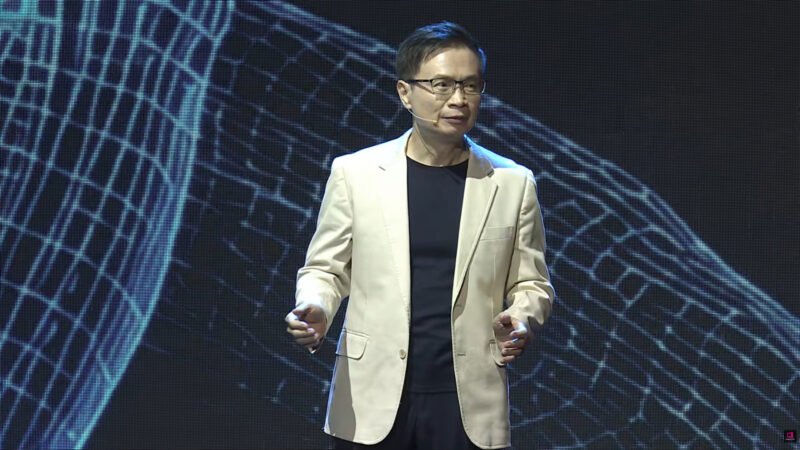
The timing of this keynote, following NVIDIA's presentation by just an hour, creates inevitable comparisons. While both companies emphasize AI agents, their approaches differ fundamentally:
- NVIDIA focuses on accelerated computing and data center infrastructure
- Qualcomm emphasizes integration across device categories and power efficiency
Market Implications and Future Outlook
Qualcomm's strategy suggests several market trends:
- Convergence of device categories: AI agents operating across smartphones, PCs, and IoT
- Privacy-preserving AI: Emphasis on on-device processing to reduce cloud dependency
- Specialization in edge computing: Growth in AI hardware beyond traditional data centers
- Cost democratization: Expansion of AI capabilities to budget device segments
The Snapdragon C launch in particular signals Qualcomm's intent to make AI capabilities accessible across price points, potentially accelerating adoption in emerging markets and education segments.
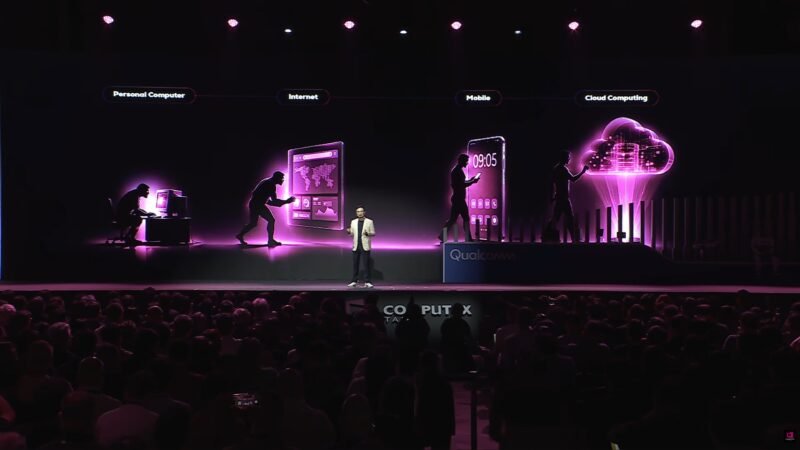
For enterprise customers, Qualcomm's integrated approach offers potential advantages in deploying consistent AI experiences across device fleets while maintaining security and reducing cloud dependency. However, the company will need to demonstrate clear performance advantages over traditional x86 architectures in productivity workloads to gain significant enterprise adoption.
Conclusion: A Calculated AI Strategy
Qualcomm's Computex 2026 presentation reveals a company strategically positioning itself across multiple AI hardware segments while avoiding direct confrontation in markets where it lacks competitive advantages. The 'Year of Agents' theme represents both a marketing message and a technical vision for more autonomous, context-aware AI systems.
The company's success will depend on execution across several dimensions:
- Demonstrating clear performance advantages in client computing
- Building a competitive robotics/IoT ecosystem to challenge NVIDIA
- Developing differentiated AI agent capabilities beyond what competitors offer
- Maintaining cost competitiveness across product tiers
As AI continues to evolve from cloud-centric to distributed, device-based architectures, Qualcomm's integrated hardware approach may provide advantages over specialized-only vendors. However, the company will need to balance this with continued innovation in core compute capabilities to remain competitive in an increasingly crowded AI hardware market.
Comments
Please log in or register to join the discussion