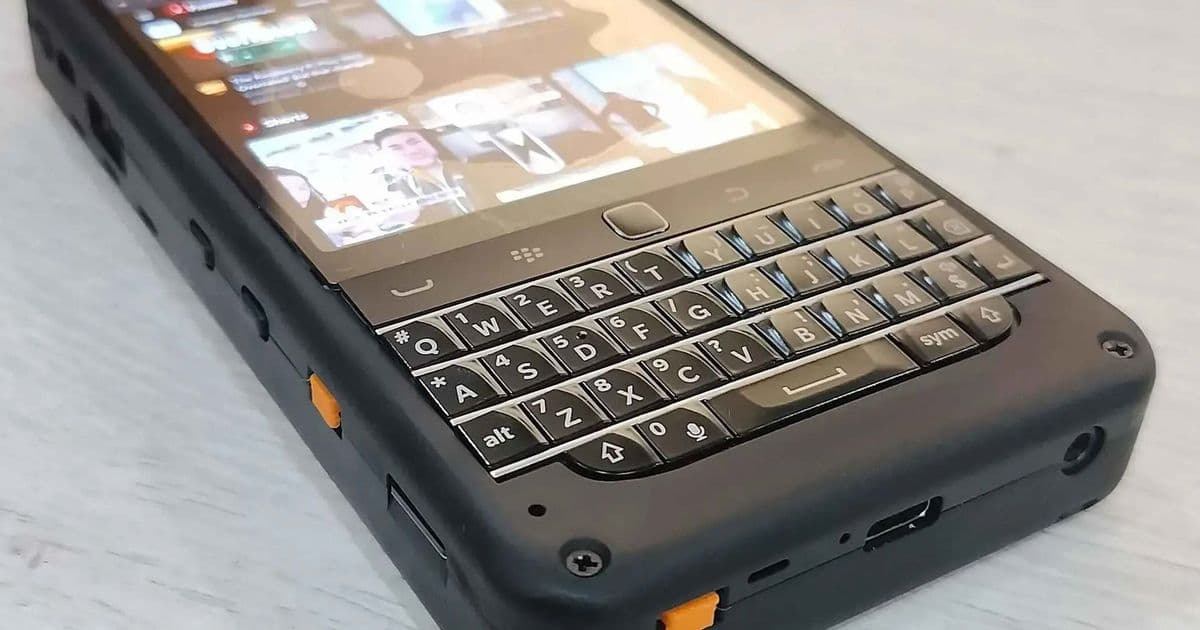
The piBrick Pocket‑CM5 bundles a Raspberry Pi Compute Module 5, a 3.92‑inch 1080 × 1240 AMOLED screen, a BBQ20 keyboard‑trackpad combo and a 5 000 mAh battery into a compact handheld PC. All hardware files are released under GPL 3.0, letting makers source PCBs, assemble the device and add optional SSD storage.
What’s new
The piBrick Pocket‑CM5 is the first fully‑featured handheld built around the Raspberry Pi Compute Module 5 (CM5). Unlike the typical Pi Zero‑style handhelds that rely on a single board, the Pocket‑CM5 uses a custom carrier PCB that routes the CM5’s high‑speed interfaces to a 3.92‑inch AMOLED display (1080 × 1240, 560 nit, up to five‑point touch) via MIPI‑DSI. A BBQ20 keyboard with integrated trackpad provides tactile input, while a rotary encoder, five side buttons and a dedicated 5 000 mAh Li‑ion pack give the device true portable‑PC ergonomics.
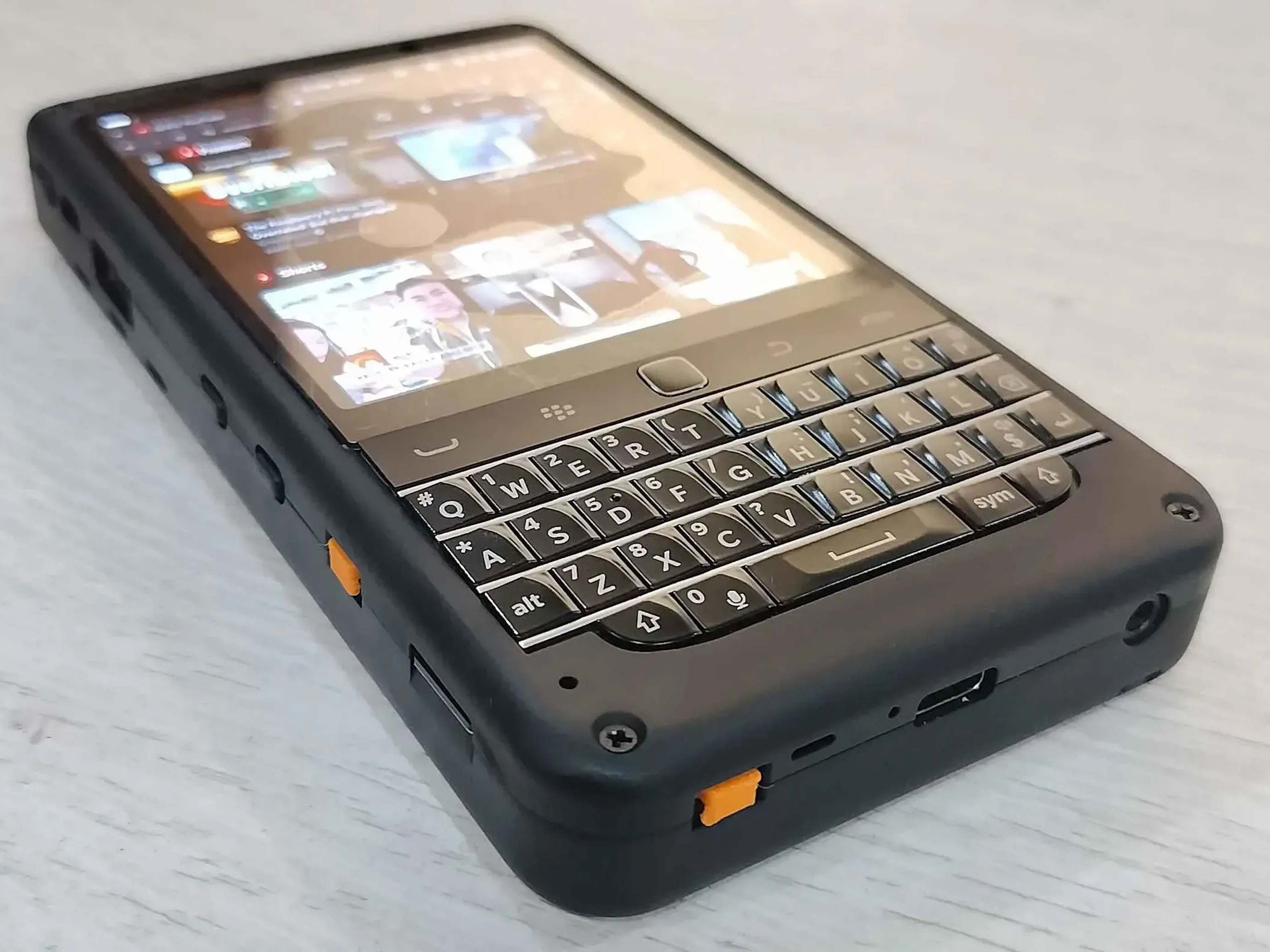
The design is released under GPL 3.0, and all PCB schematics, Gerbers and firmware are hosted on the project’s GitHub repository. Builders can order the carrier board from any PCB fab, source the CM5, and assemble the rest of the parts – a truly open‑source handheld.
How it compares
| Feature | piBrick Pocket‑CM5 | Typical Pi‑Zero handhelds | Small Android phones |
|---|---|---|---|
| CPU | Broadcom BCM2712, 6‑core Cortex‑A78 (CM5) | Broadcom BCM2710, 4‑core Cortex‑A53 (Pi Zero 2 W) | Snapdragon 8‑gen 2 (varies) |
| RAM | 4 GB LPDDR4X (CM5) | 512 MB LPDDR2 | 8‑12 GB LPDDR5 |
| Storage | microSD + optional M.2 NVMe SSD (via adapter) | microSD only | 128‑256 GB UFS |
| Display | 3.92‑in AMOLED, 1080 × 1240, 560 nit, 5‑touch | 2.4‑in TFT, 320 × 240 | 6‑in OLED, 1080‑1440 p |
| Input | BBQ20 keyboard + trackpad, rotary encoder, 5 side buttons | Minimal buttons, optional Bluetooth keyboard | On‑screen keyboard, side volume/buttons |
| Battery | 5 000 mAh, ~8 h mixed use | 1 200‑2 000 mAh, ~4 h | 4 500‑5 000 mAh, ~10 h |
| OS | Raspberry Pi OS, Ubuntu, Arch, custom Linux builds | Raspberry Pi OS, DietPi | Android 13+ |
| Price (parts) | ~US$172 (CM5 + PCB + keyboard + battery) | $70‑$100 | $300‑$500 |
The Pocket‑CM5’s CPU and RAM are a generation ahead of the Pi Zero‑based kits, delivering desktop‑class performance for tasks such as Python development, lightweight web browsing, or even modest video decoding. The AMOLED panel offers far better contrast and color fidelity than the cheap TFTs found on most hobbyist handhelds, making UI elements crisp and reducing eye strain.
One notable advantage over a comparable Android phone is the open software stack. Users can compile their own kernels, enable GPIO‑driven peripherals, or run headless services directly on the device. Conversely, the Pocket‑CM5 lacks the polished touch‑optimised UI of Android; applications need to be adapted for mouse‑style input, which may feel clunky for casual browsing.
Who it’s for
- Makers and educators who want a fully open handheld that can be customized, re‑flashed, or used as a teaching platform for Linux, GPIO, and embedded development.
- Developers needing a portable Linux environment with a real keyboard and trackpad – ideal for on‑the‑go coding, git commits, or running headless services while away from a desk.
- Retro‑gaming enthusiasts who can install a lightweight emulator suite and enjoy games on a high‑quality AMOLED screen without the latency of Bluetooth controllers.
- IoT hobbyists who want to attach sensors, actuators, or camera modules via the CM5’s 40‑pin GPIO while keeping a self‑contained, battery‑powered unit.
If you’re looking for a ready‑to‑use consumer tablet, the Pocket‑CM5 will feel more like a DIY laptop – you’ll spend time soldering, flashing firmware, and tweaking the UI. For anyone comfortable with that process, the result is a uniquely flexible handheld that bridges the gap between single‑board computers and true portable PCs.
Build notes and where to get parts
- Compute Module 5 – available from distributors such as Digi‑Key, Mouser, or the official Raspberry Pi store. Choose the version with 4 GB RAM for the best balance of price and performance.
- Carrier PCB – Gerbers are on the project’s GitHub (https://github.com/piBrick/pocket‑cm5). Most PCB fabs can turn them around in 2‑3 days for under $30 per board.
- BBQ20 keyboard‑trackpad – sold by various hobby shops; ensure the PCB footprint matches the carrier design.
- AMOLED panel – 3.92‑in 1080 × 1240 MIPI‑DSI panels are listed on AliExpress and Digi‑Key. The panel includes a built‑in driver IC that the CM5 can address directly.
- Battery – a 5 000 mAh 3.7 V Li‑ion cell with a protection board; the carrier includes a charging circuit based on the TP4056.
- Optional SSD – a standard M.2 2280 NVMe drive can be attached via a small adapter board (see the project’s “SSD support” guide). {{IMAGE:2}}
Final thoughts
The piBrick Pocket‑CM5 proves that the Raspberry Pi ecosystem can now deliver a handheld Linux PC with a real keyboard, a vibrant AMOLED screen, and the option for fast NVMe storage – all under an open‑source licence. While it won’t replace a mainstream tablet for media consumption, it offers a compelling platform for developers, educators, and hobbyists who value transparency and customisation over out‑of‑the‑box polish.
Comments
Please log in or register to join the discussion