Lenovo's budget-friendly mobile workstation sacrifices premium build quality and display responsiveness despite commanding near-€3,000 pricing, raising questions about value engineering priorities.
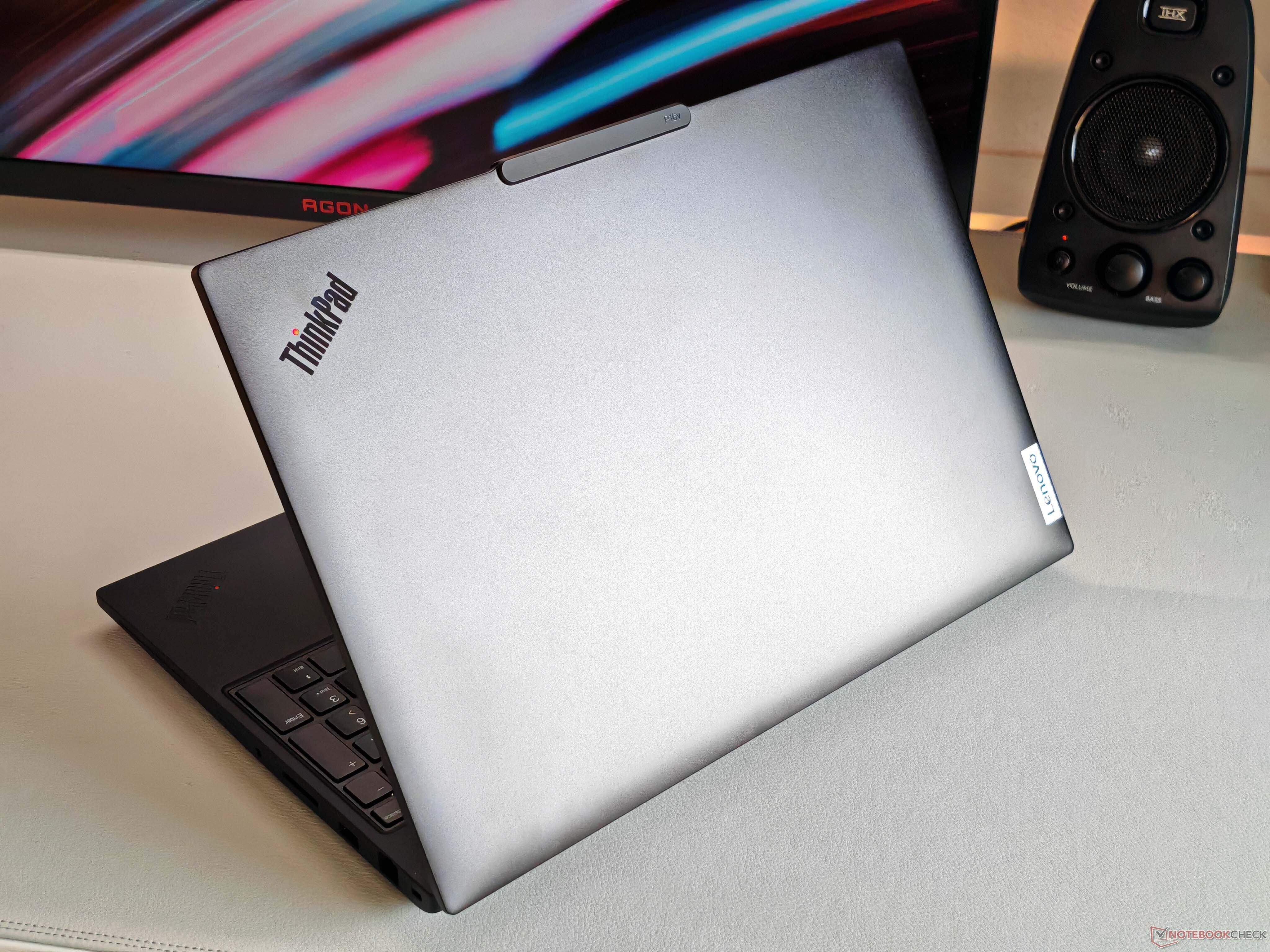
Mobile workstations occupy a critical niche where professionals demand certified reliability and sustained performance, typically justifying premium pricing. The ThinkPad P16v Gen 3 enters this space as Lenovo's more accessible offering, but our review unit priced at approximately €2,800 reveals concerning compromises that clash with workstation-grade expectations.
The most immediate compromise appears in chassis construction. Unlike higher-tier ThinkPads featuring magnesium alloy or carbon fiber, the P16v Gen 3 employs a plastic base unit that exhibits noticeable flex under pressure. When pressure is applied to the central deck area, the material yields more than expected for professional equipment. This structural concession extends to the display hinges, which permit 180-degree articulation but introduce distracting screen bounce during typing or minor adjustments.
Keyboard quality proves equally disappointing. While ThinkPad keyboards traditionally set industry standards—as demonstrated in models like the ThinkPad P1—the P16v's typing experience registers as merely average. Key travel feels abbreviated compared to Lenovo's premium offerings, and the tactile feedback lacks the authoritative snap synonymous with the brand. This represents a puzzling regression given the workstation's target audience of power users who regularly input large volumes of data.
Display performance presents a mixed profile. The default IPS panel delivers strong brightness and full sRGB color coverage, making it suitable for color-accurate workflows out of the box. However, Lenovo inexplicably caps all display options—including the available OLED configuration—at 60Hz refresh rates. This limitation feels anachronistic when competing mobile workstations increasingly offer 120Hz options, particularly given Lenovo's own consumer laptops deploy higher-refresh OLED panels.
Hardware specifications confirm capable workstation foundations with Intel Xeon or Core i7 processors, NVIDIA RTX Pro graphics, and ISV certifications for applications like AutoCAD or SolidWorks. Thermal management maintains stable performance under sustained loads, avoiding the throttling issues that plague many mobile workstations. Yet these technical strengths struggle to justify the near-€3,000 price tag when core user-experience elements like structural rigidity and input devices feel downgraded.
Compared to previous generations and competitors like Dell Precision 5000 series, the Gen 3's cost reductions appear misapplied. Professionals expect workstation pricing to prioritize durability, ergonomics, and display quality—precisely where Lenovo implemented cuts. While the P16v Gen 3 delivers competent performance, its value proposition falters against alternatives that better balance cost-saving measures with user-centric premium features.
Comments
Please log in or register to join the discussion