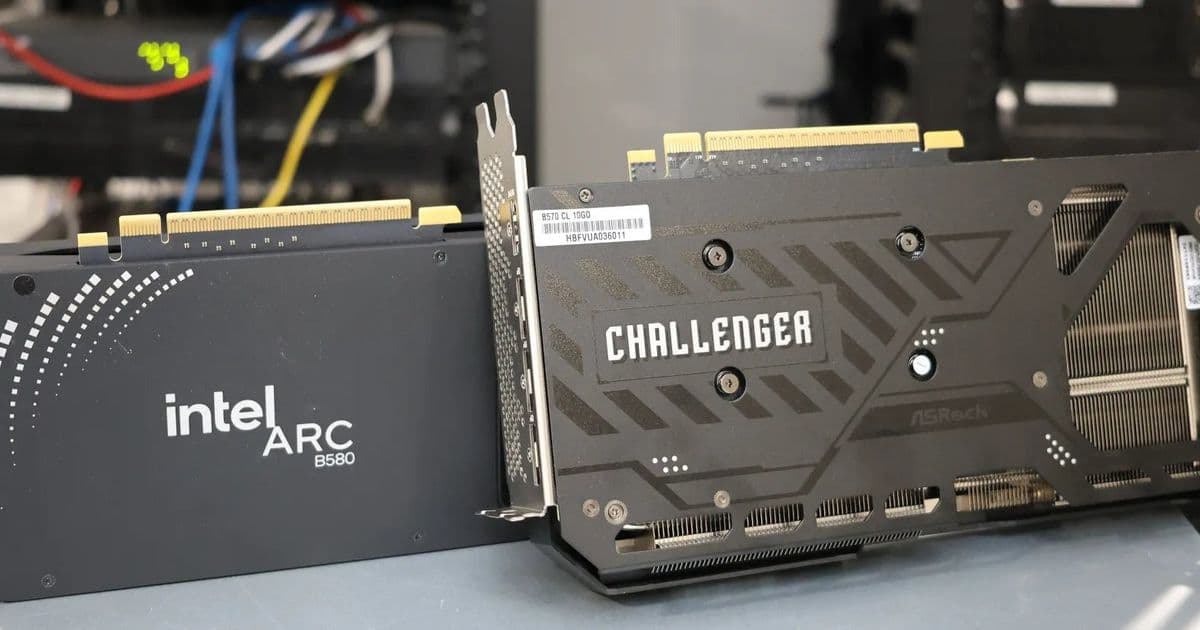
The upcoming Linux 7.0 kernel (or 6.20) will significantly expand hardware monitoring for Intel Arc graphics cards, exposing multiple new temperature sensors via the HWMON interface and adding critical firmware support for upcoming Panther Lake hardware.
The Linux kernel's hardware monitoring subsystem is about to get a major upgrade for Intel Arc graphics users. The latest drm-xe-next pull request, sent to DRM-Next ahead of the Linux 7.0 merge window, introduces comprehensive GPU temperature reporting that goes far beyond the basic core temperature readings available today.
New Temperature Sensors Exposed
The Intel Xe driver will now expose several critical temperature metrics through the standard Linux HWMON interface. This means any user-space monitoring tool that can read HWMON sensors will automatically gain access to these new metrics without requiring driver-specific applications.
The new sensors include:
- GPU Core Temperature Limits: Exposed via the hardware's PCODE mailbox
- Memory Controller Temperature: Critical for understanding VRAM thermal behavior
- GPU PCIe Temperature: Monitors the interface thermal state
- Individual VRAM Channel Temperatures: Unprecedented granularity for memory thermal management
The temperature limits are structured as follows:
tempX_emergency: Shutdown temperature limittempX_crit: Critical temperature thresholdtemp2_max: Maximum GPU temperature
This granular reporting is particularly valuable for homelab builders and enthusiasts running sustained workloads on Arc GPUs, where understanding which component is actually thermal throttling can make the difference between stable operation and unexpected crashes.
Firmware Support for Next-Gen Hardware
The same kernel update includes critical enablement work for Intel's upcoming Nova Lake and Panther Lake processors. For Nova Lake, the Xe3P integrated graphics receive continued enablement work, ensuring proper support when these processors launch.
Panther Lake receives even more substantial driver updates, including:
- GSC Firmware Loading: The General System Controller firmware is now supported
- Protected Xe Path (PXP) Enablement: Intel's content protection framework for secure video playback
Intel recently added GSC firmware to the linux-firmware.git repository, making it available for distribution. Notably, GSC support is optional for Panther Lake graphics - the driver will function perfectly without it. However, PXP functionality requires the GSC firmware to be present and enabled.
Practical Implications for System Builders
For Linux users running Intel Arc GPUs, these changes mean better thermal management and more informed cooling decisions. The ability to monitor individual VRAM channel temperatures, for example, helps identify whether cooling solutions are adequate for sustained memory-intensive workloads like AI inference or video encoding.
System administrators managing fleets of Linux workstations with Intel Arc GPUs will appreciate the standardized HWMON interface. Tools like lm-sensors, collectd, or custom monitoring scripts can now access these metrics without vendor-specific software.
The temperature limit reporting via PCODE mailbox is particularly interesting. This hardware-level access provides more accurate readings than software-reported temperatures, giving users a clearer picture of the GPU's actual thermal state. For overclockers and undervolters, this data is essential for pushing hardware to its limits safely.
Build Recommendations
If you're planning a Linux system with Intel Arc graphics and want to leverage these new monitoring capabilities:
- Wait for Linux 7.0: The changes are targeted for the February merge window, with stable releases following shortly after.
- Update Monitoring Tools: Ensure your monitoring stack uses HWMON interfaces rather than vendor-specific APIs for maximum compatibility.
- Consider Cooling: With VRAM channel temperatures now visible, you might discover that your current cooling solution needs improvement for memory-intensive workloads.
- Firmware Preparation: For Panther Lake systems, download the GSC firmware from the linux-firmware repository if you plan to use protected content playback.
The expanded temperature reporting represents a significant step forward in Linux's support for Intel Arc graphics, bringing it closer to the level of hardware visibility that NVIDIA and AMD GPUs have enjoyed for years. For homelab builders who measure everything, this is exactly the kind of granular data that enables better optimization and more reliable systems.
The Intel Xe driver continues to mature rapidly, with these thermal monitoring improvements complementing existing work on power management, display support, and compute capabilities. As Intel's discrete graphics presence grows in the Linux ecosystem, these driver enhancements ensure that users have the tools needed to monitor, tune, and maintain their hardware effectively.
For the latest updates on these changes, see the drm-xe-next pull request and the Intel Xe driver documentation.
Comments
Please log in or register to join the discussion