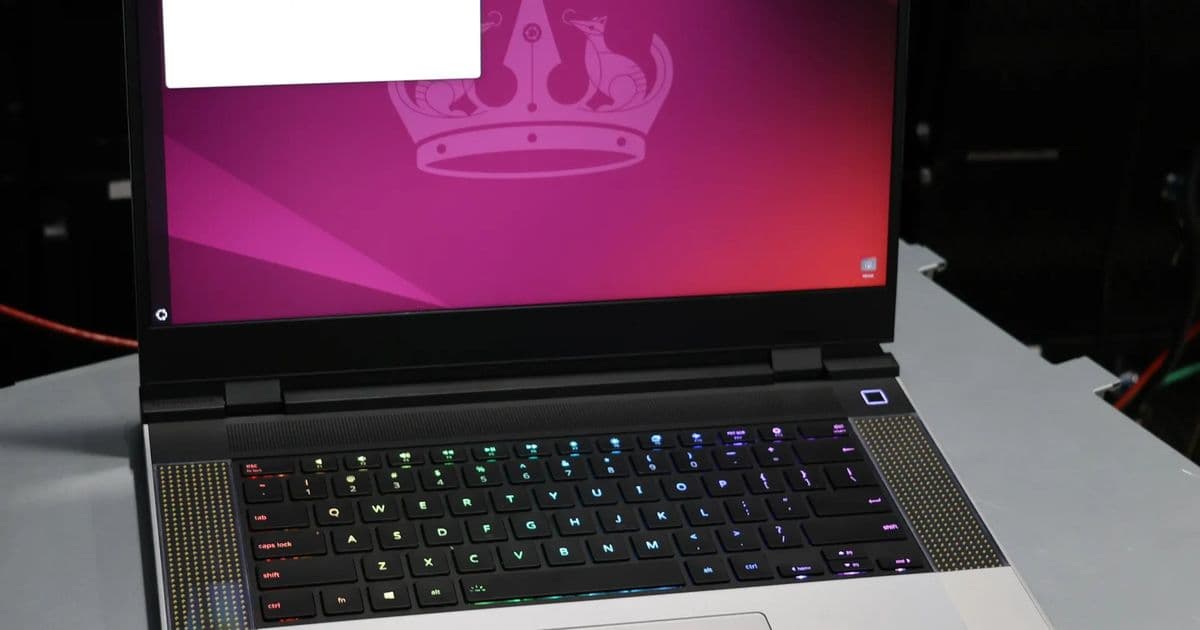
9elements is porting Coreboot and AMD's openSIL to first-gen Framework laptops, starting with the Framework 16 and followed by the Framework 13, marking a significant step toward open-source firmware for AMD Phoenix platforms.
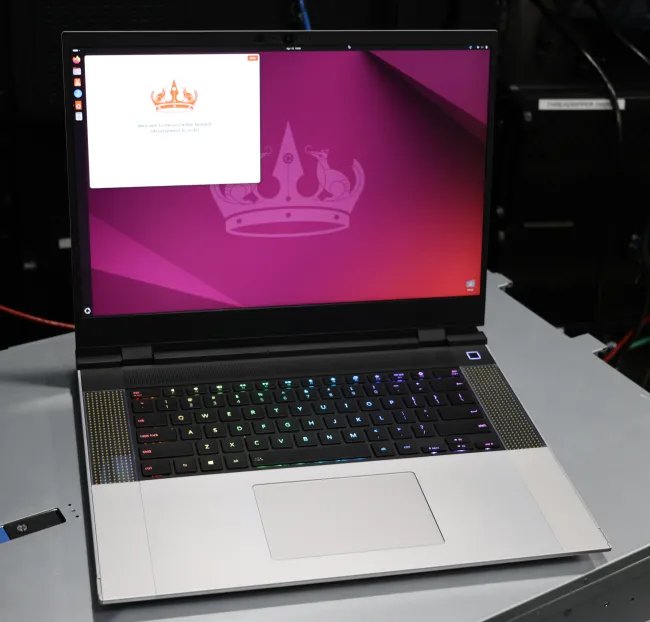
Work is underway by 9elements on porting Coreboot plus AMD openSIL to the first-generation Ryzen 7000 series Framework 16 laptop and is expected to be followed by a similar port to the Framework 13 Gen1 laptop too. Alicja Michalska of 9elements shared the work-in-progress effort being done to get the Framework 16 Gen1 (Ryzen 7000 series models) up and running with Coreboot using the AMD openSIL CPU silicon initialization library.
The plan is to follow-up with also porting Coreboot + openSIL for the Framework 13 laptop too with the similar Ryzen 7000 series AMD "Phoenix" SoCs. The work is still in its early stages in tackling memory training and other early initialization work. Plus this work also involves bringing the AMD openSIL Phoenix code into Coreboot.
There is this work-in-progress Coreboot code for the Framework Laptop 13 "Lotus" support that began months ago. In recent days have also been more Coreboot code pending around the Phoenix openSIL proof-of-concept code. Exciting to see this work happening for the older AMD Phoenix based Framework 16 and then Framework 13 laptops. Hopefully similar support will also end up coming for the newer Strix Point hardware in time too. It's for next-gen Zen 6 platforms where AMD has been working on bringing openSIL support up to production status. We look forward to following along this work being done by 9elements.
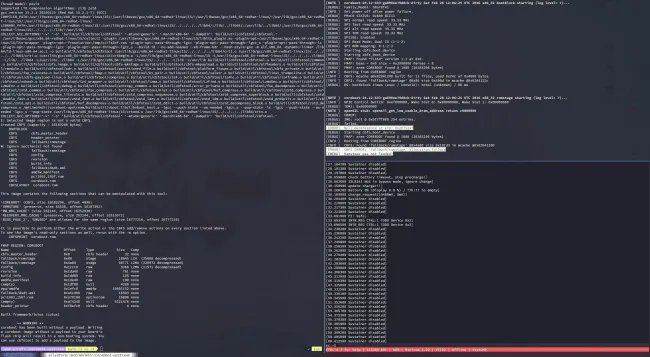
Alicja Michalska kindly shared a screenshot with Phoronix of the in-progress work. This complements work being done by consulting firm 3mdeb also around Coreboot + AMD openSIL where they are porting to a Gigabyte AMD EPYC 9005 server motherboard that is readily available as well as an MSI AM5 Ryzen motherboard too.
Coreboot + AMD openSIL: Why This Matters
The Framework 16 and Framework 13 laptops have gained popularity among Linux enthusiasts and open-source advocates due to their modular design and commitment to user freedom. However, their proprietary firmware has been a limitation for those seeking complete control over their hardware.
Coreboot is a free and open-source BIOS/UEFI replacement that provides faster boot times, enhanced security through verified boot, and complete transparency of the firmware stack. The integration of AMD's openSIL (Silicon Initialization Library) is crucial because it handles the low-level CPU and memory initialization that Coreboot needs to bring up modern AMD systems.
Technical Challenges Being Addressed
Memory training represents one of the most complex aspects of this port. Modern DDR5 memory requires sophisticated calibration routines to achieve stable operation at high frequencies. The openSIL library provides AMD's reference implementation for these training algorithms, which 9elements is adapting to work within Coreboot's initialization sequence.
Early initialization work involves getting the CPU out of reset, configuring the memory controller, and establishing basic system functionality before handing off to the operating system. This is particularly challenging on Phoenix platforms due to their complex power management and initialization requirements.
The Lotus Support Connection
The existing "Lotus" support code in Coreboot for the Framework 13 indicates that this isn't the first attempt at bringing open-source firmware to these platforms. The Lotus codename refers to the AMD Phoenix silicon used in the first-generation Framework 13 with Ryzen 7000 series processors.
This prior work likely provides a foundation that 9elements is building upon, potentially accelerating the development timeline for both the Framework 16 and Framework 13 ports.
Broader Ecosystem Impact
This work by 9elements complements similar efforts by 3mdeb, a consulting firm working on Coreboot + openSIL ports for server and desktop platforms. Their work on Gigabyte AMD EPYC 9005 server motherboards and MSI AM5 Ryzen motherboards demonstrates growing industry interest in open-source firmware solutions.
For the Framework community specifically, successful Coreboot ports would mean:
- Complete firmware transparency for security-conscious users
- Potential for custom boot logos and boot-time optimizations
- Better long-term support as Coreboot continues development
- Reduced dependency on manufacturer firmware updates
Looking Ahead: Strix Point and Beyond
While the current focus is on Phoenix-based hardware, there's hope that similar support will eventually come to newer Strix Point platforms. Strix Point represents AMD's next generation of mobile processors, and having open-source firmware support across multiple hardware generations would be a significant achievement.
AMD's work on bringing openSIL support to production status for next-gen Zen 6 platforms suggests that the company sees value in open-source firmware ecosystems. This could lead to better documentation, reference implementations, and potentially even official support for Coreboot on future AMD platforms.
Development Status and Timeline
Given that the work is described as being in "early stages," users shouldn't expect immediate availability. Memory training and silicon initialization are typically among the last components to be completed in Coreboot ports, as they require extensive testing and validation.
However, the fact that 9elements is actively sharing progress and screenshots indicates confidence in the project's viability. The Framework community is likely to provide valuable testing and feedback as development progresses.
Community Impact
For Framework laptop owners, this development represents another step toward the company's commitment to openness and repairability. While Framework already provides excellent Linux support and hardware schematics, open-source firmware would complete the picture for many enthusiasts.
This work also demonstrates the viability of commercial open-source firmware development, where companies like 9elements can sustain themselves while contributing to the broader open-source ecosystem.
The successful completion of these ports could influence other laptop manufacturers to consider Coreboot support, especially as AMD continues to invest in openSIL and related open-source initiatives.
Technical Implementation Details
The integration of openSIL into Coreboot requires careful coordination between the two codebases. Coreboot's architecture uses a series of stages, starting from the very first instruction executed on the CPU and progressing through memory initialization, hardware enumeration, and finally payload execution (typically a bootloader).
openSIL provides the silicon-specific code that Coreboot needs during the early stages. This includes:
- CPU initialization and configuration
- Memory controller setup and training
- PCIe and other I/O initialization
- Power management configuration
The challenge lies in adapting AMD's reference implementation to work within Coreboot's initialization flow, which may differ from AMD's reference BIOS implementation.
Testing and Validation
Memory training in particular requires extensive testing across different memory configurations, as users may install various DDR5 modules with different timings and capacities. The openSIL implementation must handle these variations gracefully while maintaining stability.
Early development likely involves basic functionality testing on reference hardware before expanding to support the various Framework 16 and Framework 13 configurations that exist in the wild.
Performance Implications
Coreboot typically offers faster boot times compared to traditional BIOS implementations, sometimes reducing boot times by several seconds. For Framework laptop users who frequently reboot or use fast boot-to-desktop workflows, this could be a noticeable improvement.
Additionally, Coreboot's smaller footprint leaves more space for alternative bootloaders or recovery options, providing users with greater flexibility in how they configure their systems.
Security Considerations
Open-source firmware provides transparency that proprietary firmware cannot match. Security researchers can audit the entire firmware stack, potentially identifying vulnerabilities before they can be exploited.
Coreboot also supports verified boot through its integration with projects like Heads, which can provide hardware-rooted trust for the entire boot process.
The Road Ahead
As this work progresses, the Framework community will likely see increased activity around Coreboot development, testing, and documentation. Success with the Phoenix platforms could pave the way for similar efforts on future Framework hardware, creating a virtuous cycle of open-source firmware support.
The collaboration between 9elements, AMD's openSIL development, and the broader Coreboot community demonstrates how commercial interests and open-source principles can align to benefit users through increased choice, transparency, and control over their computing platforms.
Comments
Please log in or register to join the discussion