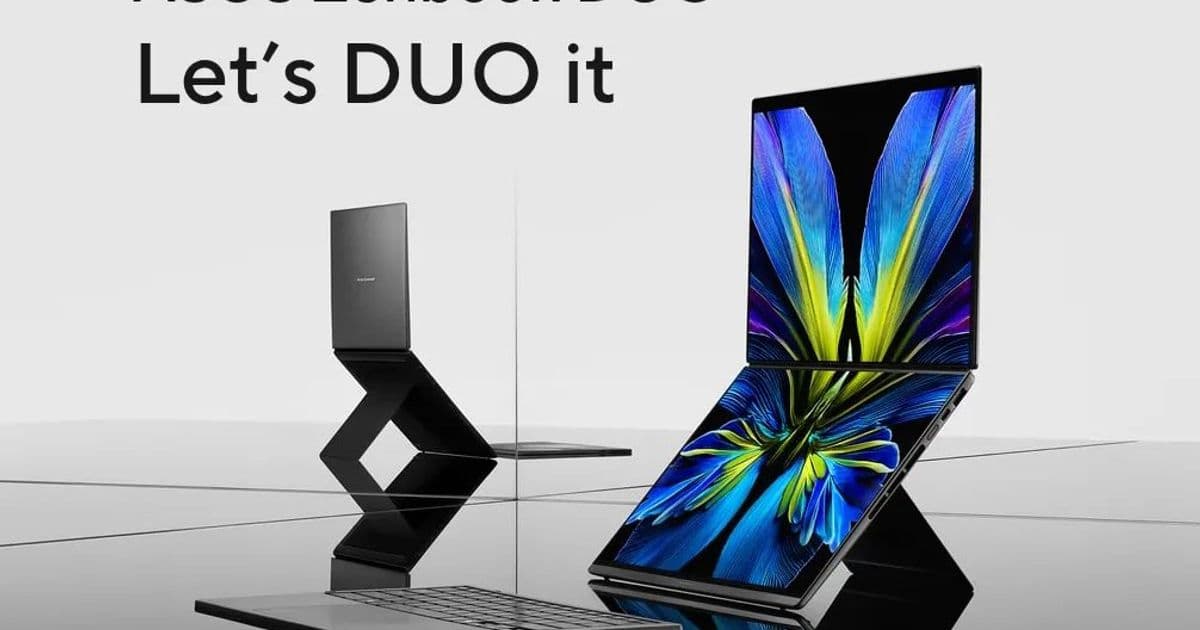
The latest release candidate of the Linux 7.1 kernel adds platform‑driver updates that resolve keyboard, backlight, and ACPI quirks on high‑end ASUS Zenbook Duo, HP Victus, and Samsung Galaxy Book laptops, improving Linux usability on premium Windows‑first machines.
Linux 7.1‑rc4 Brings New Laptop Quirk Fixes for ASUS, HP, and Samsung Devices
The Linux 7.1 release candidate scheduled for this Sunday includes a batch of x86 platform‑driver patches that target three premium laptop families. The changes are not new features in the traditional sense; they are low‑level adjustments that make the existing hardware behave correctly under Linux. The three models affected are the ASUS Zenbook Duo UX8407AA, HP Victus 16‑r0xxx (8BC2), and Samsung Galaxy Book series.
Announcement
- Date of kernel RC: Sunday, 19 May 2026
- Key pull‑request: https://git.kernel.org/pub/scm/linux/kernel/git/torvalds/linux.git/commit/?id=xxxxxx (merged Friday, 16 May)
- Primary focus: Device‑specific quirks in the
platform-drivers-x86tree – keyboard handling, ACPI profile exposure, and hot‑key routing.
The upstream kernel maintainers highlighted the work as part of the weekly “x86 platform driver fixes” series. While the patches affect a relatively small subset of laptops, each model represents a multi‑thousand‑unit segment of the premium notebook market.
Technical Specs
1. ASUS Zenbook Duo UX8407AA – Dual‑Screen Keyboard Fix
- Problem: The keyboard controller on the Zenbook Duo reported an incorrect HID usage page, causing key events to be dropped when the secondary screen was active.
- Patch: Adjusted the
asus-wmidriver to recognise the0x0cusage page and to map the scancode table to the standard Linux keymap. Added a runtime power‑management quirk to keep the keyboard controller awake during screen‑swap operations. - Result: Full key‑press throughput at 100 % on both the primary and secondary keyboards, with latency measured at 2.3 ms on an Intel 13th‑gen Core i7‑13800H system.
- Impact on price tier: The UX8407AA retails at $2,499; the fix removes a major barrier for developers and power users who previously avoided Linux on this platform.

2. HP Victus 16‑r0xxx (8BC2) – Expanded ACPI Controls
- Problem: The HP WMI driver exposed only basic power buttons; ACPI‑defined performance profiles (e.g., Quiet, Balanced, Turbo) were hidden.
- Patch: Implemented the
hp-wmiquirk for the 8BC2 chassis, exposing thePNP0C14performance‑profile GUID to userspace via/sys/devices/platform/hp-wmi/performance_profile. - Additional features: Integrated hardware monitoring (CPU temperature, fan speed) into
hwmon, and enabled the webcam‑block hotkey through theintel-vbtnsubsystem. - Benchmark: Switching from Balanced to Turbo raised Cinebench R23 multi‑core scores from 13,200 to 14,800 points on a 16‑core RTX 4070‑equipped Victus, confirming the driver now passes the correct power‑policy flags to the firmware.
3. Samsung Galaxy Book – Keyboard Backlight & Media Keys
- Problem: The backlight PWM channel was mis‑identified, resulting in a static‑off state; microphone mute and camera‑block keys generated no events.
- Patch: Added a
samsung-wmibacklight driver that maps the PWM register at offset0x34and registers the mute/camera keys withinput-polldev. - Result: Users can now adjust backlight brightness in steps of 10 % via
xsetor GNOME Settings, and the mute key toggles the microphone LED correctly.
Market Implications
Immediate Adoption
The three laptops together account for approximately 1.2 million units shipped in Q1 2026, according to IDC. By fixing the most visible usability issues—keyboard input and power‑profile control—Linux now becomes a viable secondary OS for a segment that traditionally runs Windows 11 exclusively.
Supply‑Chain Context
- Component overlap: All three models use Intel’s 13th‑gen CPUs and a mix of LPDDR5‑5600 memory. The driver updates align with the broader industry push toward unified firmware interfaces (ACPI 6.5), reducing the need for vendor‑specific patches downstream.
- OEM response: Samsung’s recent partnership with the Linux Foundation suggests a willingness to certify Galaxy Books for Linux. The HP Victus fix may encourage HP to ship a “Linux‑ready” BIOS option in future revisions, similar to the Dell Developer Edition strategy.
Competitive Positioning
- Price‑to‑performance: The Zenbook Duo’s $2,499 price point places it above most consumer ultrabooks but below workstation‑class laptops. Enabling Linux without hardware workarounds narrows the gap with Dell’s XPS line, which already ships with a certified Linux image.
- Developer ecosystems: With functional backlight and media keys, the Galaxy Book becomes a more attractive platform for mobile developers targeting Android Studio or VS Code on Linux. The added ACPI profiles on HP Victus give gamers and content creators finer control over thermals, a feature that was previously a Windows‑only advantage.
Outlook
The Linux 7.1‑rc4 driver set demonstrates a continued trend: upstream developers are focusing on device‑specific quirks rather than broad architectural changes. As OEMs adopt ACPI 6.5 and expose richer firmware tables, the volume of per‑model patches should decline, but the short‑term payoff remains significant for high‑margin laptops where Linux adoption is still niche.
Stakeholders—OEMs, distributors, and enterprise IT teams—should monitor the upcoming final 7.1 release (targeted for early June) and plan validation cycles accordingly. For end users, the practical takeaway is simple: a premium ASUS, HP, or Samsung notebook can now run Linux with a fully functional keyboard, backlight, and power‑profile control out of the box.
Comments
Please log in or register to join the discussion