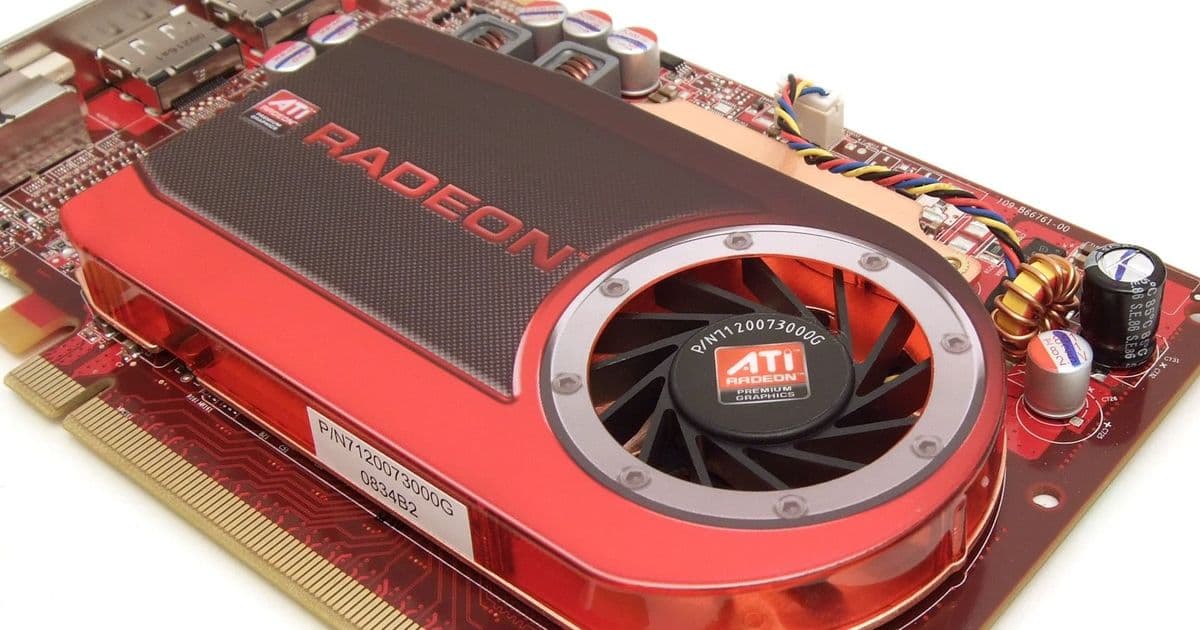
A maintainer used GitHub Copilot to push 59 commits cleaning up the R600 Gallium3D shader compiler, the open-source driver that still powers Radeon HD 2000 through HD 6000 cards from 2007 to 2010. The move signals how AI tooling is filling the manpower gap in legacy hardware support.
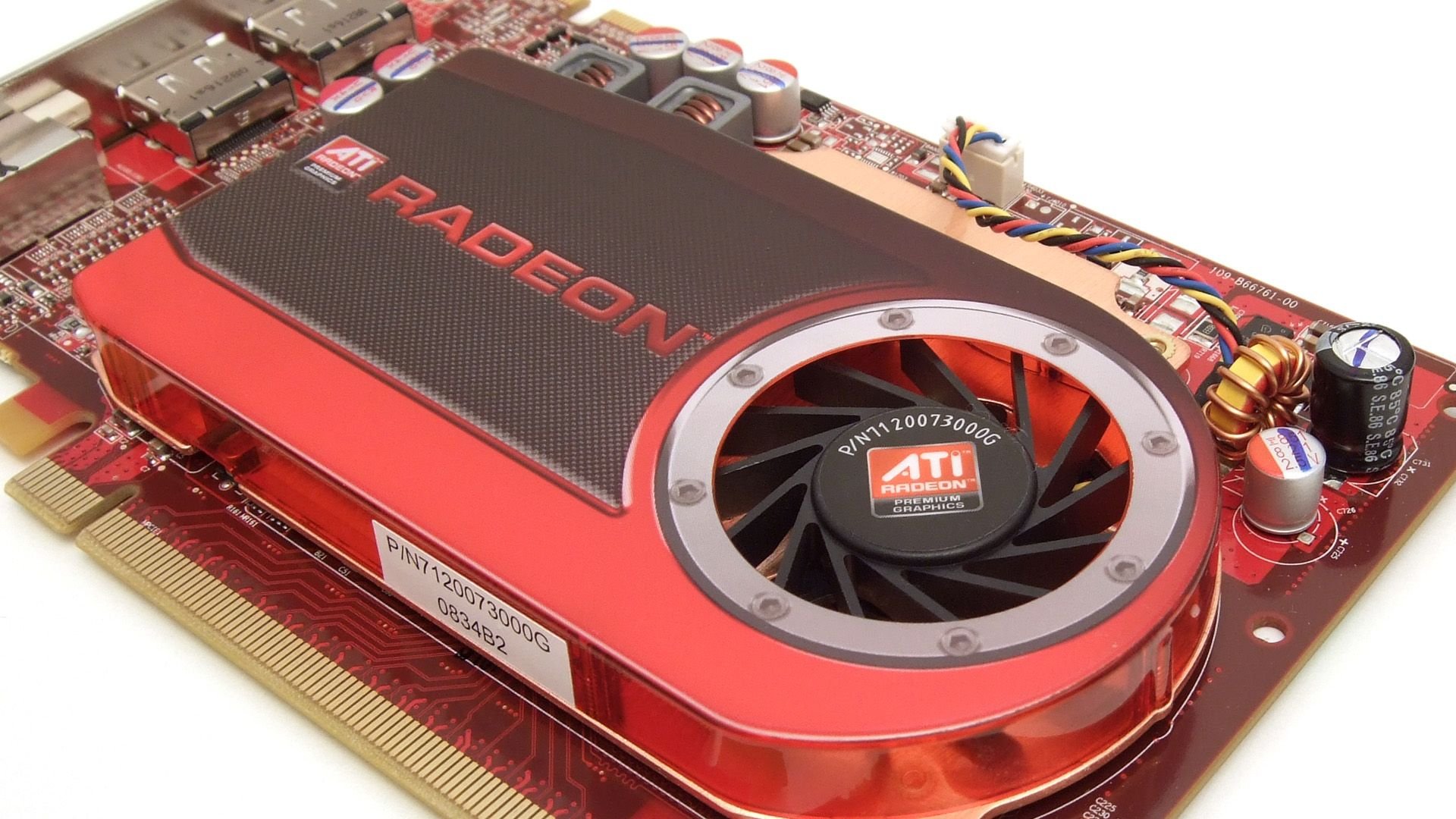
AI-assisted coding has reached one of the least glamorous corners of open-source software: maintaining graphics drivers for hardware that shipped before the first iPad. According to a Phoronix report, developer Gert Wollny landed 59 commits into the R600 Gallium3D driver inside Mesa, the open-source graphics stack, with each commit citing GitHub Copilot in auto mode as the tool used to refactor the shader compiler code.
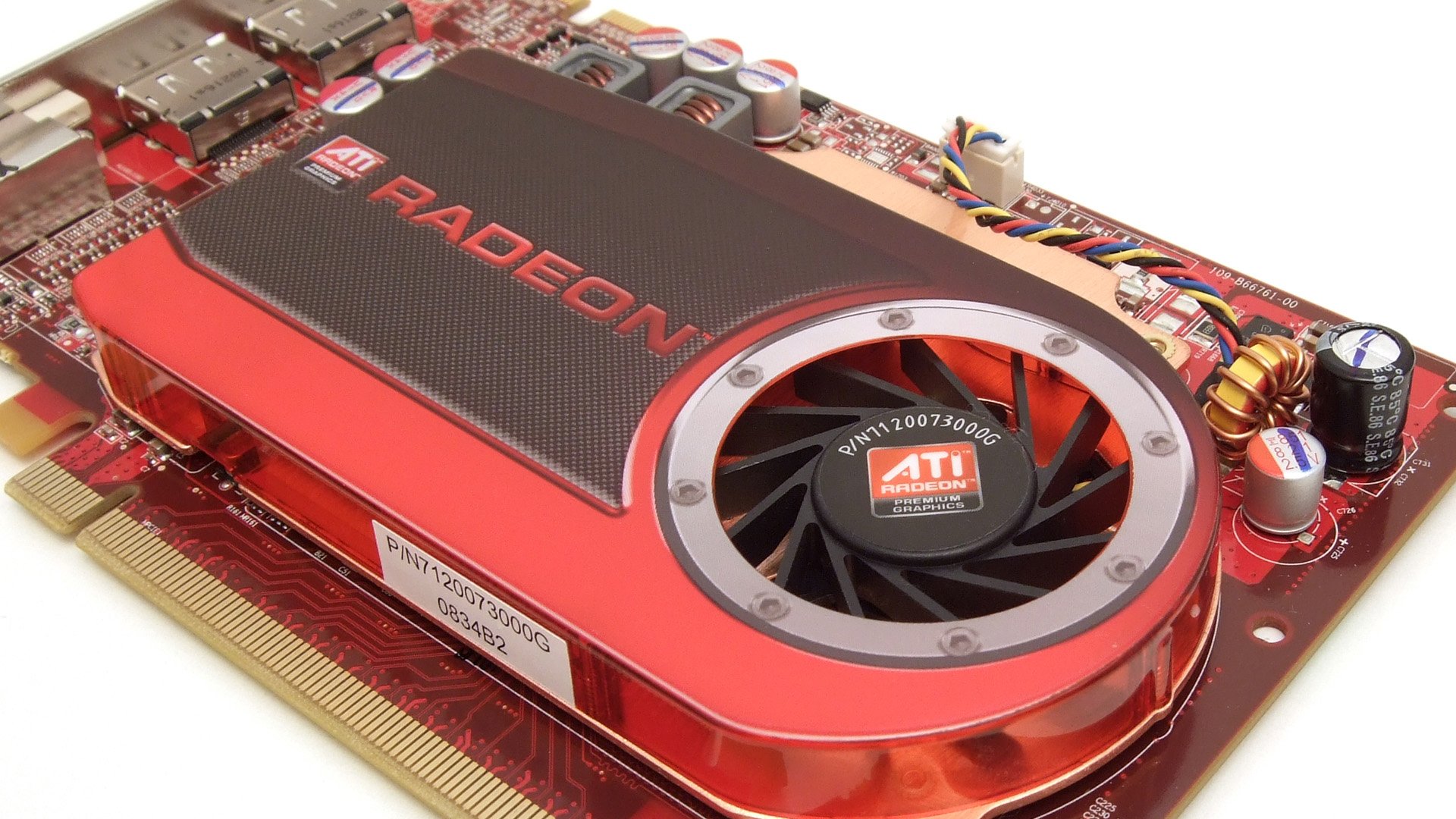
The R600 driver covers AMD/ATI's Radeon HD 2000 series, which launched in 2007, through the HD 6000 series from 2010. That puts the oldest supported silicon at roughly 19 years of age. These were chips built on 80nm, 55nm, and 40nm process nodes, generations of manufacturing that predate the FinFET transistors that have defined leading-edge logic since 2012. The TeraScale architecture inside them used a VLIW (Very Long Instruction Word) shader design, a layout that is notoriously fiddly for compilers to schedule efficiently, which is exactly the kind of code that benefits from a careful cleanup pass.
What Copilot actually did here
This is not a case of an AI generating a driver from scratch. The 59 commits are refactoring work, tidying the shader compiler that translates graphics instructions into something the aging TeraScale hardware can execute. Refactoring is a good fit for current LLM tooling because the correct output is constrained by existing behavior. The code already works; the goal is to make it cleaner and easier to maintain without changing what it produces. Wollny tagged each commit to disclose Copilot's involvement, which lines up with the kernel's evolving stance on AI contributions.
Linus Torvalds has not banned AI-generated contributions. Instead, the Linux project requires that AI assistance be tagged, and it places responsibility for any resulting bugs squarely on the human submitting the patch. The submitter has to test the work before publishing it. That accountability model matters more than it might seem. It keeps the human in the loop as the verifier of record, rather than treating the model's output as authoritative.
Why this matters for legacy hardware
Old drivers tend to be maintained by one person, or sometimes nobody at all. As the broader Mesa codebase adds features for modern GPUs, legacy drivers risk breaking when shared infrastructure changes underneath them. The community is discussing splitting the R600 code into a legacy branch called Amber2, following the precedent of the original Amber branch that froze even older drivers. Forking legacy drivers into a frozen branch frees the main codebase to move forward while keeping the old hardware functional.
AI tooling fits this maintenance problem well. The economic reality of supporting two-decade-old GPUs is that almost no one is paid to do it, and the user base is small and shrinking. A tool that lets a single volunteer move faster through tedious cleanup work directly extends the useful life of that hardware. For users running these cards in retro builds, low-power home servers, or simply machines they never bothered to replace, that translates into continued support on current Linux distributions.

The pattern visible here will likely repeat across other dormant drivers. Where the work is well-defined refactoring against a known-good baseline, and where a human remains responsible for testing and signing off, AI assistance lowers the cost of keeping old code compiling against a moving target. The interesting question is whether disclosure norms like the kernel's tagging requirement hold up as this becomes routine, or whether AI involvement eventually becomes too pervasive to flag. For now, the R600 work shows a measured version of the practice: 59 disclosed commits, a human maintainer on the hook, and a fleet of GPUs from the late 2000s that get to stay relevant a little longer.
Comments
Please log in or register to join the discussion