The MKISS ham radio serial driver, untouched since before Git, is finally getting modernized with cleaner code and better logging in 2026.
The Linux kernel's MKISS driver, a relic from the pre-Git era of kernel development, is finally getting some much-needed attention in 2026. Open-source developer Mashiro Chen has posted a series of patches to the Linux kernel mailing list that aim to modernize and clean up this ham radio serial driver that's been essentially untouched for over two decades.
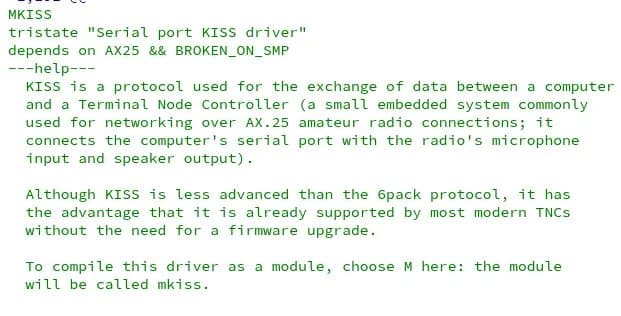
The MKISS (Modified KISS) driver handles AX.25 amateur radio communications over serial lines, providing a serial port KISS protocol interface for exchanging data between computers and terminal node controllers. This technology has been around since before the Linux kernel's Git import, making it one of the oldest pieces of code still in the kernel tree.
According to Chen's patches, the driver has seen minimal activity since its initial import - just an SMP rewrite in 2005 and some minor fixes over the years. Even basic code maintenance has been absent for more than six years, making this modernization effort long overdue.
What's Changing in the Modernization
The patch series tackles several key areas of improvement:
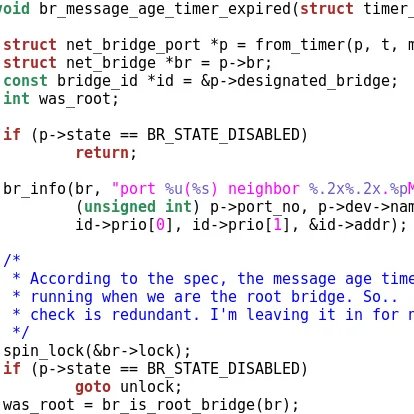
Code Safety and Readability: The first patch moves variable assignments out of if conditions, a common practice that can prevent subtle bugs and make code easier to understand at a glance.
Redundant Initializations: The second patch removes unnecessary static initializations to zero, cleaning up the codebase and potentially reducing binary size.
Formatting Fixes: Missing spaces around assignment operations are being corrected, addressing basic coding style issues that have accumulated over the years.
Modern Logging System: Perhaps the most significant change is replacing legacy printk() calls with netdev_* and pr_* macros. This provides better device-specific context in kernel logs, making debugging and monitoring much more effective for system administrators.
Checkpatch Compliance: The final patch addresses remaining issues flagged by checkpatch.pl, Linux's kernel source code checker. This includes converting space-based indentation to tabs (following kernel conventions), aligning parameters properly, and fixing comment formats.
Why This Matters for the Linux Kernel
While ham radio enthusiasts represent a niche community, the MKISS driver's modernization highlights an important aspect of kernel maintenance. Code that works but hasn't been touched in years can accumulate technical debt, making it harder to maintain and potentially introducing security vulnerabilities.
By bringing this driver up to modern coding standards, Chen is not only improving the code quality but also making it more accessible to new developers who might want to contribute to this area of the kernel. The use of standardized logging macros and proper formatting makes the code more consistent with the rest of the kernel, reducing the cognitive load for anyone working on it.
The Bigger Picture
The MKISS driver's long dormancy followed by sudden modernization is somewhat unusual. Many developers might have expected such an old, niche driver to simply be removed rather than updated. However, this approach preserves functionality for ham radio operators while bringing the code into the 21st century.
This kind of maintenance work, while not as flashy as adding new features, is crucial for the long-term health of the Linux kernel. It demonstrates that even the most obscure corners of the kernel aren't forgotten and that there are developers willing to invest time in preserving and improving legacy code.
The patches are currently out for review on the Linux kernel mailing list, where they'll undergo the usual scrutiny from kernel maintainers. If accepted, this modernization will ensure the MKISS driver remains viable for years to come, serving the amateur radio community with cleaner, safer, and more maintainable code.
For ham radio operators running Linux, these changes should be transparent but beneficial - better logging means easier troubleshooting, and cleaner code means fewer potential bugs. For the broader Linux community, it's a reminder that kernel development isn't just about the latest hardware support or performance optimizations, but also about maintaining the diverse ecosystem of drivers that have been part of Linux since its early days.
Comments
Please log in or register to join the discussion