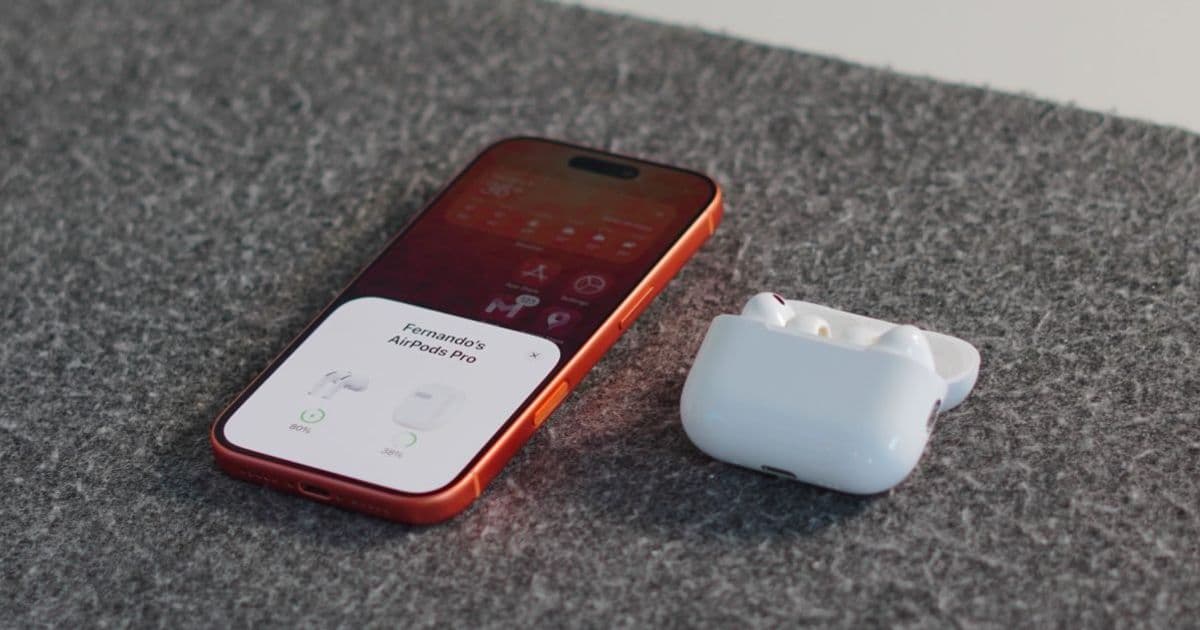
A major ransomware attack on Apple's primary manufacturing partner Luxshare has reportedly compromised sensitive engineering data, including 3D CAD models and device specifications for iPhone, AirPods, and other products. The breach highlights critical vulnerabilities in the mobile hardware supply chain that could impact iOS and Android development timelines, security practices, and cross-platform hardware strategies.
A significant data breach at Luxshare, Apple's largest manufacturing partner in China, has potentially exposed confidential product information spanning multiple years of development. The ransomware group RansomHub claims to have obtained engineering data dated December 15, 2025, including 3D CAD models, PCB designs, and shipping timelines for Apple products, along with similar data from Nvidia, LG, and Tesla.
The Breach Details and Technical Implications
RansomHub alleges they possess "sensitive business operations" data from 2019 through 2025. For mobile developers, this represents more than just a corporate security incident—it's a potential roadmap of upcoming hardware specifications that could influence software development strategies across both iOS and Android ecosystems.
The stolen data reportedly includes:
- 3D CAD product models and engineering designs - These files contain precise dimensional data, material specifications, and assembly instructions that could allow competitors to reverse-engineer Apple's design choices
- Device repair information - Detailed teardown documentation that reveals component placement and accessibility
- Shipping timelines and processes - Production schedules that could indicate launch windows for new devices
- PCB manufacturing data and component drawings - Circuit board layouts and component specifications that inform hardware-software integration
- Personal identifiable information - Details about Apple employees working with Luxshare, creating potential social engineering risks
Impact on Mobile Development Ecosystems
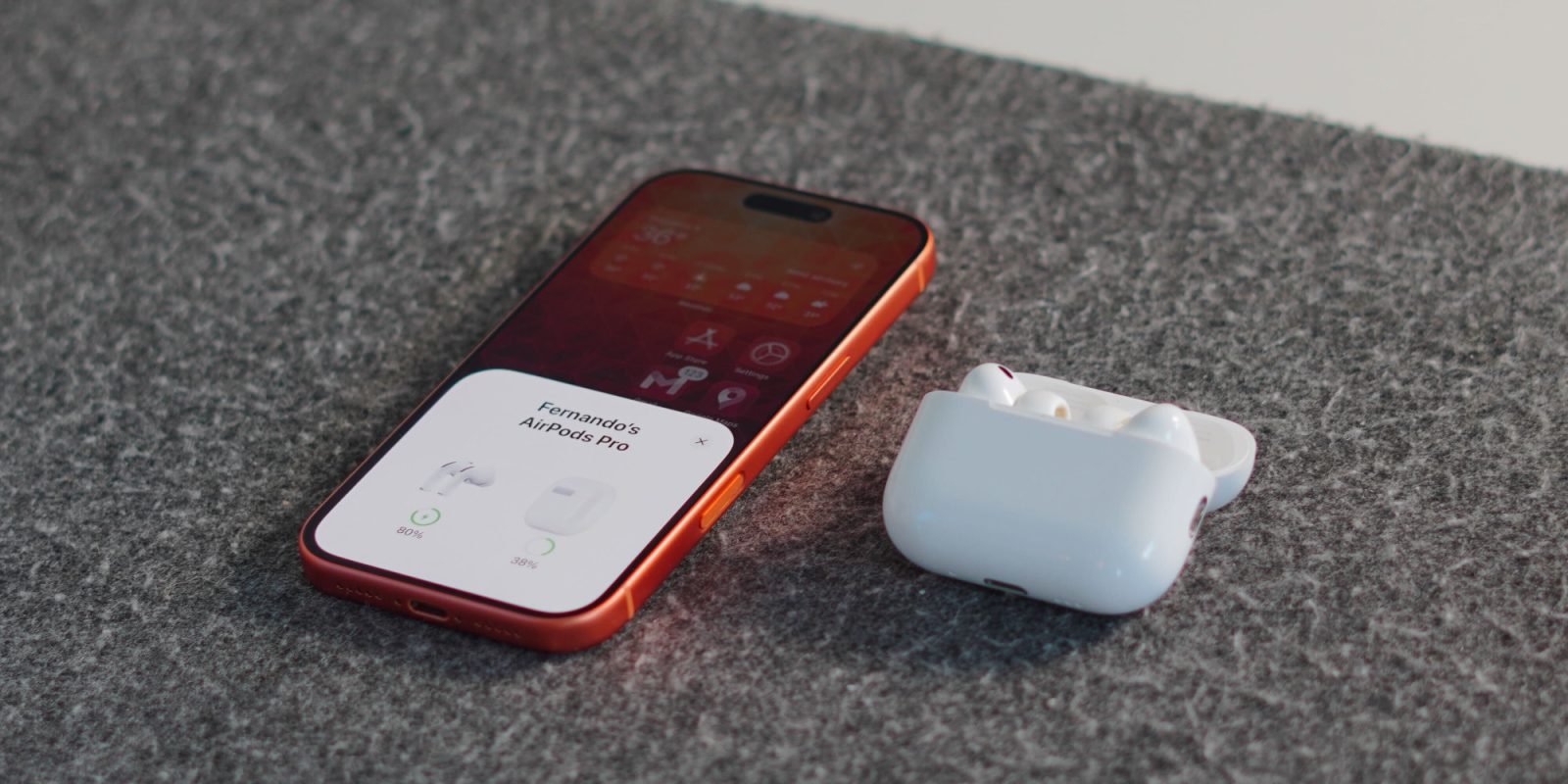
For iOS developers, this breach creates several practical concerns. Apple's tight integration between hardware and software means that leaked specifications could allow competitors to anticipate iOS feature requirements. For example, if new AirPods Pro 3 specifications were compromised, developers might gain premature insight into audio processing capabilities or sensor integrations that Apple plans to leverage in future iOS audio frameworks.
Android developers face different but equally significant implications. The mobile hardware landscape relies heavily on shared component suppliers. If Luxshare's manufacturing data for iPhone components becomes available, it could reveal:
- Chip placement and thermal management - Critical information for developers optimizing performance-intensive applications
- Battery capacity and power delivery systems - Essential for battery-efficient app development
- Display specifications - Details about screen technology that could influence UI/UX design decisions
Cross-Platform Development Considerations
The breach underscores the interconnected nature of modern mobile development. Many cross-platform tools and frameworks rely on understanding hardware capabilities to optimize performance. React Native, Flutter, and Kotlin Multiplatform developers often need to account for specific hardware features when building applications that work seamlessly across devices.
If the leaked data includes detailed specifications for upcoming iPhone models, cross-platform developers might gain advance knowledge of:
- Camera system improvements - Influencing how camera-heavy apps are designed
- Processor capabilities - Affecting computational photography and AR development
- Connectivity options - Shaping how apps handle network transitions and offline functionality
Security Vulnerabilities and Supply Chain Risks
Beyond product information, the breach potentially exposes hardware vulnerabilities that could affect mobile security. Cybersecurity experts note that attackers could use this data to:
- Identify firmware update mechanisms - Creating targeted attacks for specific device models
- Locate security-critical components - Planning supply chain attacks at the manufacturing level
- Exploit hardware-software interaction points - Finding vulnerabilities in how iOS or Android interacts with specific components
For mobile developers, this reinforces the importance of implementing robust security practices, including:
- Regular security audits for applications that interact with hardware features
- Encrypted communication between apps and device sensors
- Permission management that respects user privacy while maintaining functionality
The Broader Industry Context
Luxshare's role as a key Apple supplier means this breach affects more than just one company. The manufacturer produces iPhone, Apple Watch, and AirPods components, making it central to Apple's hardware ecosystem. This incident follows a pattern of supply chain attacks targeting technology manufacturers, highlighting the need for improved security protocols throughout the development and manufacturing process.
For developers working with hardware-dependent features, this situation emphasizes the value of abstraction layers in software design. By building applications that don't rely on specific hardware implementations, developers can maintain flexibility when hardware specifications change or are compromised.
Practical Recommendations for Mobile Developers
While the full extent of the breach remains unconfirmed, mobile developers should consider these steps:
- Review dependency chains - Ensure that any third-party libraries or SDKs that interact with hardware have strong security practices
- Implement defensive programming - Assume that hardware specifications might be publicly available and design accordingly
- Monitor official channels - Follow Apple and Android developer resources for any security advisories related to this incident
- Update security practices - Consider additional encryption and validation for apps that handle sensitive data
The Luxshare breach serves as a reminder that mobile development exists within a complex ecosystem where hardware security directly impacts software security. As the investigation continues, developers should stay informed about potential implications for their applications and the broader mobile platform landscape.
For more information about mobile security best practices, developers can reference Apple's security documentation and Android's security updates.
Comments
Please log in or register to join the discussion