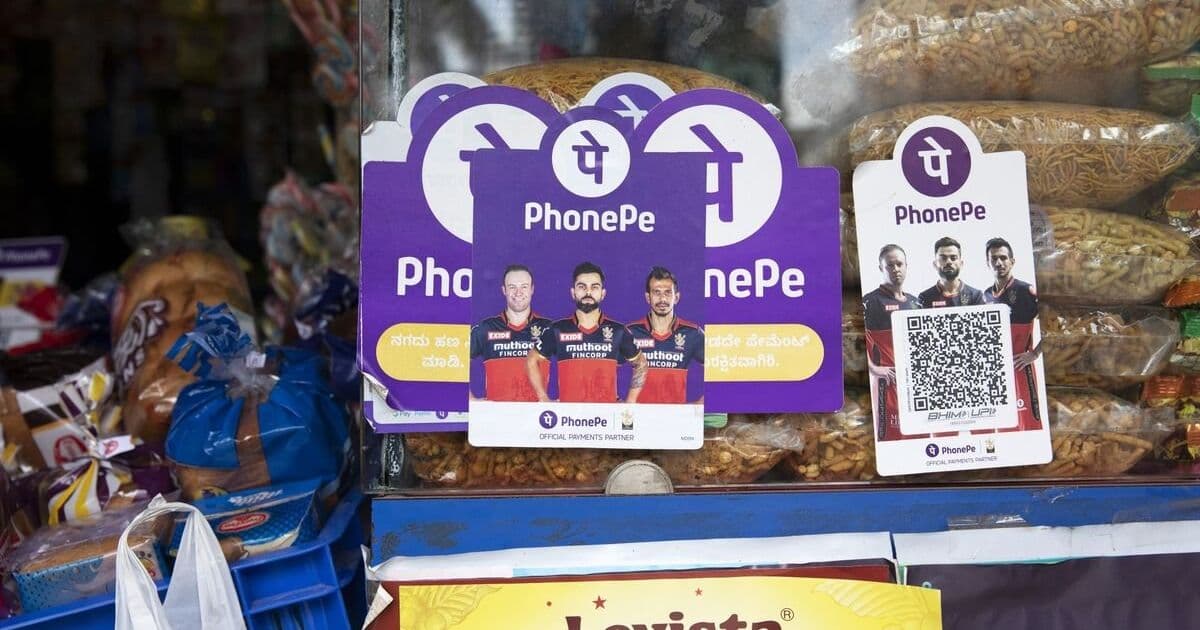
India's payments giant PhonePe has filed for an IPO, revealing strong user growth and revenue but also significant losses as it battles rivals in a hyper-competitive market.
The Indian payments landscape is about to get its most significant public listing in years. PhonePe, the digital payments company spun out from Flipkart, has filed paperwork to sell 50.7 million shares in its initial public offering. The move comes as the company reports strong user growth but also substantial losses, painting a picture of a market leader spending heavily to maintain its position.
The Numbers Behind the Filing
According to the filing, PhonePe's revenue for the first half of fiscal year 2026 reached approximately $427.5 million, marking a 22% increase year-over-year. The company now boasts 657.6 million registered users, a testament to its deep penetration in India's digital economy. However, this growth has come at a significant cost. The company reported a loss of approximately $157 million during the same period.
These figures highlight the fundamental tension in the Indian fintech space: user acquisition and retention are expensive, and even market leaders must invest heavily to stay ahead. PhonePe's loss, while substantial, is not unusual for a company at its stage of growth in a competitive market.
A Crowded and Evolving Market
PhonePe operates in one of the world's most dynamic and competitive payments markets. Its primary rival is Google Pay, which has also invested heavily in the Indian market. Additionally, the market has seen the emergence of other players like Paytm, which has faced its own challenges, and a host of smaller fintech startups. The entry of global giants like WhatsApp Pay has further intensified competition.
The Indian government's push for digital payments through the Unified Payments Interface (UPI) has been a major tailwind for all players. UPI has become the dominant method for digital transactions in India, processing billions of transactions monthly. However, this has also led to a race to the bottom on fees, putting pressure on the revenue models of payments companies.
The Path to an IPO
PhonePe's decision to go public is a significant milestone for the company and the Indian startup ecosystem. An IPO provides a liquidity event for early investors and employees, and it gives the company access to public markets for future capital. The company plans to sell 50.7 million shares, though the exact price range and valuation will be determined closer to the listing date.
The timing of the IPO is also noteworthy. The global IPO market has been sluggish in recent years, but there are signs of a recovery. A successful listing for PhonePe could pave the way for other Indian startups to consider public offerings.
What This Means for the Future
PhonePe's IPO filing offers a window into the future of digital payments in India. The company's ability to grow revenue while managing losses will be closely watched by investors. The filing also provides a benchmark for other fintech companies in the region.
For PhonePe, the IPO is not just about raising capital; it's about cementing its position as a leader in the Indian digital payments space. The company will need to continue innovating and expanding its product offerings to stay ahead of the competition. This includes areas like lending, insurance, and wealth management, where PhonePe has already started to make inroads.
The broader implications are significant. A successful PhonePe IPO could boost investor confidence in the Indian startup ecosystem, which has seen a slowdown in funding in recent years. It could also encourage more companies to consider public listings, providing a much-needed exit route for venture capital investors.
Challenges Ahead
Despite its strong user base, PhonePe faces several challenges. The Indian government has been scrutinizing the fees charged by payments companies, and there is ongoing debate about the sustainability of the current business model. Additionally, the company must navigate regulatory changes and ensure compliance with evolving data privacy and security standards.
Competition is also intensifying. Google Pay remains a formidable rival, and other players are constantly innovating. PhonePe will need to continue investing in technology and user experience to maintain its edge.
Conclusion
PhonePe's IPO filing is a significant event for the Indian fintech sector. It reveals a company that has achieved massive scale but is still navigating the path to profitability. The listing will be a test of investor appetite for Indian tech companies and could set the tone for the market in the coming years.
For PhonePe, the journey to the public markets is just beginning. The company will need to balance growth with profitability, innovate to stay ahead of competitors, and navigate a complex regulatory environment. The success of its IPO will depend on its ability to convince investors that it can build a sustainable and profitable business in one of the world's most exciting and challenging markets.
As the IPO process unfolds, all eyes will be on PhonePe and what it means for the future of digital payments in India and beyond.
Comments
Please log in or register to join the discussion