The Mecha Comet, a highly customizable open-source handheld, is now available for pre-order through a Kickstarter campaign, offering a unique blend of DIY flexibility and ready-to-use functionality for developers and tinkerers.
The Mecha Comet has officially opened for pre-orders, and this is one of those rare devices that genuinely bridges the gap between hardcore DIY electronics and consumer-friendly handhelds. After covering the initial announcements, seeing the final product specs and pricing makes it clear that Mecha Systems is targeting a specific niche: users who want the freedom to modify hardware and software without necessarily needing an electrical engineering degree.
What's New: A Modular Linux Handheld
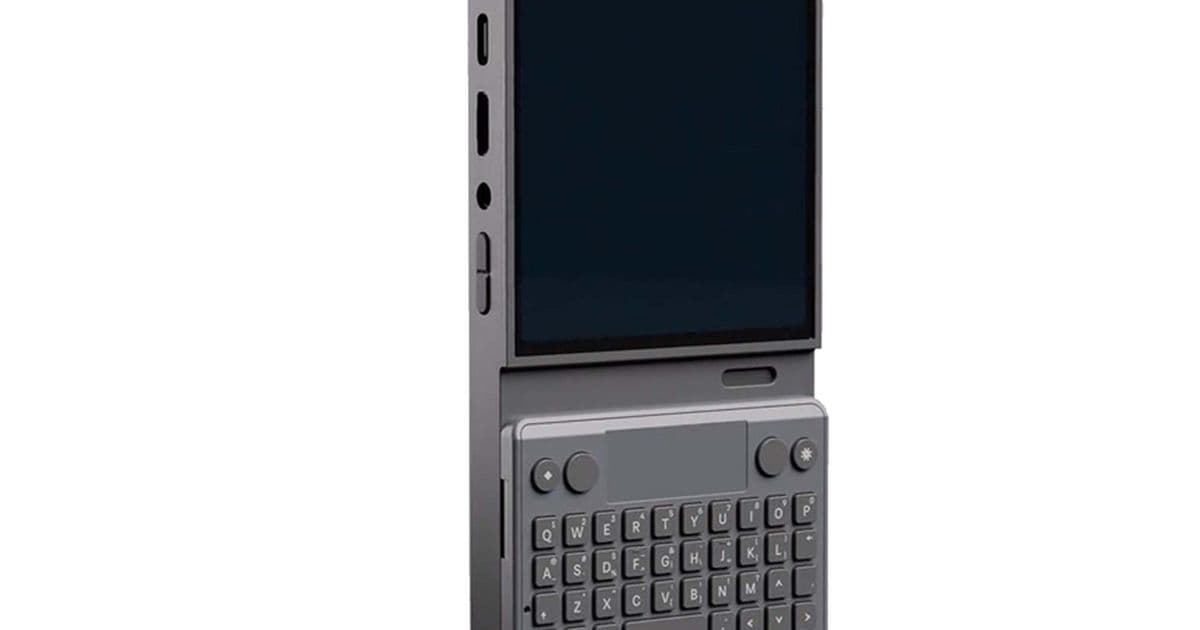
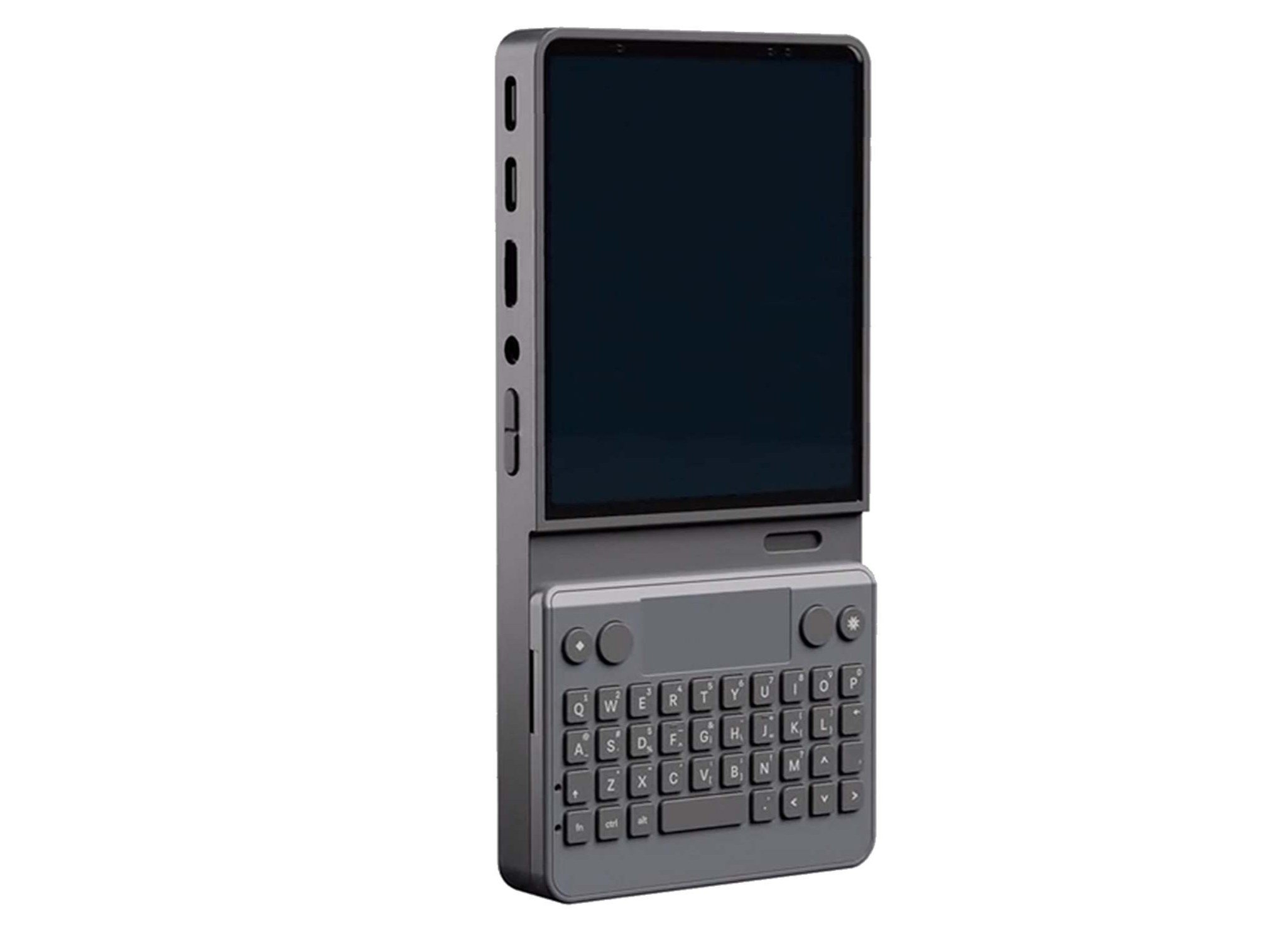
At its core, the Mecha Comet is a 3.92-inch AMOLED touchscreen device running a customized Linux distribution. The display itself is quite respectable for this category, pushing 550 nits of brightness and a sharp 441 PPI pixel density. That's significantly brighter than most budget handhelds and should make outdoor use viable. The device also includes HDMI output, allowing you to connect to external displays for a desktop-like experience.
The real story here is the hardware architecture. Buyers can choose between two NXP processors: an i.MX8M with four Cortex-A53 cores or the more powerful i.MX 95 with six Cortex-A55 cores. Memory configurations range from 2GB to 8GB of RAM, with eMMC storage options of 64GB or 128GB. This isn't flagship smartphone territory, but it's more than adequate for Linux applications, light development work, and retro gaming.
Connectivity is where the Comet truly stands out. Beyond the expected WiFi and Bluetooth, there's a motion sensor, a camera, and two USB-C ports (one dedicated for charging the 4,100 mAh battery). But the centerpiece is the M.2 3042 port. This isn't just for storage expansion - it's designed to accept a variety of modules including mobile modems, NPUs for AI acceleration, SSDs, or even LoRaWAN gateways for IoT applications.
How It Compares: Freedom vs. Risk
The Mecha Comet enters a crowded market of Linux handhelds, but it carves out a distinct position. Unlike the Raspberry Pi ecosystem, which requires separate peripherals and careful assembly, the Comet is a complete, portable device out of the box. Yet unlike consumer products like the Anbernic RG35XX or Odin 2, it offers genuine hardware expandability and complete software control.
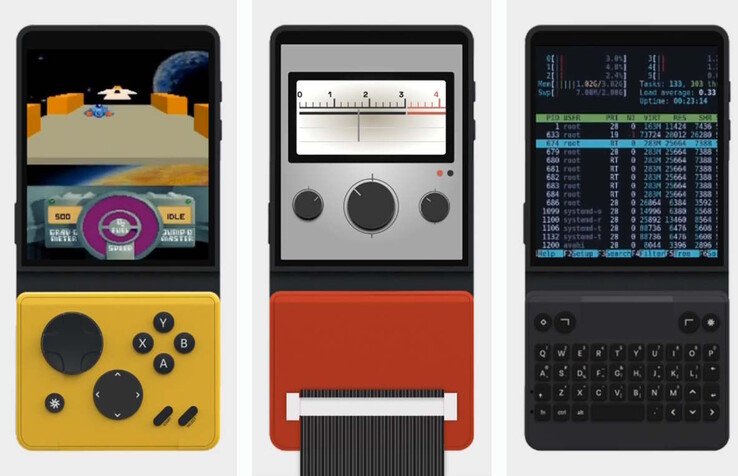
The device supports a GPIO header module, which opens the door to custom electronics projects. You could theoretically wire up external sensors, build a custom controller, or interface with industrial equipment. This level of hardware access is virtually nonexistent in commercial handhelds.
On the software side, the customized Linux distribution means you're not locked into any particular ecosystem. You can install standard Linux packages, develop your own applications, or completely replace the OS. The open-source nature extends to both the hardware schematics and software stack, making this one of the most transparent devices in its category.
However, there's a significant caveat: this is a Kickstarter campaign with delivery scheduled for May 2026. Crowdfunding always carries risk, and the timeline is ambitious. The gap between pre-order and delivery is over a year, which is substantial even for hardware projects. Backers need to understand that delays, spec changes, or even project failure are real possibilities.
Pricing starts at $189 for the base model, which is competitive for what you're getting. A comparable Raspberry Pi setup with screen, battery, and case would cost roughly the same, but wouldn't offer the same level of integration or portability. The crowdfunding discount makes the entry point even more attractive, though the final retail price hasn't been announced.
Who It's For: Three Distinct User Profiles
The Mecha Comet makes sense for three specific groups, and it's important to understand which one you fall into before backing.
Developers and Hardware Hackers will find this device immediately valuable. The combination of a ready-to-use form factor with genuine expansion capabilities means you can prototype IoT devices, test embedded systems, or build portable development environments. The M.2 port and GPIO header provide hardware-level access that's rare in a complete product. If you're building something that needs cellular connectivity, AI acceleration, or custom sensors, the Comet offers a faster path from concept to working prototype than starting from scratch.
Linux Enthusiasts who want a portable, customizable device will appreciate the software freedom. Unlike Android-based handhelds that require workarounds for proper Linux installation, the Comet runs Linux natively. You can use it as a portable terminal, a lightweight development machine, or a platform for experimenting with different distributions. The AMOLED screen and compact form factor make it genuinely usable as a pocket computer.
Retro Gamers should approach this with caution. While the Comet can certainly run emulators, it's not optimized for gaming in the way that devices like the Retroid Pocket or Odin 2 are. The processors are more suited to general computing than high-performance gaming, and there's no dedicated gaming controls or software ecosystem. You'd be building your own gaming setup rather than buying a turnkey solution.

The Bottom Line
The Mecha Comet represents an interesting experiment in open hardware. It asks: can you sell a DIY device as a consumer product without compromising the flexibility that makes DIY appealing? The answer seems to be yes, but with the understanding that you're still buying into a project, not a finished product.
For $189, you're getting hardware that would cost significantly more to build yourself, plus the convenience of a cohesive design. The expandability through the M.2 port and GPIO header means the device can evolve with your needs. But the 14-month delivery timeline and crowdfunding risks mean this isn't for everyone.
If you're comfortable with Linux, interested in hardware development, and willing to accept the uncertainties of crowdfunding, the Comet offers something genuinely unique. If you just want a reliable handheld for gaming or media consumption, you're better served by established products with proven track records.
The campaign is live on Kickstarter now, with early bird pricing available for backers who move quickly. Delivery is slated for May 2026, though as with any hardware project, that timeline should be considered optimistic rather than guaranteed.
Editor's Note: Silvio Werner, the original author, has over a decade of technology journalism experience and currently focuses on mini PCs and single-board computers. This article was translated by Jacob Fisher, who has been covering tech for Notebookcheck since 2022.
Comments
Please log in or register to join the discussion