
Component shortages and production cuts are reversing typical seasonal TV price drops, with laptop displays and memory modules likely facing similar cost increases.
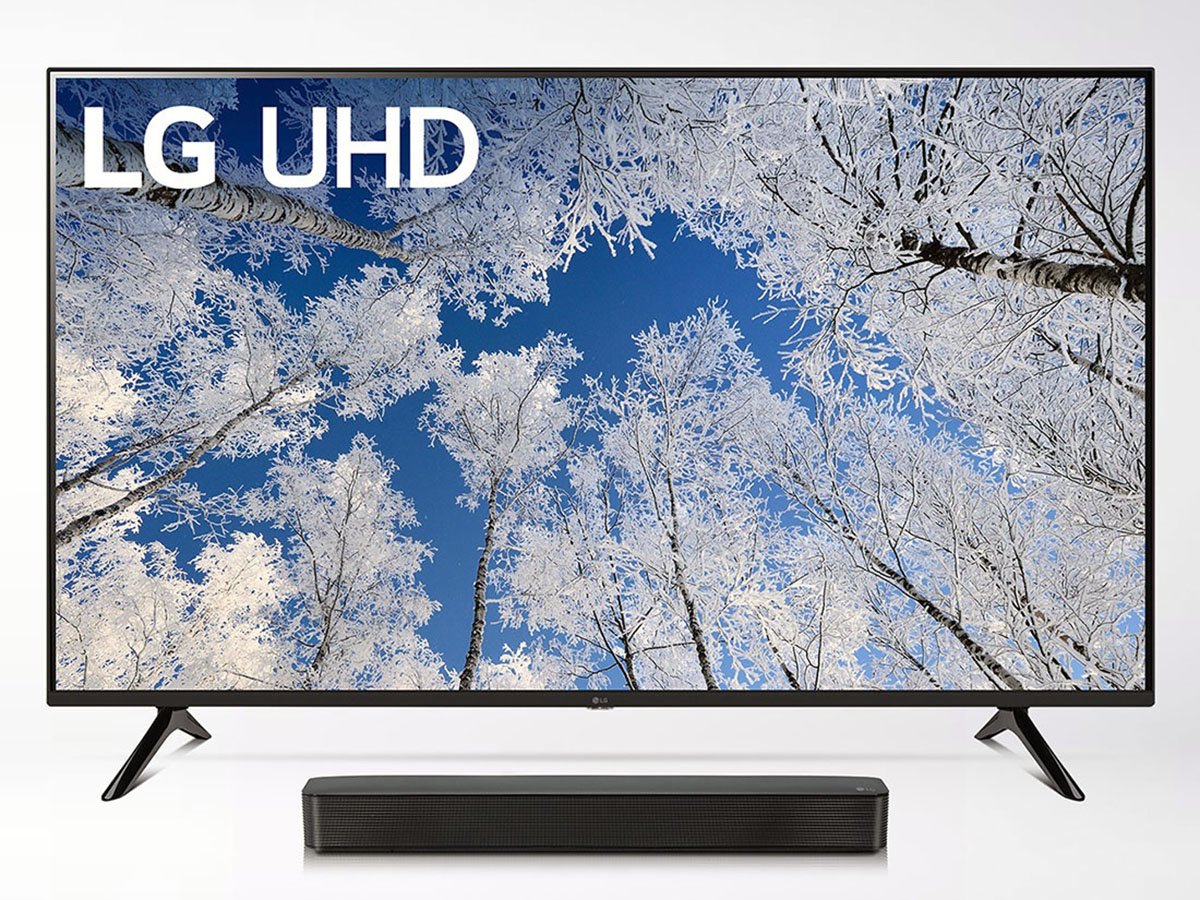
Electronics buyers anticipating seasonal price drops on TVs and laptops face a reversal this year. While Samsung and LG recently unveiled 2026 OLED TVs at CES, industry analysts report component shortages will instead drive prices upward across consumer electronics. This shift stems from a convergence of production constraints and surging demand for key hardware.
Display panels and memory modules sit at the center of the shortage. Over 95% of TVs sold globally use LCD panels, which face constrained production as Chinese factories reduce output during seasonal idling periods. Simultaneously, manufacturers are stockpiling memory components ahead of anticipated price hikes. Samsung's Q4 earnings underscore this trend, with record profits of $13.8 billion driven by memory sales for devices ranging from smartphones to data center hardware.
Supply chain analysis indicates panel supply will decline twice as fast as demand through Q1 2026. This imbalance already affects premium displays like Samsung's 65-inch S90F QD-OLED TV, which maintains a $1,500 price despite typical seasonal discounts. Crucially, these components directly impact laptop manufacturing. Displays and memory modules share supply chains with TVs, meaning laptops using similar OLED/LCD panels and DDR5/DDR6 memory will likely see comparable price pressure.
Comparing to previous component shortages reveals key differences. While past memory crises saw price stabilization after inventory corrections, current AI-driven demand creates sustained pressure. For buyers, this means immediate purchases may avoid near-term hikes, but those needing laptops or TVs for non-urgent projects could benefit from waiting for potential Q2 inventory adjustments. Budget-conscious shoppers should prioritize last-gen models where available, as newer devices will absorb the brunt of component cost increases.
Comments
Please log in or register to join the discussion