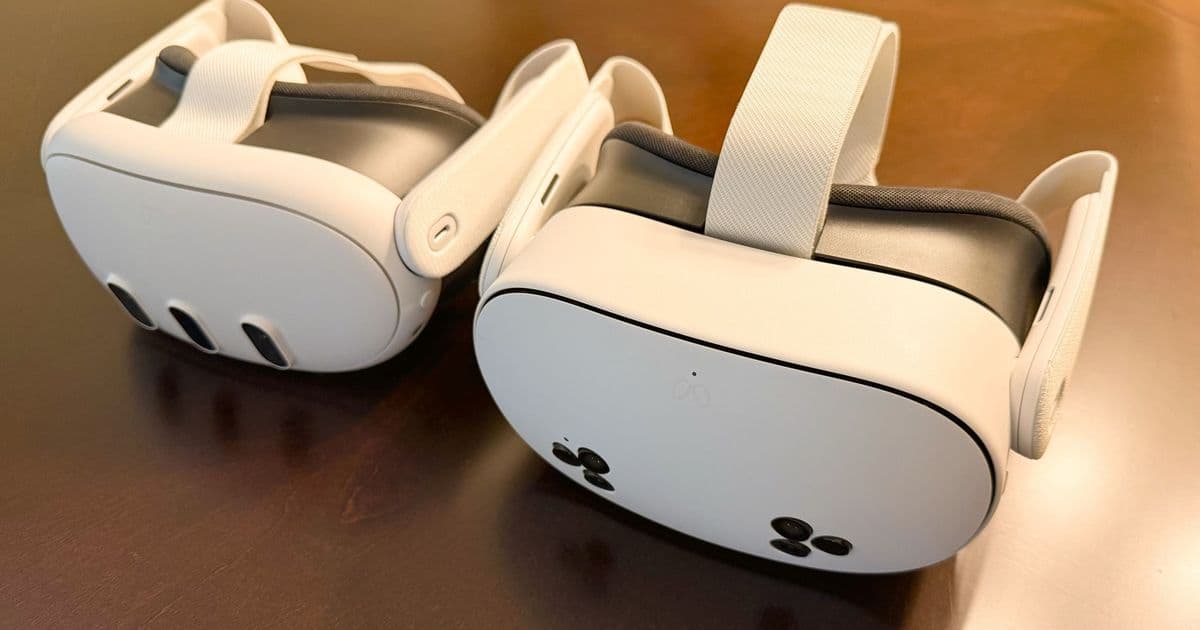
Meta announces significant price increases for Quest 3 and 3S headsets due to AI-driven RAM shortages, raising concerns about VR accessibility and market sustainability.
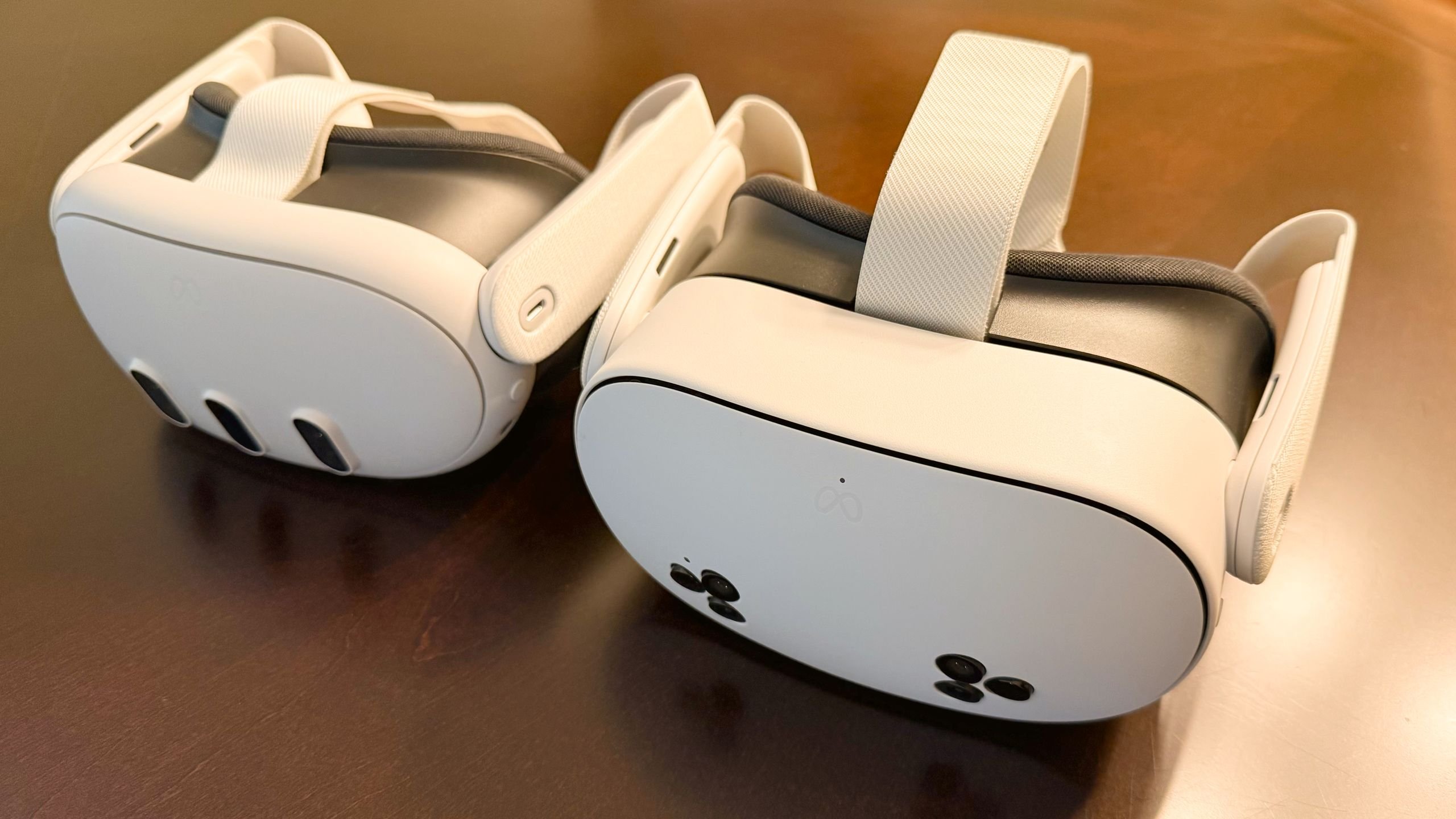
The virtual reality industry faces a new challenge as Meta announces substantial price increases for its Quest headset lineup, citing AI-driven component shortages as the primary culprit. Starting April 19, the 128GB Quest 3S will jump from $300 to $350, while the 512GB model increases from $400 to $450. The Quest 3 itself sees the steepest hike, climbing from $500 to $600 for its 512GB configuration.
Meta attributes these increases to "significantly" rising costs in building high-performance VR hardware, specifically pointing to surging RAM prices. The AI boom has created unprecedented demand for specialized data center memory, effectively competing with consumer-grade RAM production lines. This shortage affects not just Meta but the entire consumer electronics sector.
The AI Squeeze on Consumer Hardware
The connection between AI data centers and VR headsets might seem tenuous, but the supply chain dynamics reveal a direct link. High-bandwidth memory (HBM) and other specialized DRAM modules used in AI accelerators require the same manufacturing processes as the LPDDR memory found in mobile VR devices. As tech giants like Meta, Microsoft, and Google compete for AI dominance, their massive data center expansions have created ripple effects throughout the semiconductor industry.
Meta finds itself in a particularly complex position. The company has invested billions in AI infrastructure while simultaneously championing VR through its Reality Labs division. This dual focus creates internal competition for the same critical components. The price increases suggest that even with Meta's vast resources and vertical integration, the AI-driven demand for memory has outpaced supply capabilities.
Market Context and Historical Perspective
These price adjustments represent more than simple inflation adjustments. The Quest 3 launched at $650 in 2023 before seeing aggressive discounts to $500, making the return to $600 feel like a market correction rather than a new pricing strategy. However, for consumers, this represents a significant barrier, especially considering the Quest 3's age in the rapidly evolving VR market.
The timing is particularly notable given Meta's recent strategic shifts. The company recently shuttered its "Horizon Worlds" app after years of investment and promotion by CEO Mark Zuckerberg as the metaverse's flagship experience. This move sparked concerns about Meta's commitment to VR, though the company maintains its long-term investment in the technology.
Industry-Wide Impact
Meta isn't alone in facing these challenges. Sony recently raised PlayStation 5 prices by up to $150 in certain markets, citing similar supply chain pressures. The Steam Deck's planned early 2026 release has been delayed indefinitely due to component shortages, highlighting how pervasive these issues have become across the gaming and computing sectors.
Implications for VR Adoption
The price increases could significantly impact VR adoption rates at a crucial time for the industry. Virtual reality has been working to move beyond early adopters and into mainstream consumer markets. Higher price points create additional barriers to entry, potentially slowing the growth trajectory that companies like Meta have been working to achieve.
For developers and content creators, these changes could affect the economics of VR development. A smaller potential user base might reduce the return on investment for creating VR-specific content, creating a feedback loop that could slow innovation in the space.
Looking Forward
Meta's commitment to "a long-term roadmap full of new hardware and experiences" suggests these price increases are viewed as temporary measures rather than fundamental shifts in VR strategy. However, the underlying supply chain issues tied to AI demand may persist for years as the industry continues to expand data center capabilities.
The situation highlights the interconnected nature of modern technology markets, where advances in one area (AI) can create unexpected challenges in seemingly unrelated sectors (consumer VR). As companies navigate these complex dynamics, consumers may need to adjust expectations regarding pricing and availability of cutting-edge technology products.
The VR industry now faces a critical juncture. Will these price increases prove to be a temporary response to supply chain disruptions, or do they signal a new reality where advanced consumer electronics must compete directly with enterprise AI infrastructure for critical components? The answer will likely shape the trajectory of virtual reality adoption for years to come.
Comments
Please log in or register to join the discussion