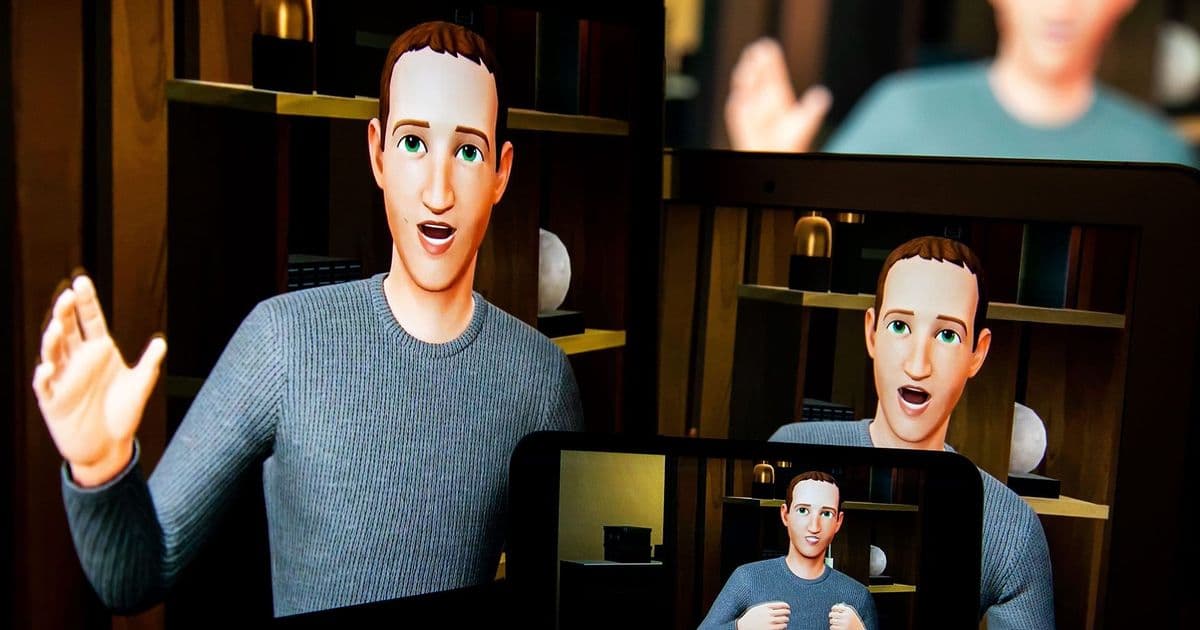
Meta is developing a photorealistic 3D AI clone of Mark Zuckerberg that can interact with employees, trained on his public statements and mannerisms as part of its multibillion-dollar push into personal superintelligence.
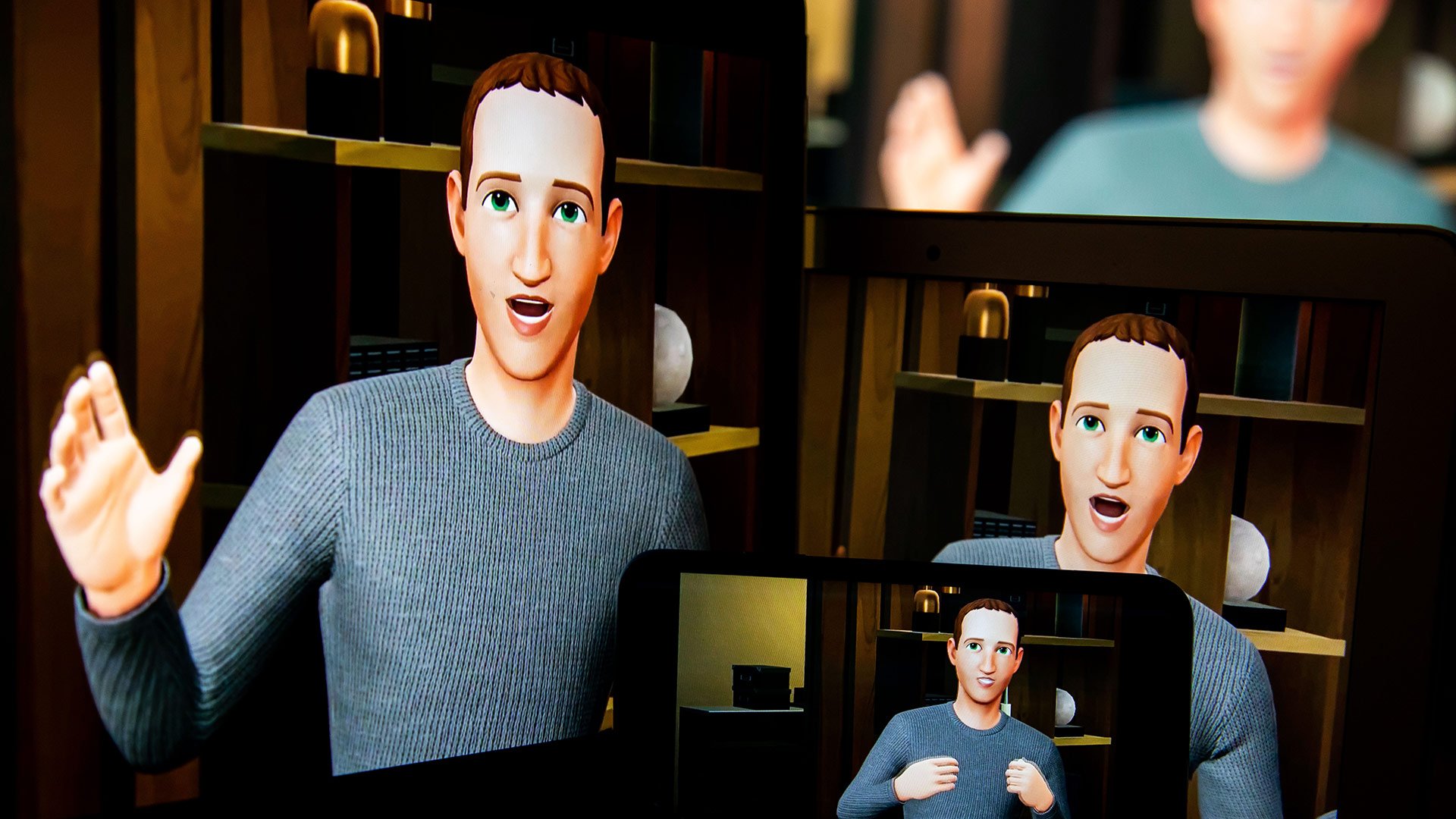
Meta is developing a photorealistic 3D AI clone of Mark Zuckerberg that could interact with employees on his behalf, according to three unnamed insiders cited by the Financial Times. The project represents a significant pivot from Meta's earlier work on a generic 'CEO agent' and now prioritizes creating a digital twin of the company's founder and CEO.
(Image credit: Getty Images)
The AI replica, which Meta has been training with Zuckerberg's direct involvement, goes beyond simple text generation. The system has been trained on Zuckerberg's publicly available statements, recent business strategy thinking, and personal mannerisms to create what insiders describe as a convincing digital doppelgänger. The clone can reportedly respond in Zuckerberg's voice and replicate his communication style, potentially allowing the CEO to maintain a presence across Meta's vast operations without being physically present.
This initiative sits within Meta's broader multibillion-dollar push into what it calls 'personal superintelligence'—a strategic effort to compete with industry leaders like OpenAI and Google in the rapidly evolving AI landscape. The company has been encouraging employees to adopt AI tools and agentic systems, including those based on its OpenClaw framework, as part of this transformation.
The decision to prioritize a Zuckerberg clone over the previously planned generic CEO agent suggests a top-down commitment to AI integration that extends to the highest levels of corporate leadership. By 'dogfooding' its own AI technology at the executive level, Meta appears to be signaling confidence in its capabilities while potentially setting a precedent for how AI could augment executive functions across the tech industry.
However, Meta's journey into AI character development hasn't been without challenges. The company previously had to restrict access to its AI Studio character workshop in early 2026 after users began generating overtly sexualized characters, highlighting the difficulties in controlling how such technology might be deployed or misused.
The implications of an AI-powered executive presence are profound. If successful, the Zuckerberg clone could handle routine communications, provide consistent feedback across the organization, and maintain leadership visibility without the constraints of human availability. This raises questions about authenticity in leadership, the nature of executive decision-making, and how employees might respond to interacting with an AI representation of their CEO.
From a technical perspective, creating a convincing AI clone requires sophisticated integration of multiple technologies: 3D modeling for photorealistic animation, natural language processing trained on specific behavioral patterns, voice synthesis that captures unique speech characteristics, and real-time interaction capabilities. The fact that Zuckerberg himself is personally involved in training and testing suggests the company recognizes the importance of getting these details right.
The project also reflects a broader trend in Silicon Valley where companies are exploring how AI can extend human capabilities rather than simply replace them. Rather than automating away executive functions entirely, Meta appears to be pursuing augmentation—using AI to multiply the reach and consistency of leadership while keeping human judgment at the core of critical decisions.
Whether employees will embrace or be unsettled by interacting with an AI version of their famously private CEO remains to be seen. The initiative could be viewed as innovative leadership or as a step toward depersonalizing corporate culture. Either way, Meta's willingness to put its founder's digital likeness at the forefront of its AI strategy signals how seriously the company views artificial intelligence as central to its future competitiveness.
As the technology continues to evolve, the Zuckerberg AI clone may serve as a test case for how AI can be integrated into executive roles across industries. The success or failure of this experiment could influence how other companies approach the question of AI-augmented leadership in the years to come.
Comments
Please log in or register to join the discussion