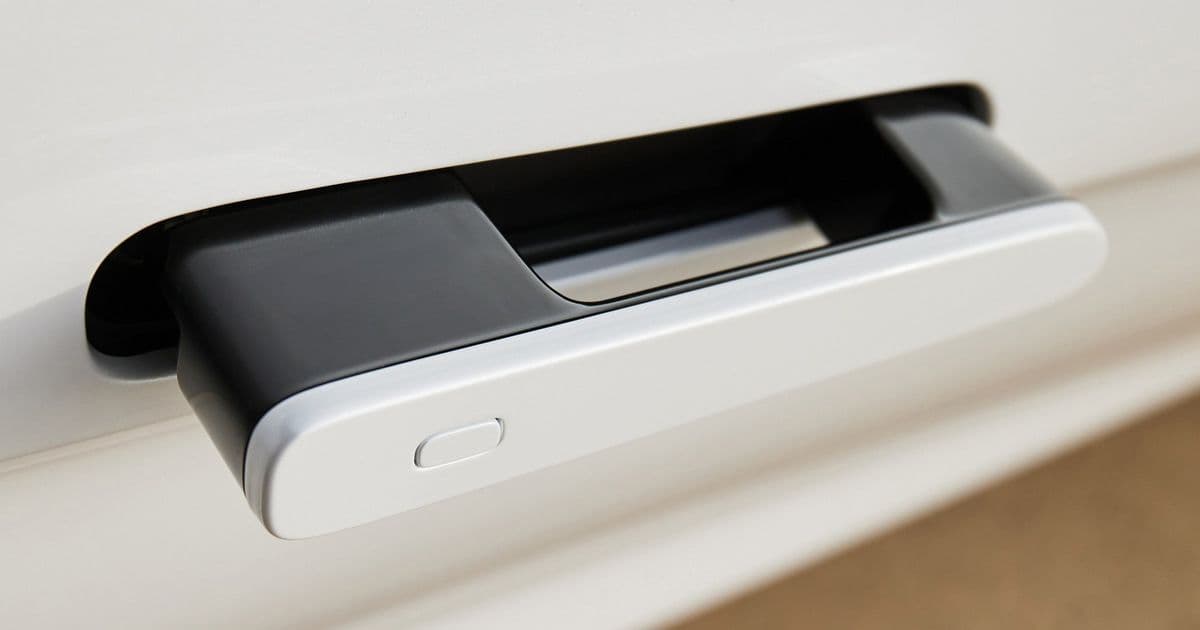
John Siracusa enumerates a set of pragmatic design rules for electric vehicles, arguing that many modern EVs replace proven mechanical solutions with unreliable electronics in the name of futurism. The checklist covers doors, charge ports, steering‑wheel controls, climate interfaces, mirrors, and other everyday features, urging manufacturers to prioritize safety, reliability, and usability over gimmicks.
The EV Stupidity Checklist
By John Siracusa – May 29 2026
Automobiles have been refined for more than a hundred years. Seats, doors, pedals, steering wheels, mirrors—these basic components have reached a level of reliability that most drivers take for granted. When the industry shifted toward electric propulsion, a wave of novelty swept over the cabins, replacing many of those time‑tested parts with electronic tricks that often make the vehicle less usable, less safe, and more expensive to maintain.
The early 2000s saw Tesla’s “futuristic” styling become a marketing necessity. Flush door handles that extend only when a sensor detects a foot, sprawling touch‑screen dashboards, and camera‑based mirrors all promised a sleek, high‑tech experience. Yet a decade later the novelty has worn thin, and the trade‑offs are becoming hard to ignore. Below is a checklist that distills the essential, common‑sense requirements for any new car—EV or otherwise.
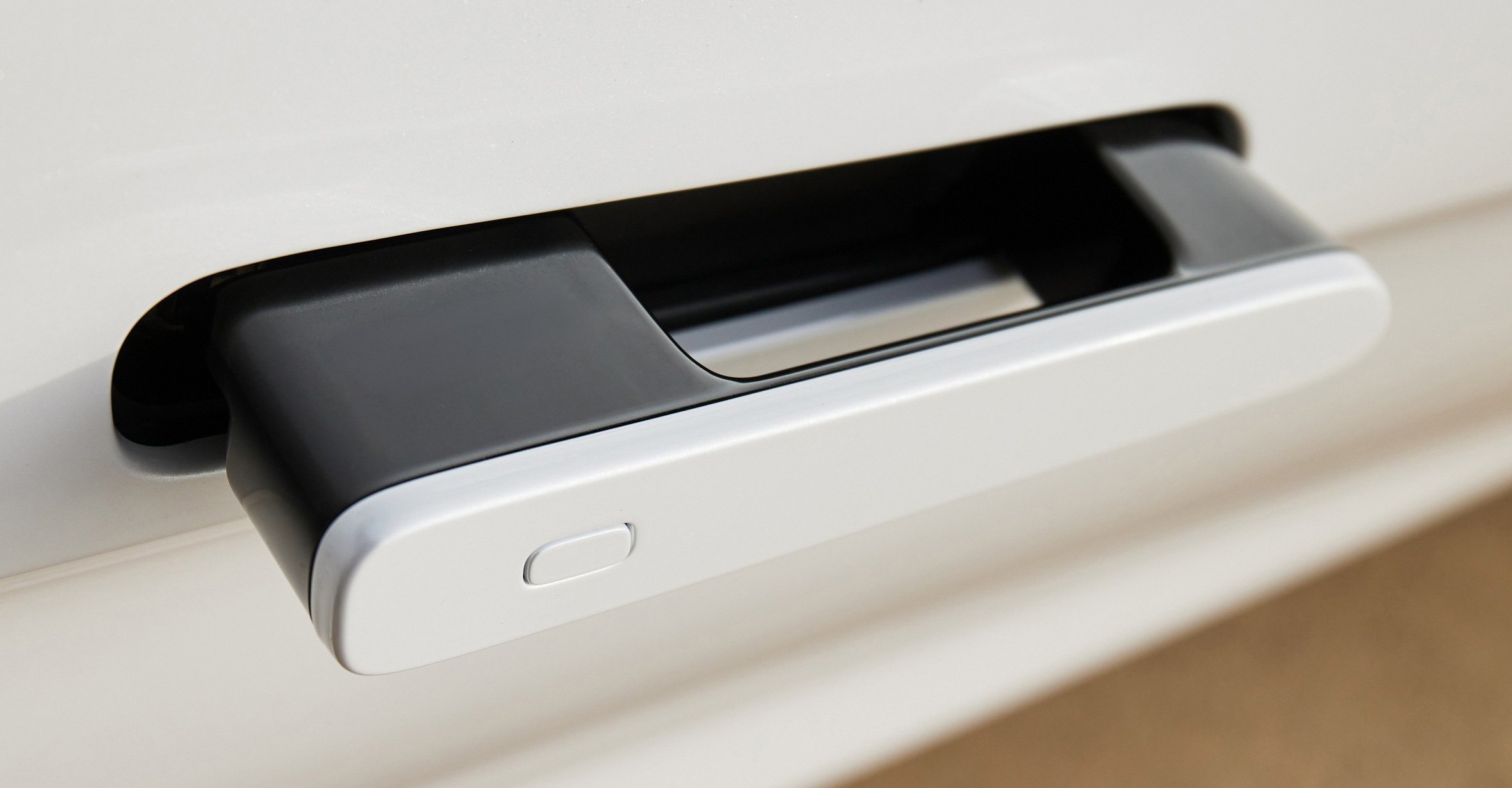
1. Exterior Door Handles Must Be Immediately Usable
- Physical affordance – A driver should see a protruding handle and be able to pull it without waiting for a sensor to activate a motor. If a handle also triggers an electronic latch, pulling harder should still open the door mechanically.
- Reliability – Mechanical linkages have survived for generations; an electric motor that fails in cold weather leaves the occupant stranded.
2. Charge‑Port Door Should Be Mechanical or Hybrid
- Simple latch – The small door covering the charging inlet should open with a lever or button that directly moves the latch. If an electronic actuator is added, it must have a manual backup.
- Cost vs. benefit – The added “wow factor” of a motorized flap does not outweigh the risk of a failed charge‑port when the vehicle needs power the most.
3. Turn‑Signal Stalk Remains the Best Choice
- Consistent placement – A lever on the steering column has been the driver’s expectation for decades. Moving the control to a button on the wheel forces the driver to glance down, increasing reaction time.
- Tactile feedback – A stalk provides a distinct click that can be felt without looking, essential for safe lane changes.
4. Physical Buttons on the Steering Wheel
- Avoid touch‑sensitive pads – A finger brushing the wheel should not accidentally engage a function. Dedicated, raised buttons let the driver locate them by feel.
- Durability – Mechanical switches survive the vibration and temperature extremes typical of a vehicle interior.
5. Climate Controls Must Be Physical
- Fixed location – Temperature and fan‑speed knobs or sliders should stay where drivers have learned to find them. A touch‑screen that changes layout based on software updates forces the driver to look away from the road.
- Immediate response – A tactile control provides instant feedback; a screen may lag, leading to confusion in hot weather.
6. Vent Direction Controls Should Be Manual When Reachable
- Direct manipulation – For vents within arm’s reach, a lever or rotary dial lets the driver point the airflow without navigating menus.
- Electronic assistance only for remote vents – Actuators can be used for rear‑seat or trunk vents that the driver cannot touch directly, but the primary control remains mechanical.
7. Glove‑Box Must Open with a Simple Lever
- No screen‑only releases – A glove box that opens only after selecting an option on the central display adds unnecessary steps and creates a single point of failure.
- Mechanical latch – A small pull‑tab or button that directly releases the latch is cheap, reliable, and instantly understandable.
8. Real Mirrors Over Screens
- Dynamic range – Current displays cannot reproduce the full contrast of a real mirror, especially in bright sunlight or at night.
- Focus distance – Drivers shift focus from the road to a screen a few feet away, then back to the road, which can delay reaction time. A true mirror lets the eyes stay at a consistent distance.
- Hybrid approach – Adding a camera feed as an optional overlay is fine, but it must never replace the physical mirror.
9. Rear Window and Side‑View Mirrors Remain Mandatory
- Legal requirements – In the United States side‑view mirrors are still required, and many markets expect a rear window.
- Human perception – A glass pane provides depth cues that a flat screen cannot replicate, making lane‑keeping and parking more intuitive.
Implications for the Industry
If manufacturers adopt this checklist, the immediate benefit will be a reduction in warranty claims related to door‑handle failures, charge‑port malfunctions, and touchscreen glitches. More importantly, drivers will experience a vehicle that feels familiar, reducing the cognitive load required to operate it safely. The cost savings from eliminating unnecessary motors and sensors can be redirected toward battery efficiency or range improvements—areas that truly matter to consumers.
The checklist also offers a roadmap for regulatory bodies. By codifying the requirement for mechanical redundancies in critical systems, safety agencies can ensure that the push for “futuristic” aesthetics does not compromise occupant protection.
Counter‑Perspectives
Some designers argue that full electronic integration enables over‑the‑air updates, allowing features to evolve after purchase. They claim that a fully digital interior reduces part count, simplifying manufacturing. While these points have merit, they do not address the core issue: a driver cannot wait for a software patch when a door will not open in freezing weather. The optimal solution is a hybrid approach—mechanical fundamentals paired with optional digital enhancements.
Conclusion
The EV boom has produced many exciting innovations, but it has also encouraged a disregard for the simple, proven mechanisms that keep drivers safe and comfortable. By adhering to the checklist above, automakers can restore reliability without sacrificing the benefits of electrification. The next generation of cars should feel both modern and trustworthy—a vehicle that looks forward while standing firmly on the lessons of the past.
Comments
Please log in or register to join the discussion