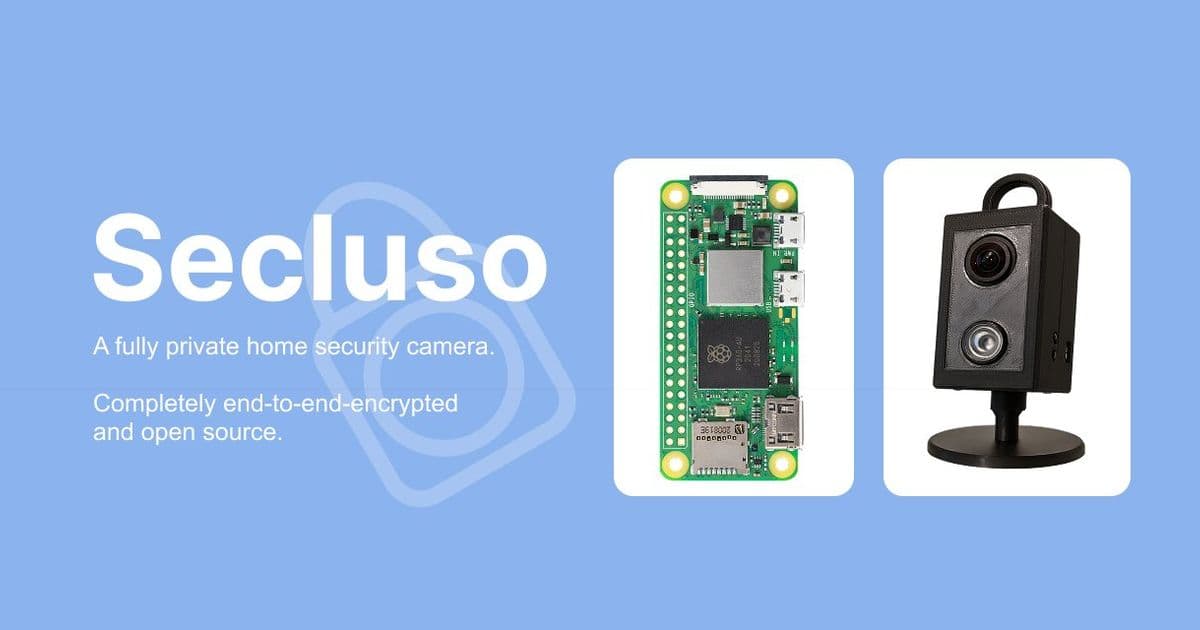
A new open-source home security system for Raspberry Pi promises private surveillance with encrypted remote access, eliminating the privacy concerns of cloud-based alternatives.
The growing demand for home security solutions that respect user privacy has found an innovative answer with Secluso, a DIY home security camera system built specifically for Raspberry Pi. Developed by Secluso, Inc., this project offers end-to-end encrypted remote access, allowing users to monitor their homes without surrendering footage to cloud providers.
At its core, Secluso addresses a fundamental problem with modern home security systems: the trade-off between convenience and privacy. Traditional security cameras often require cloud storage, creating potential vulnerabilities and privacy concerns. Secluso keeps footage local and encrypted, giving users complete control over their surveillance data.
"We wanted to create a security system that doesn't compromise privacy," explains Ardalan Amiri Sani, UC Irvine professor and co-founder of Secluso. "Most people don't realize that their security footage could be accessed by third parties or potentially used in ways they never intended."
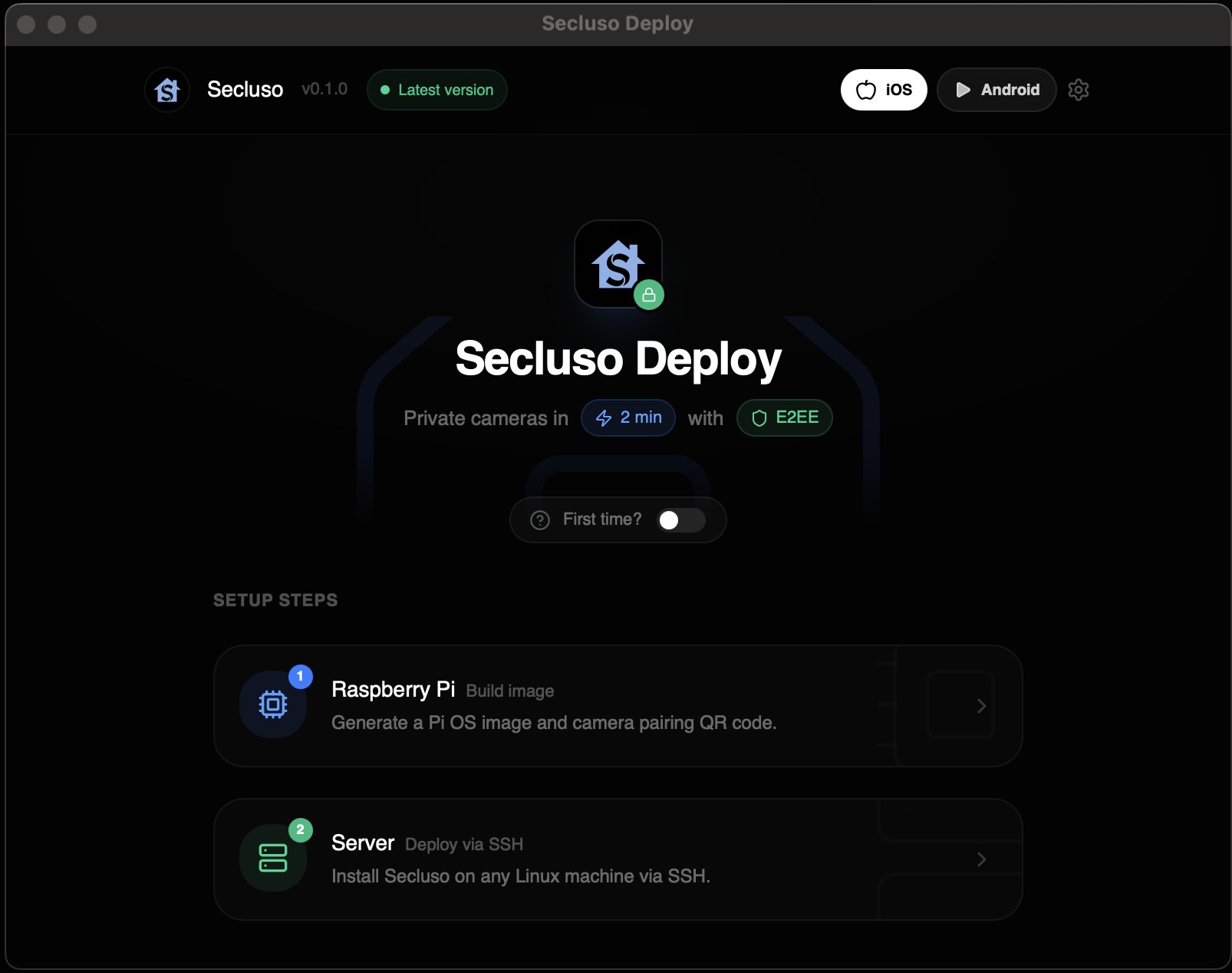
The system features a straightforward setup process that takes approximately five minutes using the Secluso Deploy tool. This utility handles image building, device pairing, and relay setup, making the technical aspects accessible even to those with limited technical expertise.
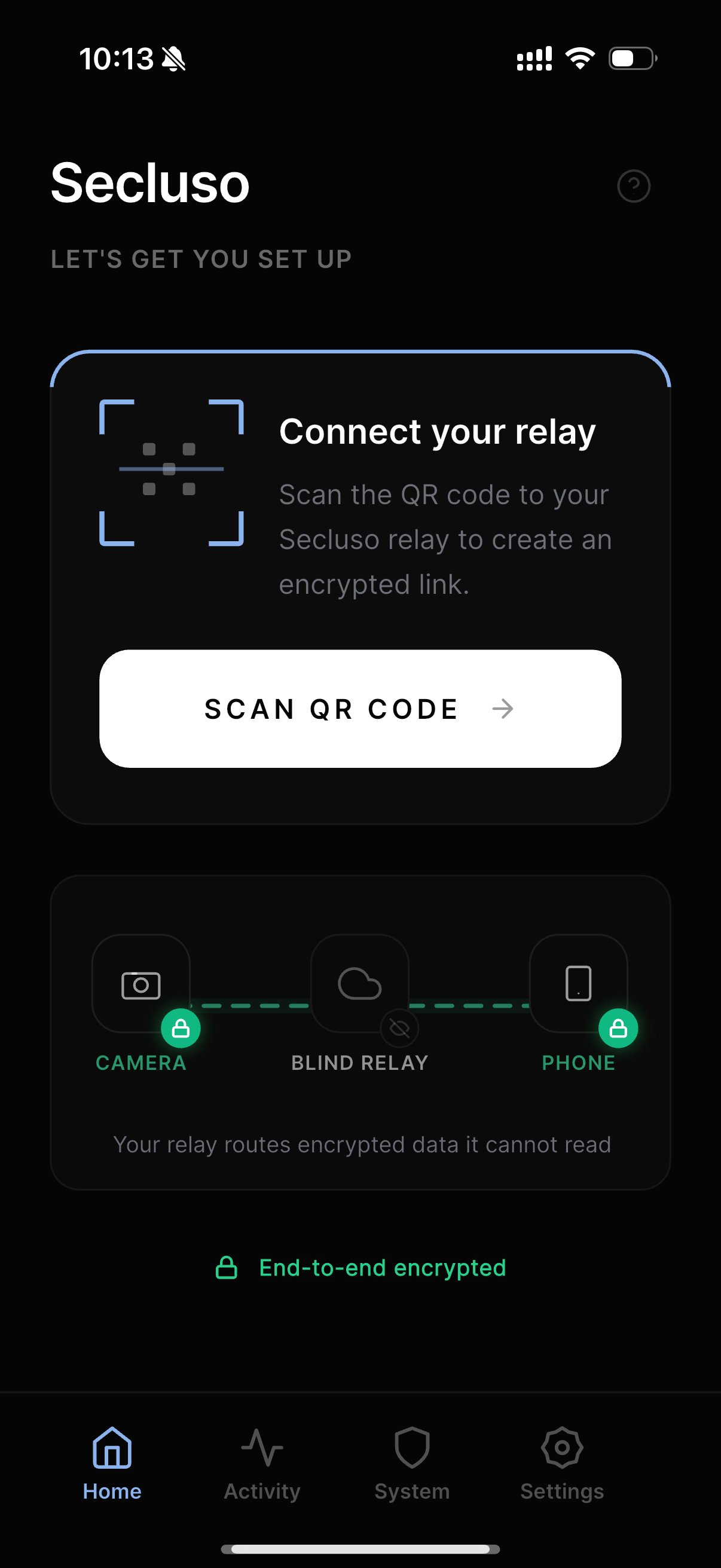
Secluso's technical architecture distinguishes it from other security solutions. It utilizes an untrusted-relay design that maintains security even when connecting through potentially compromised servers. The system implements forward secrecy, ensuring that past communications remain secure even if the current encryption key is compromised.
The project's open-source nature allows users to inspect the code, self-host the system, and contribute to its development. All components—including Secluso OS, the deploy tool, runtime binaries, and the Android mobile app—are fully reproducible, enabling users to verify that the distributed binaries match the public source code.
"Transparency is crucial for security," notes John Kaczman, Secluso co-founder and open source enthusiast. "By making everything reproducible and open source, we allow the community to scrutinize our work and help us identify potential issues."
The system requires minimal hardware: a Raspberry Pi Zero 2W, a compatible camera module (such as the Raspberry Pi Camera Module V1 or V2 with OV5647 or IMX219 Sony sensors), and either a Linux VPS for relay hosting or the option to use free beta relay hosting provided by the development team during testing.
After setup, users can monitor their homes through the mobile application available for both Android and iOS platforms. The app allows users to check in remotely, review recent events, and view encrypted clips from anywhere.
While Secluso doesn't currently disclose funding details, the project represents a significant entry into the privacy-focused home security market. The founders' backgrounds—spanning computer security, privacy research, and open-source development—position the project to address both technical and ethical concerns in surveillance technology.
For those interested in implementing Secluso, the project provides comprehensive documentation, including a Build Your Own Guide with hardware suggestions and setup instructions. The project also maintains a detailed security model and vulnerability reporting procedures.
As home security becomes increasingly prevalent, solutions like Secluso offer a compelling alternative that prioritizes user privacy without sacrificing functionality. The project's combination of technical robustness, accessibility, and commitment to open-source principles may well influence the direction of consumer surveillance technology.
Comments
Please log in or register to join the discussion