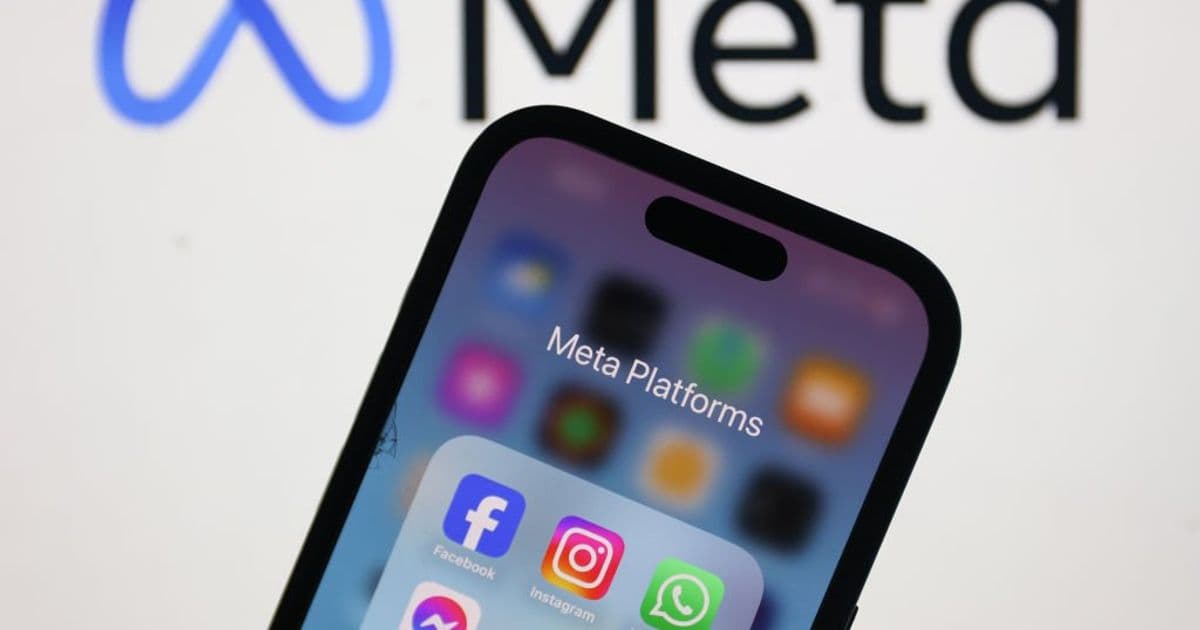
Meta is rolling out paid “Plus” plans for Instagram, Facebook and WhatsApp worldwide, while testing creator, business and AI‑focused tiers under the Meta One brand. The move reflects growing pressure to diversify earnings, but it also raises questions about user willingness to pay for features that were once free.
Meta’s recent launch of paid tiers for its three flagship apps marks a noticeable pivot in the company’s monetisation strategy. By offering Instagram Plus, Facebook Plus and WhatsApp Plus for a few dollars a month, Meta is trying to tap into the segment of power users who are willing to pay for extra polish and analytics. At the same time, the firm is experimenting with higher‑priced plans for creators, businesses and its AI assistant under the umbrella brand Meta One.
The trend: subscription‑first thinking in a saturated market
For years, Meta’s revenue engine has been built almost entirely on advertising. With user growth in most regions plateauing, the company’s earnings reports have shown a gradual decline in ad‑price growth, prompting executives to explore new levers. The rollout of Plus plans is a concrete step toward turning the massive active‑user base into a recurring‑revenue stream.
Evidence of this shift can be found in the feature sets announced for each plan:
- Instagram Plus – unlimited story audience lists, story‑spotlight boosts, custom app icons, and detailed story‑view analytics.
- Facebook Plus – similar social‑expression tools, plus extra reaction options.
- WhatsApp Plus – custom themes, ringtones, additional pinned chats, and premium stickers.
These perks echo the kind of value‑added services that platforms like Discord and Telegram have successfully monetised for years. Meta’s official blog post (https://about.meta.com/press/plus‑launch) frames the offering as a way to “enhance the experience for power users,” while the company’s head of product, Naomi Gleit, promises more features to be added later.
Why it matters: diversification and data‑rich products
The subscription model does two things for Meta:
- Diversifies income – Even a modest conversion rate (1‑2 % of the 3 billion‑plus monthly active users) would generate billions in annual revenue, reducing reliance on ad spend fluctuations.
- Deepens data collection – Paid tiers give Meta permission to collect richer engagement metrics (e.g., story‑rewatch counts, audience‑list usage) that can improve ad targeting and product recommendations.
Both outcomes align with Meta’s broader push into AI‑driven experiences. The company is already testing Meta One Plus ($7.99/mo) and Meta One Premium ($19.99/mo) for its AI assistant, offering higher compute limits and more advanced image‑ and video‑generation capabilities. Early testing in Singapore, Guatemala and Bolivia suggests Meta is looking for price‑sensitivity data across very different markets before a global rollout.
Counter‑perspectives: user fatigue and the risk of fragmentation
Not everyone sees the move as a win. Critics point out that many of the advertised features are already available through third‑party tools or can be replicated with creative workarounds. A Reddit thread (https://www.reddit.com/r/technology/comments/xyz) highlighted concerns that Meta could alienate users who feel forced to pay for what used to be free.
Furthermore, the introduction of multiple paid tiers—Essential ($14.99/mo) and Advanced ($49.99/mo) for creators and businesses—adds complexity to an ecosystem already crowded with verification badges, shop integrations and algorithmic reach tools. Smaller creators may find the price points prohibitive, potentially widening the gap between established influencers and emerging talent.
From a privacy standpoint, the deeper analytics promised to paying users could raise eyebrows. While Meta emphasizes that the data will be used to improve the user experience, the same metrics could be leveraged to refine ad‑targeting algorithms, blurring the line between a premium service and a more invasive data collection model.
Looking ahead: will subscriptions become the norm?
Meta’s experiment will likely be watched closely by other social platforms. If conversion rates meet internal expectations, we may see Twitter/X, Snapchat or even TikTok accelerate their own paid‑feature roadmaps. Conversely, a lukewarm response could push Meta back toward a heavier focus on AI‑driven products and the Meta One brand as the primary growth engine.
For now, the rollout provides a clear signal: the era of ad‑only monetisation at scale is ending, and large platforms are betting that a subset of their user base will pay for a more customised, data‑rich experience.
Comments
Please log in or register to join the discussion