
Microsoft's enhanced Network Operations Agent Framework introduces deeper integration with TM Forum standards, Teams/Copilot interfaces, and Foundry infrastructure to accelerate telecom operators' transition to autonomous operations while maintaining governance.
Microsoft Evolves Network Operations Agent Framework for Autonomous Telco Networks

The push toward autonomous networks has shifted from strategic ambition to operational necessity for telecom operators. Microsoft's Network Operations Agent Framework has undergone significant enhancements to address escalating challenges like 60% annual event volume growth and critical skills shortages. Version 2 incorporates learnings from Microsoft's internal NetAI implementation and field deployments with operators like Vodafone and Far EasTone Telecom.
Core Architectural Shifts
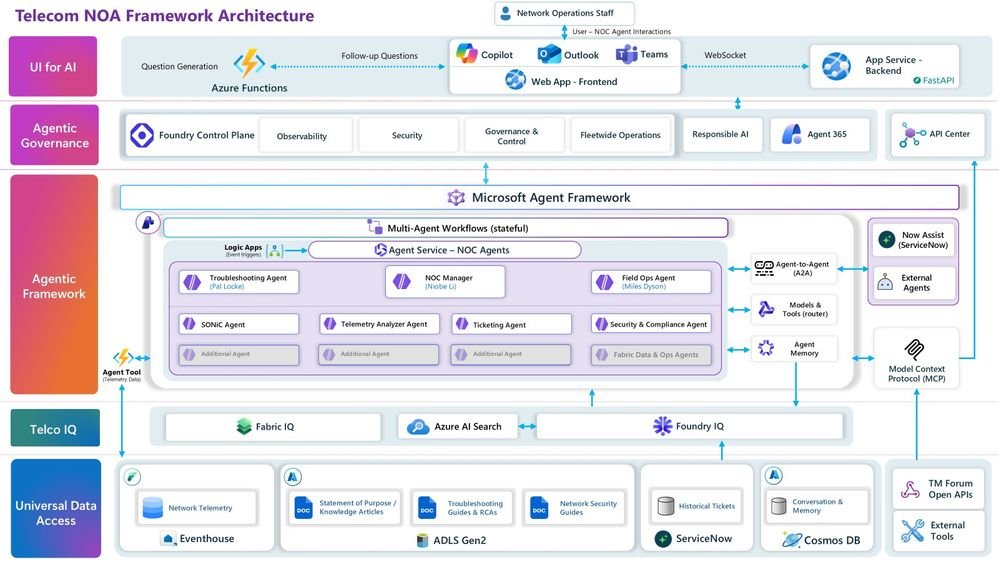
Integration Ecosystem Expansion
NOA v2 establishes deeper alignment with telecom standards through:
- Full adoption of TM Forum's TMF621 Trouble Ticket API via Model Context Protocol
- Hybrid deployment options supporting multi-cloud and on-premises environments
- Open agent-to-agent communication protocols enabling third-party integrations
This standards-based approach contrasts with proprietary solutions by ensuring interoperability across existing OSS/BSS systems while reducing vendor lock-in risks.
Operational Interface Transformation
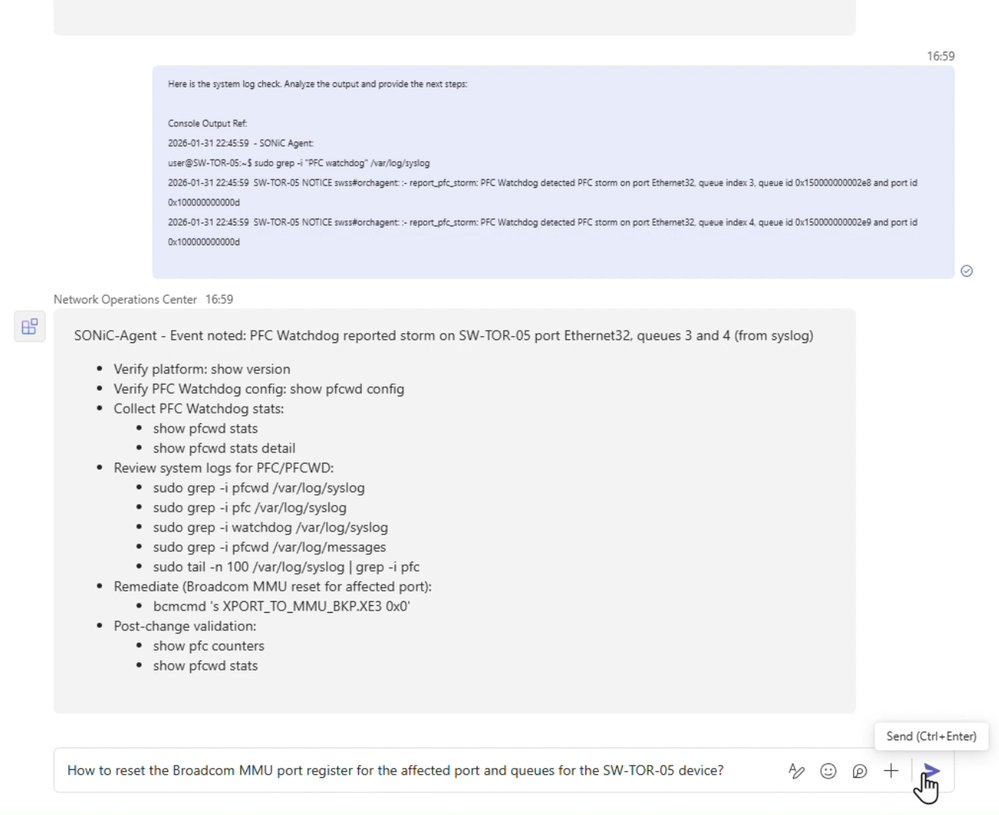
The framework now positions Microsoft Teams and Copilot as primary control interfaces:
- Agents proactively surface diagnostics in Teams channels during incidents
- Natural language queries like "Diagnose latency spike in Region X" trigger automated workflows
- Approval workflows integrate directly into Outlook calendars
This battles operational fragmentation by reducing context switching between tools - Far EasTone Telecom reports 16-second average response times for 7,000 monthly AI-assisted queries.
Governance and Security Architecture
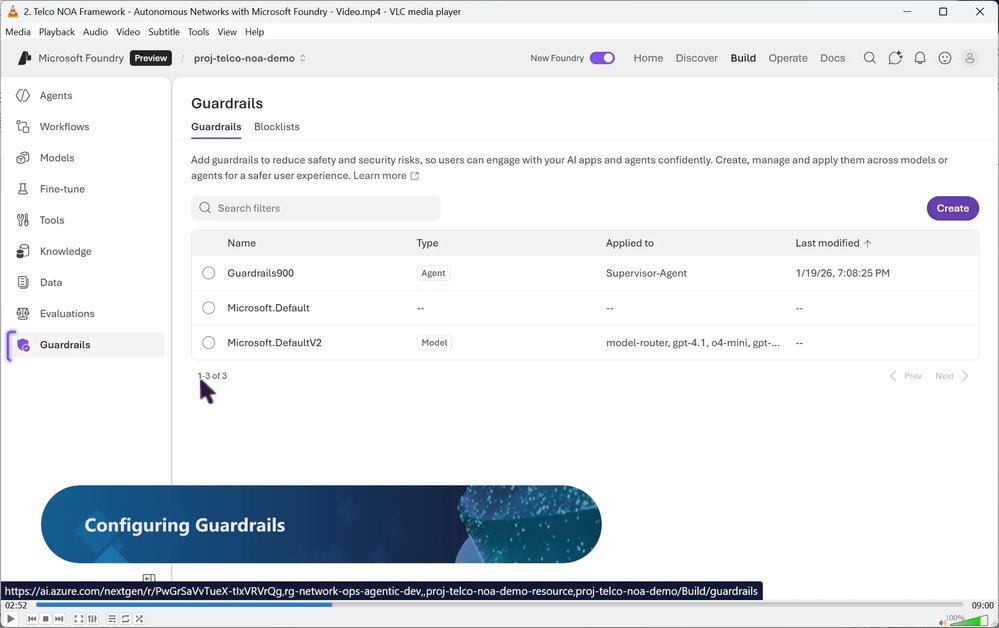
Foundry Control Plane introduces enterprise-grade safeguards:
- Policy gates requiring human approval for high-risk actions
- Tool access governed by Entra ID permissions and Purview sensitivity labels
- Audit trails documenting every agent decision and action
These controls enable Vodafone to autonomously manage 65% of fiber-break dispatches while maintaining carrier-grade compliance.
Comparative Multi-Cloud Implications
Cost and Migration Factors
| Approach | Implementation Cost | Operational Efficiency | Migration Complexity |
|---|---|---|---|
| Legacy OSS | Low initial | 20-40% manual effort | N/A |
| Proprietary AI | High | 50-70% automation | High (vendor-specific) |
| NOA Framework | Medium | 60-90% automation | Medium (API-driven) |
NOA's Fabric-based data virtualization demonstrates distinct cost advantages by enabling:
- 25% faster incident resolution via real-time KQL queries across hybrid data
- 30% reduction in integration work through standardized MCP connectors
- Pay-per-use agent scaling during traffic surges
Ecosystem Flexibility
Unlike single-cloud solutions, NOA's architecture supports:
- Agent deployment across Azure/AWS/GCP infrastructure
- Federated governance across cloud boundaries
- Data residency compliance through localized processing nodes Telefónica leverages this flexibility to analyze 4G/5G network data across multiple cloud regions while meeting EU sovereignty requirements.
Measurable Business Impact
Operational Efficiency Gains
- Far EasTone Telecom: 10,500 monthly automated tasks reducing human error by 40%
- Azure Networking: 60% faster fiber issue detection and 25% improved repair times
- Vodafone Transport: 80% acceleration in root-cause analysis
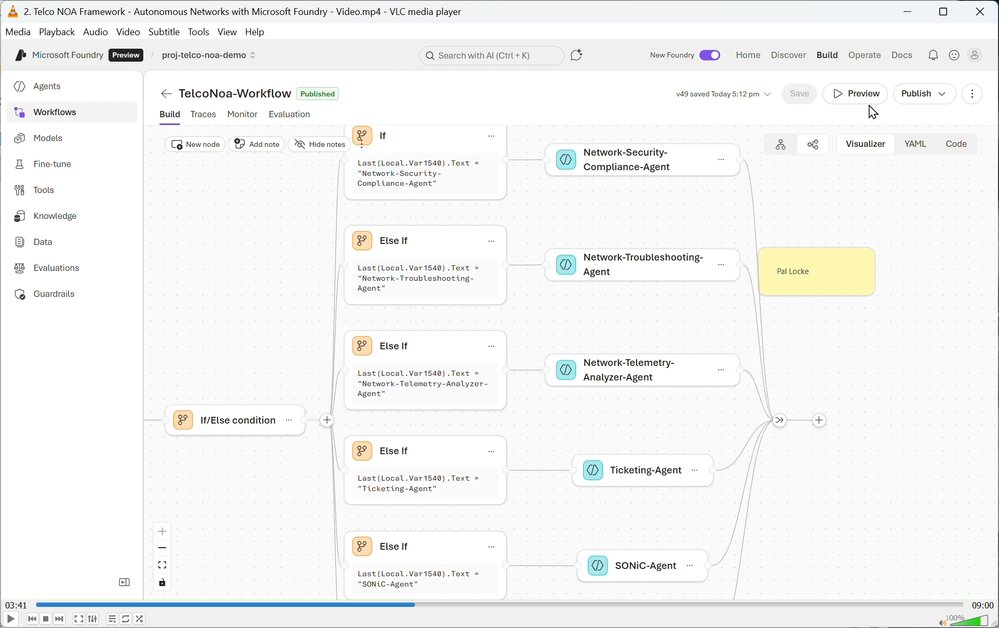
These outcomes stem from NOA's agent specialization model where:
- Niobe (NOC Manager Agent) orchestrates workflows
- Telemetry Analyzer executes Fabric KQL diagnostics
- Pal Locke (Troubleshooting Agent) runs remediation playbooks
- Compliance Agent validates SLA restoration
Strategic Differentiation
Operators utilizing NOA demonstrate:
- 30% faster service restoration than peers using traditional systems
- 50% higher engineer productivity through AI-assisted workflows
- Consistent compliance reporting across hybrid environments
AT&T's implementation showcases this through unified data analysis across Azure Databricks and Power BI, enabling AI-driven network optimization.
Future Roadmap
The April 2026 accelerator release will include:
- Pre-built agent templates for RAN optimization and security compliance
- TM Forum API certification kits
- Multi-cloud deployment blueprints
Microsoft maintains commitment to open ecosystems through ongoing support for:
- Third-party agent onboarding
- Hybrid control plane architectures
- TM Forum and industry standard evolution
As Vodafone CNIO Alberto Ripepi notes: "Combining network expertise with Microsoft's AI-powered operations creates intelligent automation that delivers more resilient connectivity networks." With NOA's enhanced framework, operators gain a governed pathway to autonomous operations without sacrificing compliance or flexibility across multi-cloud environments.
Comments
Please log in or register to join the discussion