Xbox CEO Asha Sharma floated a lower-cost console for late 2026, possibly cloud-focused or subscription-based, as SSD and RAM costs jump 50%. Here's what the hardware math actually points to.
Microsoft is signaling that the next Xbox to hit shelves might not be the powerful machine everyone expects, but a stripped-down, cheaper one built to dodge a brutal component market. In a Fortune Conversations interview, Xbox CEO Asha Sharma talked openly about affordability, the upcoming Project Helix, and a vaguer product that could land "later this year." That phrase is what has hardware watchers paying attention.
What's new
Sharma was asked how Microsoft plans to keep selling consoles through a component shortage, and she did not soften the picture. She said SSD and RAM prices are up roughly 50% since she took the role, calling the situation an industry crisis. Memory and storage are two of the most cost-sensitive parts in any console bill of materials, so a 50% swing there eats directly into already thin hardware margins.
Her answer pointed toward rethinking "the cost construction of the console" and even "radically different business models that we never expected to start to come into orbit later this year." Project Helix, Microsoft's rumored hybrid handheld, is still pegged for 2027 or 2028, so the near-term comment does not appear to be about that device. Tom Warren of The Verge suggested she might mean xCloud, though the surrounding conversation leaned toward physical hardware rather than streaming alone.
The most plausible reading is a cloud-leaning Xbox built around Xbox Cloud Gaming. A machine that offloads most rendering to data centers needs far less local storage, less memory, and a weaker SoC, which is exactly where the cost pressure sits right now. Strip those out and the bill of materials drops in the three areas hurting Microsoft most.
How it compares
The disc-less Series S was Microsoft's accessibility play, launching at $299 with a 512 GB SSD. Multiple price increases since then have pushed it well above that anchor, and its small drive already drew complaints because games routinely exceed the usable space after the OS footprint. A cloud-first revision would sidestep that problem entirely by not asking the local drive to hold much at all. Think of it less as a smaller Series S and more as a set-top box with a controller, closer in spirit to the rumored Keystone device Microsoft shelved a couple of years ago.
Compared to the Series X, with its 1 TB NVMe drive and 16 GB of GDDR6, a cloud box would not even play in the same performance tier. That is the point. The competitive target is not Sony's PS5 on raw specs but the price of entry into the Xbox ecosystem. A cheaper gateway that funnels players into Game Pass is worth more to Microsoft than another full-power console sold at a loss.
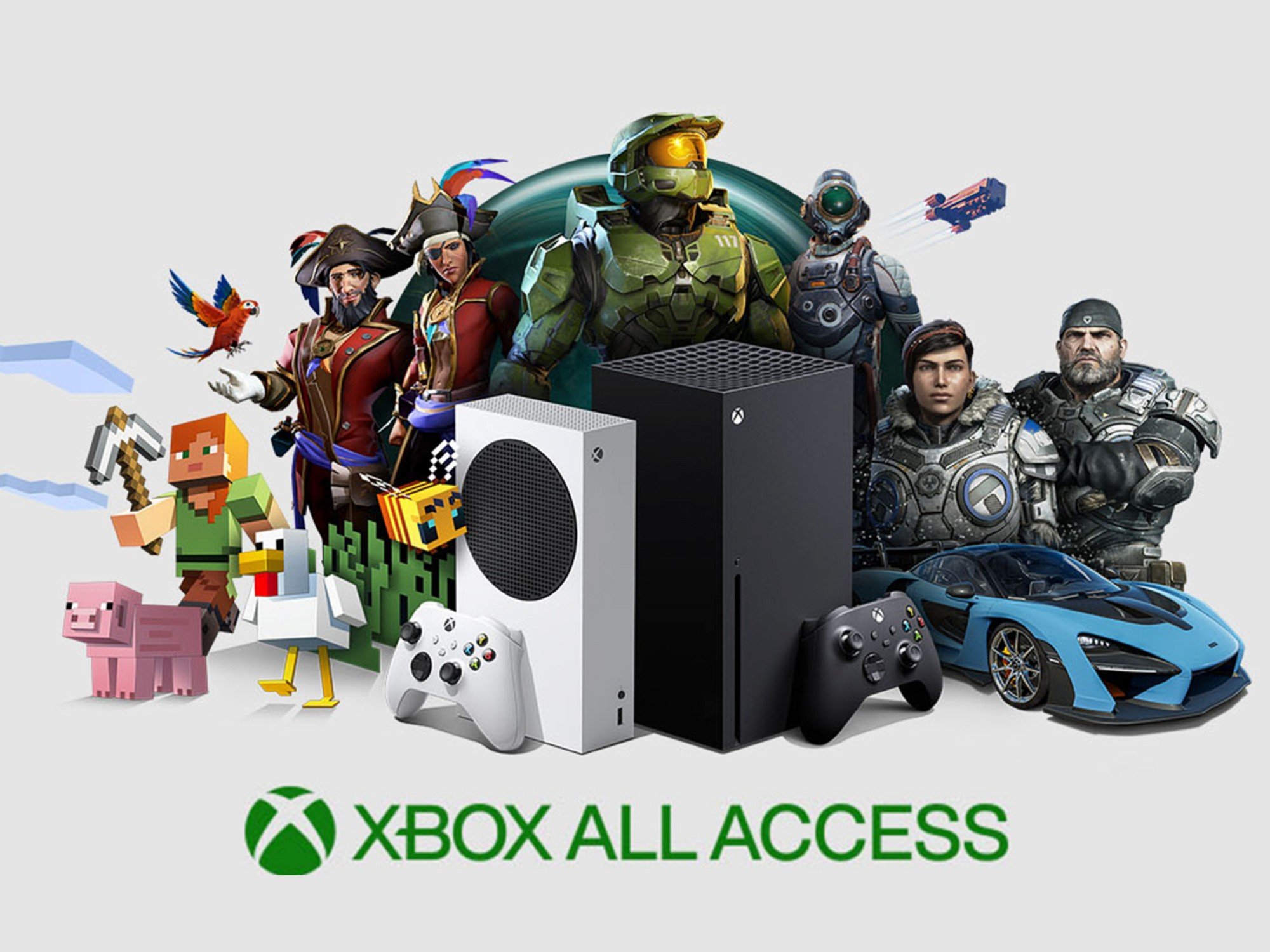
The other lever is the business model itself. In the UK, the now-defunct Xbox All Access program let buyers take home a Series X or S with no upfront cost, bundling Game Pass and the hardware into a single monthly fee. After 24 months the buyer owned the console outright. In a market where storage and memory inflation makes a low sticker price hard to hit, spreading hardware cost across two years of subscription payments hides the sticker shock. Sharma's mention of "radically different business models" fits that template closely.
Who it's for
If this materializes, the audience is clear: players who want into Xbox without paying flagship money, and who already lean on Game Pass and streaming rather than large local libraries. A cloud-focused box trades ownership and offline performance for a lower price, which only works if your internet connection is reliable enough to carry it. Latency-sensitive players and anyone with spotty broadband should stay with a Series S or X.
Sharma also tied the same thinking to Project Helix, telling Bloomberg she intends to innovate to keep the hybrid's price reasonable. She floated "flexible storage offerings" and "new types of games" that consume less drive space as ways to manage cost. None of this is confirmed product, and "later this year" could still resolve into a streaming announcement rather than a new box. For now, the signal is that Microsoft's next move on hardware is about lowering the price of admission, not raising the performance ceiling. Buyers waiting for a cheaper way into the ecosystem have reason to hold off on a purchase until Microsoft shows what it actually means.
Comments
Please log in or register to join the discussion