Mustafa Suleyman says his widely shared prediction about white-collar work being "fully automated" was about tasks, not roles. The distinction matters for anyone watching AI move into their daily workflow.
Mustafa Suleyman, the CEO of Microsoft AI, spent the past few months attached to a quote that read like a warning shot at every office worker. In a Financial Times interview, he said that for white-collar workers sitting at a computer, whether a lawyer, accountant, project manager, or marketer, "most of those tasks will be fully automated by an AI within the next 12 to 18 months." That sentence traveled fast, and it traveled stripped of the one word that changes its meaning.
In a follow-up conversation on The Verge's Decoder podcast, Suleyman pushed back on how it landed. "I said 'tasks' in the quote that you've just said. So that does not mean jobs," he said. "Jobs and roles are the broader category, and tasks are the components of that." It is a small correction with large consequences, and it lines up with how AI tooling is actually showing up in real work.
Why the task-versus-job distinction is the whole story
A job is a bundle. A project manager does not have a single function; they chase status updates, reconcile spreadsheets, write summaries, sit in meetings, read the room, make calls when two teams disagree, and absorb the blame when a deadline slips. Some of those are mechanical. Pulling last week's commit activity into a status report is mechanical. Deciding whether to tell a stakeholder the bad news now or after the next sprint is not.
Suleyman's reframing says AI eats the mechanical components first. The report generation, the meeting transcription, the first-draft email, the data cleanup. What it leaves behind is the connective tissue that made those tasks part of a role in the first place: judgment, presence, accountability, and the conversations where a project actually gets steered.
This is not a comforting platitude. It is a fairly accurate description of how the current generation of assistants behaves. They are good at producing a plausible first version of something repeatable and bad at owning the outcome. A model will happily draft a release note. It will not get paged at 2 AM when the release breaks, and it will not decide whether to roll back.
What this looks like if you actually build software
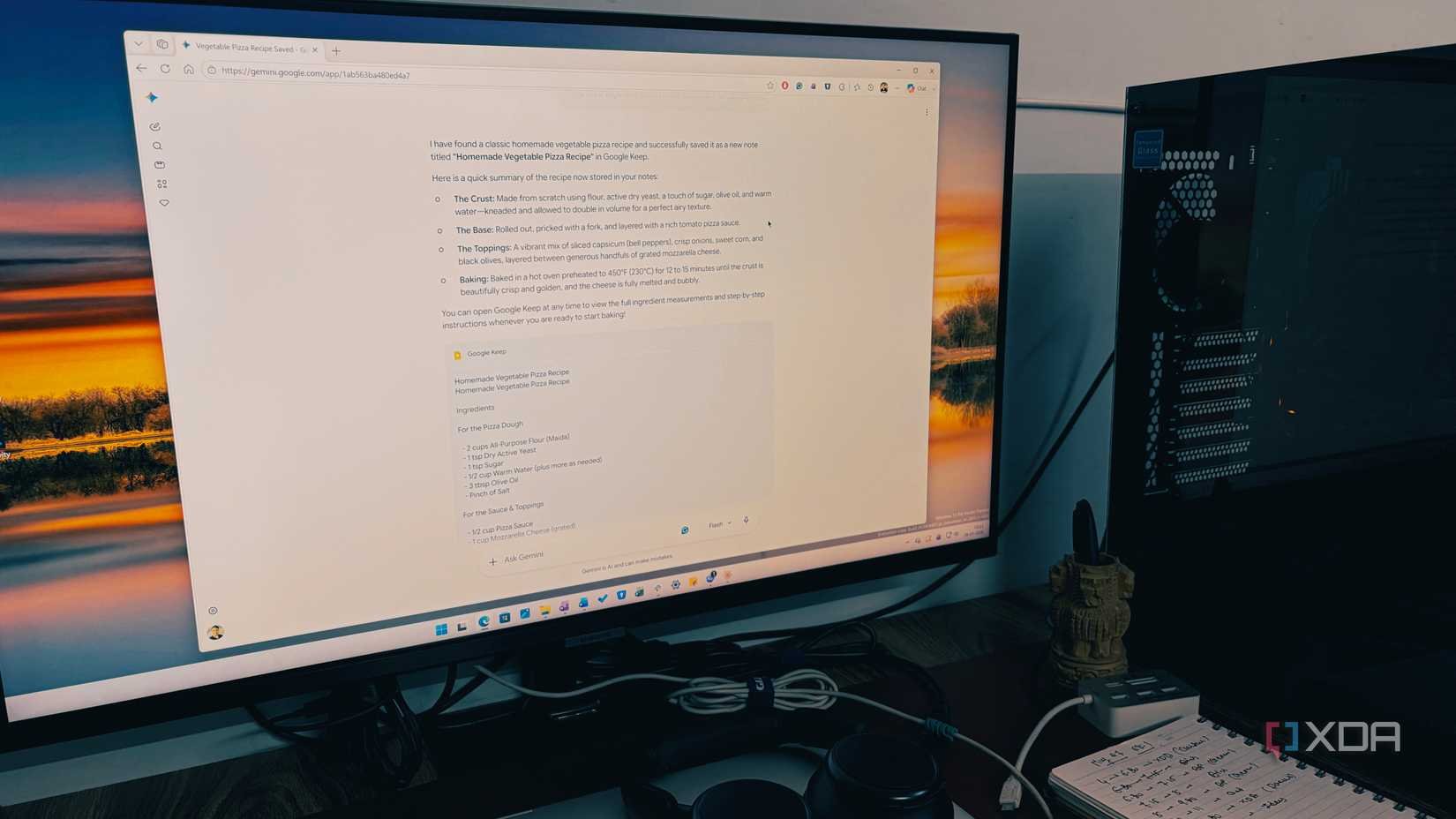
For developers, the task-shaped nature of AI is already visible, and it cuts across both platforms in ways that are easy to underestimate. Maintaining an app on iOS and Android means a steady stream of repeatable, low-judgment work: updating deprecated API calls when Apple ships a new SDK, regenerating boilerplate when Google bumps a Gradle dependency, writing the unit test you keep skipping, translating a string file, or porting a UIKit layout idea into a Jetpack Compose equivalent.
Those are tasks. They are also exactly the kind of work that an assistant like GitHub Copilot or a chat model handles well, because the answer space is constrained and the context is local. When Apple deprecates an API in a new Xcode release, the migration is often mechanical enough that a model can produce the diff, and your remaining job is to verify it compiles, runs on a real device, and does not change behavior in some edge case the model never saw.
The parts that stay human are the ones that were never really tasks. Deciding that your Android minimum SDK should jump from API 24 to API 26 is a product call with real user-base consequences. Choosing how to handle a permission model change so existing users are not suddenly locked out is judgment. Reading a crash report and intuiting that the spike correlates with a specific OEM's aggressive battery killer is the kind of pattern recognition that comes from having shipped to those devices for years.
The migration nobody is forcing, and the one that is happening anyway
There is no version bump here, no required toolchain update, no deprecation deadline. What is migrating is the shape of the workday. Suleyman's framing implies a gradual reallocation: as the boring components get absorbed, the time that used to go into them gets redirected toward the parts that do not automate. In practice that means more time on architecture decisions, more time talking to the people who actually use the thing, and more time on the finer details of a project that a model has no context for.
The honest tension is that the boundary between task and job is not fixed. A task that requires judgment today becomes mechanical once enough examples exist, and the assistants keep getting better at the connective tissue, not just the components. Suleyman's 12-to-18-month window was about tasks for a reason; it is a far easier claim to defend than one about whole roles, and it conveniently leaves room for the line to keep moving.
For anyone maintaining production software, the pragmatic read is to treat AI the way you would treat a fast, tireless junior engineer who never gets bored: hand it the repeatable work, review everything it produces as if it might be confidently wrong, and keep the decisions that carry consequences on your side of the desk. That is roughly what Microsoft's own AI chief is now describing, once you put the missing word back in.
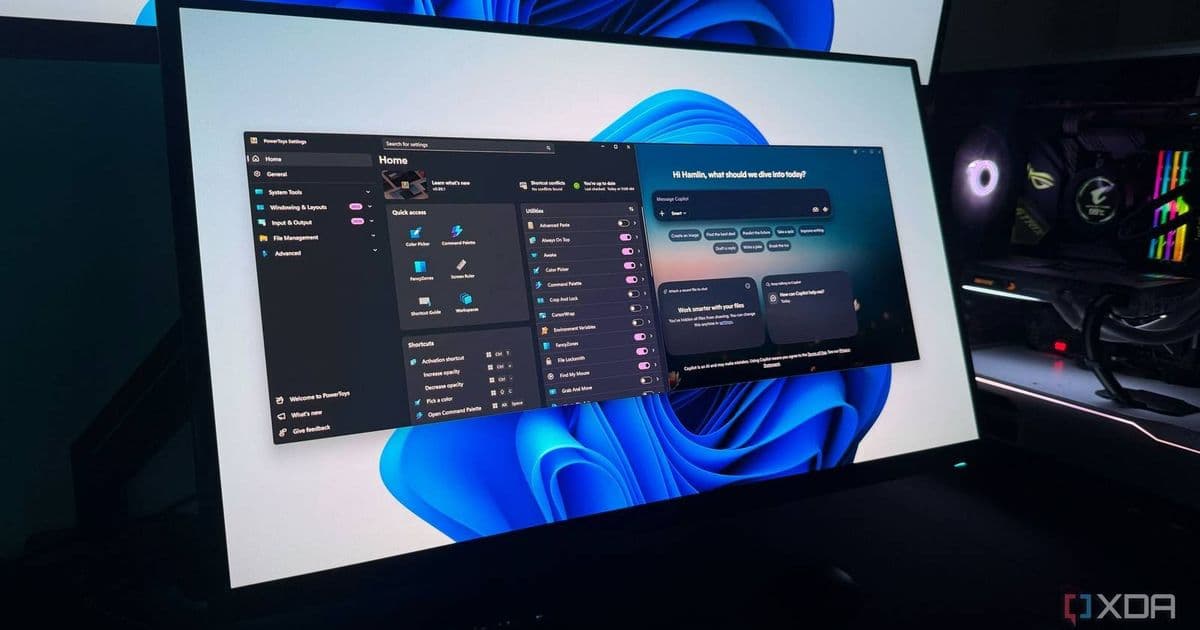
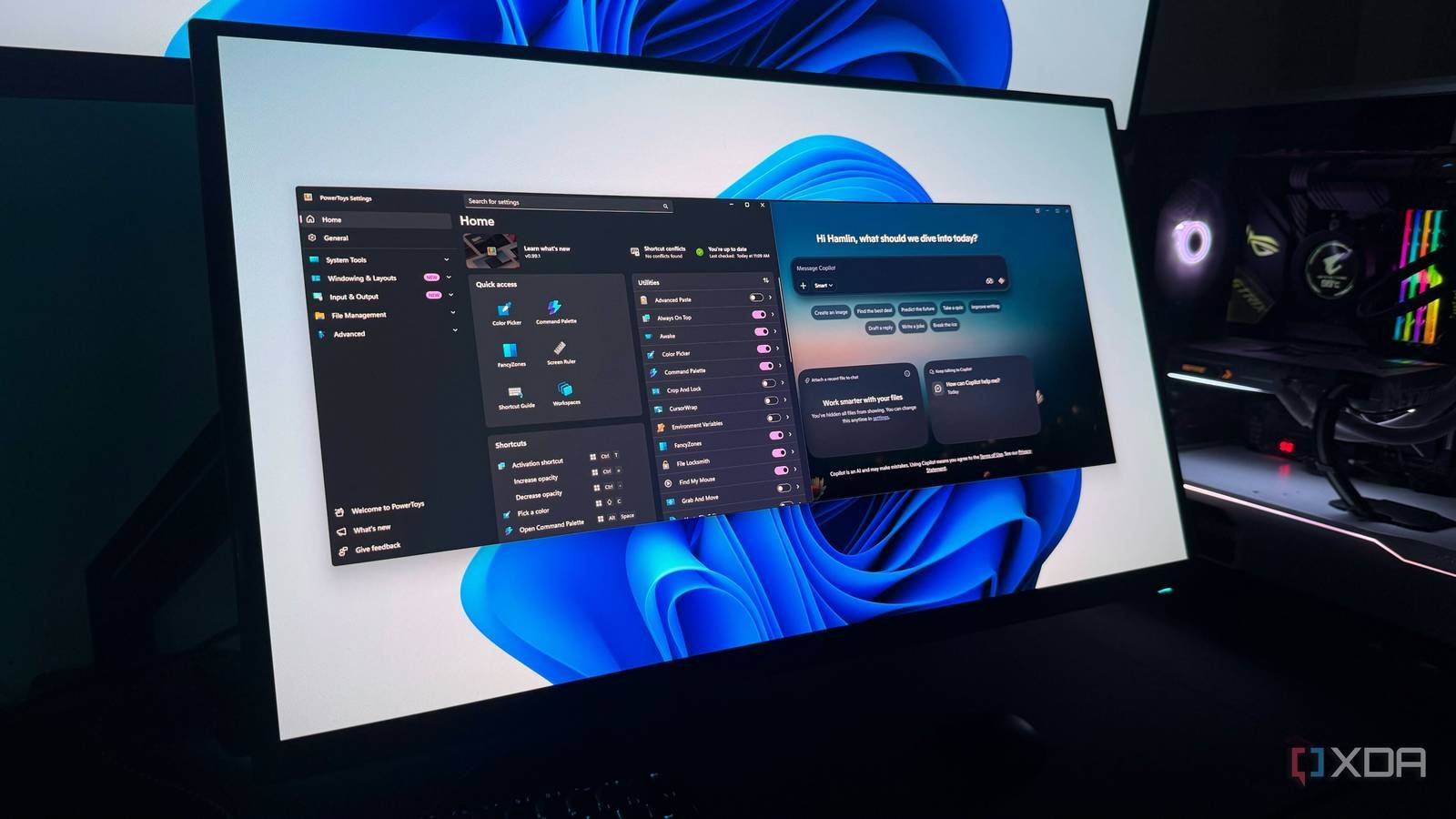
Microsoft is pushing this same task-assistant model across its product line, from the Copilot tooling baked into Windows and Office to newer experiments aimed at narrow domains. The framing is consistent: the assistant handles the legwork, the person stays responsible for the result. Whether that boundary holds as the models improve is the open question, but for now it is a reasonable description of where the work is actually moving.
Comments
Please log in or register to join the discussion