
Asus NUC 16 and Dell Pro Desktop are dedicated mini PCs for Windows 365 Link, launching Q3 2026. Both support up to three displays; the Asus is ultra-compact, and the Dell offers a silent, fanless design.
Microsoft has unveiled two purpose-built mini PCs designed specifically for Windows 365 Link, its cloud-based desktop service that boots directly into Office applications without the overhead of a traditional Windows installation.
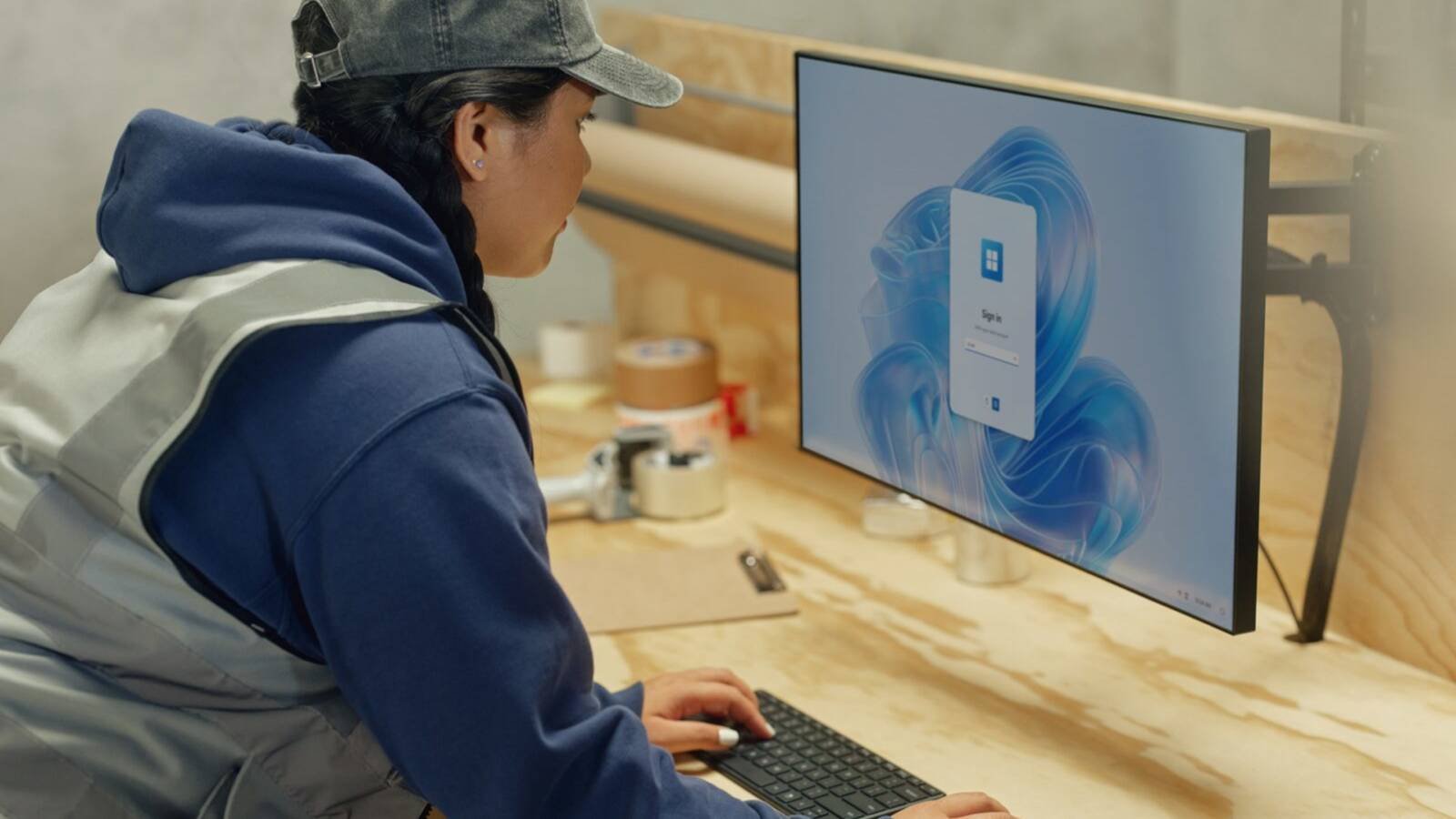
The devices represent a strategic shift toward specialized hardware optimized for cloud computing, where local processing power matters far less than reliable connectivity and minimal hardware requirements.
The Cloud-First Approach
Windows 365 Link fundamentally changes how we think about desktop computing. Instead of installing Windows locally and running applications on your machine, the service streams a full Windows desktop experience from Microsoft's cloud infrastructure. This means users need only enough local hardware to handle video output, input processing, and network communication.
The beauty of this approach lies in its efficiency. Traditional PCs dedicate significant resources to running the operating system itself, managing background processes, and maintaining system services. Windows 365 Link eliminates these requirements entirely, allowing manufacturers to strip down hardware to the absolute essentials.
Asus NUC 16: Ultra-Compact Cloud Computing
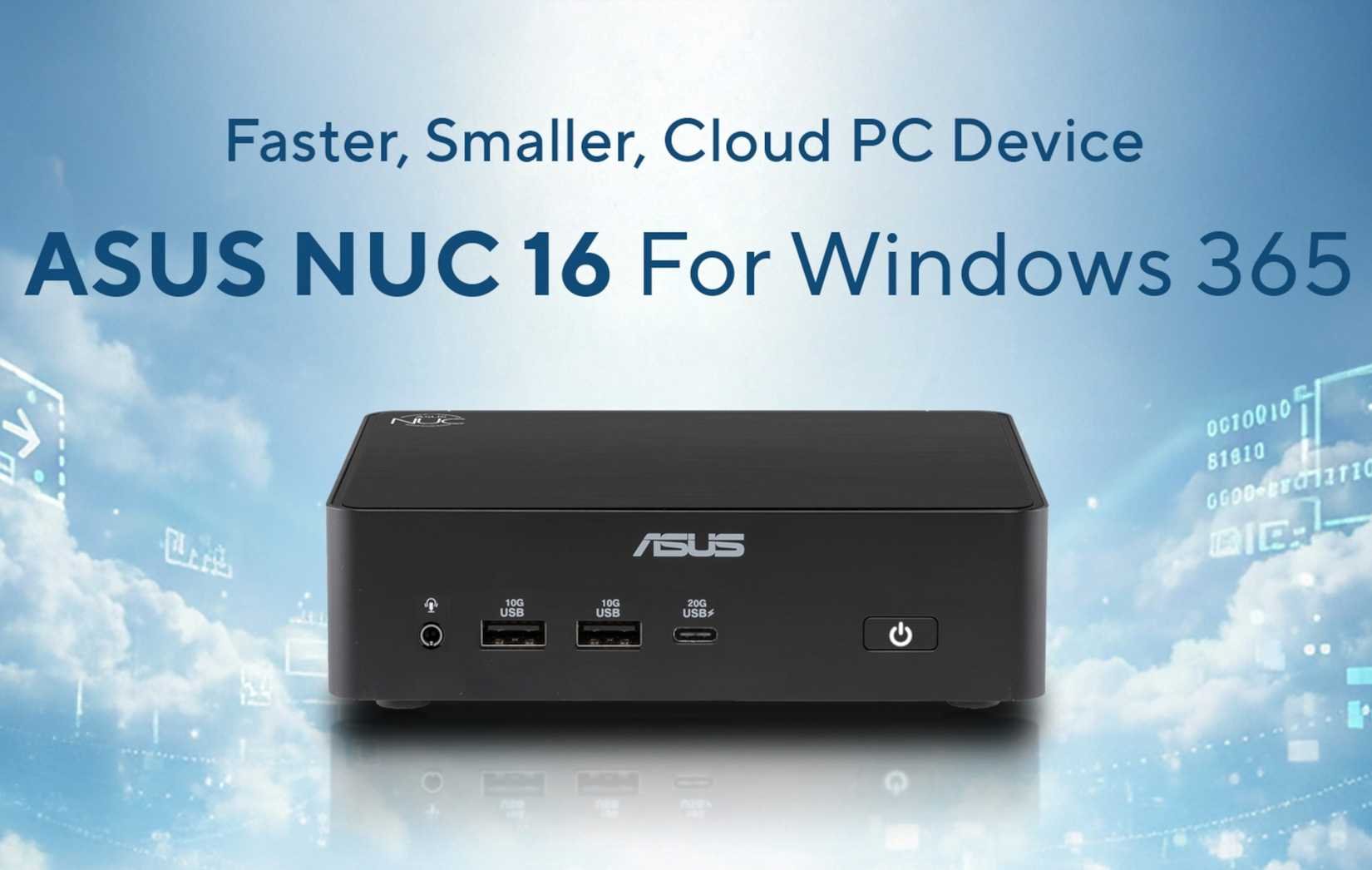
Asus has partnered with Microsoft to create the NUC 16, a 0.7-liter mini PC that pushes the boundaries of compact computing. The device supports up to three simultaneous displays, making it suitable for multi-monitor workstation setups despite its diminutive size.
Key specifications include:
- Ultra-compact 0.7L form factor
- Support for triple-display configurations
- USB-C connectivity for modern peripherals
- Q3 2026 release window
KuoWei Chao, General Manager of Asus's NUC Business Unit, emphasized the device's purpose-built nature: "We designed the NUC 16 specifically for Windows 365 Link users who need maximum productivity in minimum space."
The horizontal orientation of the NUC 16 makes it ideal for desk mounting or placement in tight workspaces. Its small footprint means it can easily fit behind monitors or in other confined areas where traditional desktop towers would be impractical.
Dell Pro Desktop: Silent and Fanless
Dell's approach takes a different direction with the Pro Desktop for Windows 365. While it can stand vertically like a traditional desktop, the design allows for horizontal use as well. The most notable feature is Dell's achievement of a completely fanless cooling system.
This passive cooling design offers several advantages:
- Zero noise operation
- No moving parts to fail
- Reduced dust accumulation
- Lower power consumption
Like the Asus model, Dell's Pro Desktop supports up to three displays and is scheduled for Q3 2026 availability. The fanless design represents a significant engineering achievement, as passive cooling typically limits performance in traditional PCs.
Hardware Requirements for Cloud Computing
The minimal hardware requirements for Windows 365 Link make these devices economically viable. Users need only basic processing power for video decoding, network connectivity for cloud access, and sufficient memory for smooth operation. This allows manufacturers to use lower-power, more efficient components that generate less heat and consume less electricity.
Both devices demonstrate how cloud computing is reshaping hardware design. Traditional PC manufacturers are now creating specialized devices optimized for specific use cases rather than general-purpose computing.
Market Implications
These dedicated Windows 365 Link devices target several market segments:
Enterprise deployments: Companies can standardize on these devices for employees who primarily use cloud-based applications
Educational institutions: Schools and universities can provide cost-effective computing solutions without the maintenance burden of traditional PCs
Remote workers: Individuals needing reliable access to corporate resources without managing local software
Call centers and kiosks: High-density environments where noise reduction and space efficiency matter
The Q3 2026 release timeline suggests Microsoft and its partners are targeting the back-to-school and enterprise refresh cycles, timing the launch for maximum market impact.
The Future of Desktop Computing
Windows 365 Link represents a broader trend toward cloud-first computing strategies. As network infrastructure improves and cloud services become more sophisticated, the need for powerful local hardware continues to diminish.
These mini PCs are just the beginning. We can expect to see more specialized devices optimized for specific cloud services, from gaming-focused streaming boxes to creative workstations designed around cloud-based rendering and editing tools.
For users, this shift means lower hardware costs, reduced maintenance requirements, and the ability to access their desktop environment from any compatible device. For IT departments, it simplifies device management and reduces the complexity of software deployment and updates.
Availability and Pricing
While official pricing hasn't been announced, the specialized nature of these devices suggests they'll be positioned as premium options within the Windows 365 ecosystem. However, when compared to the total cost of ownership of traditional PCs—including software licenses, maintenance, and eventual replacement—these cloud-optimized devices could prove more economical over time.
Both Asus and Dell have published preliminary information on their respective websites, with more detailed specifications expected as the Q3 2026 launch approaches. Microsoft's Windows 365 Link website provides comprehensive information about the service itself and how these dedicated devices integrate into the broader ecosystem.
The partnership between Microsoft and these hardware manufacturers signals a significant commitment to cloud-based desktop computing. As Windows 365 Link matures and adoption grows, we can expect to see continued innovation in specialized hardware designed to deliver the best possible cloud computing experience.
Comments
Please log in or register to join the discussion