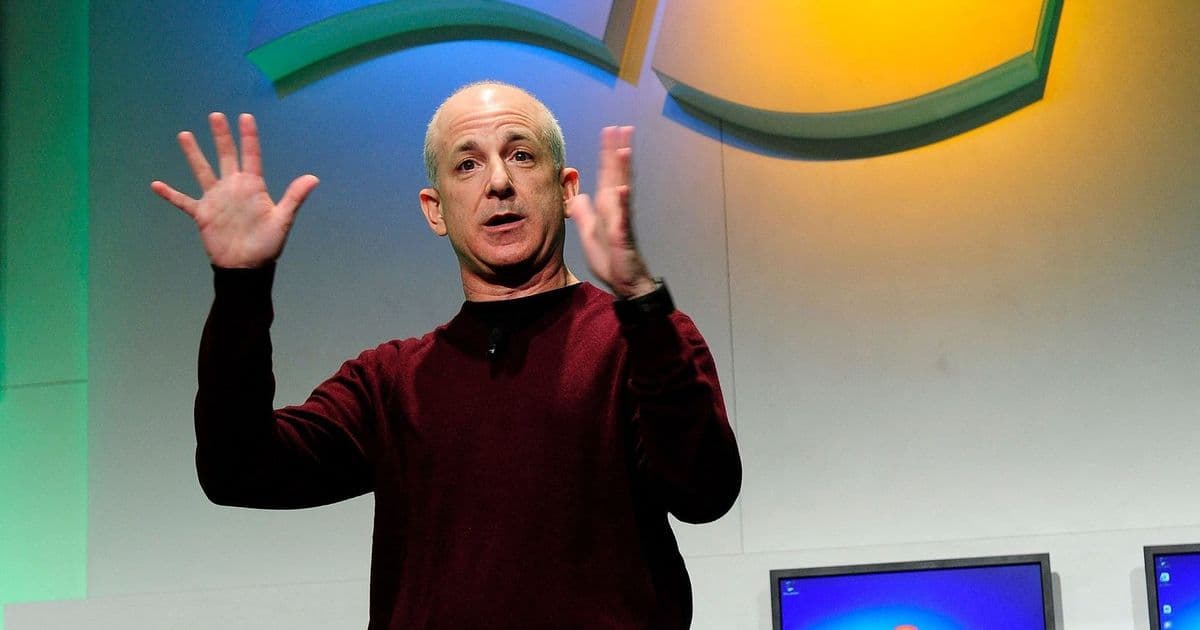
Former Windows division head Steven Sinofsky posted a 2010 video showing Windows 7 running on an Nvidia Tegra ARM dev kit, reminding the industry that the Nvidia‑Arm‑Windows push is not new. The piece revisits the 2010‑11 Surface‑Hybrid effort, compares it with today’s N1X laptop rumors, and evaluates the supply‑chain and performance realities that shaped the earlier attempt.
 )
)
Announcement
Microsoft veteran Steven Sinofsky – who ran the Windows division from 2009 to 2012 – resurfaced a tweet that includes a short video of a Nvidia Tegra ARM development board running Windows 7 in September 2010. The clip, originally posted on his personal account, shows a multi‑window desktop, a functional Start menu, and the classic Windows compositor, all driven by an ARM‑based SoC. Sinofsky paired the video with a slide from the CES 2011 Surface‑Hybrid presentation that highlighted “strong partnerships” with Nvidia, Qualcomm and Texas Instruments.
“The result could be a reliable platform for graphics compute using Windows,” he wrote in the comment thread.
The timing is striking because the same week, rumors of a new N1X laptop line – promising Nvidia‑GPU‑centric ARM chips for Windows PCs – have been circulating on the tech‑press. Sinofsky’s throwback forces analysts to ask whether the upcoming push will repeat the missteps of the 2010‑12 effort or finally close the performance‑price gap that stalled the first wave.
Technical specs – then and now
| Feature | 2010‑12 Surface‑Hybrid (Tegra) | 2026 N1X‑class prototype (rumored) |
|---|---|---|
| CPU | Nvidia Tegra K1 – 4‑core ARMv7, 2.3 GHz | Nvidia Grace‑CPU‑based ARM‑v9, up to 8 cores, 3.2 GHz |
| GPU | Maxwell‑based GeForce GTX 750M‑class, 384 CUDA cores | RTX‑A6000‑class Ada‑Lovelace GPU, 8 K CUDA cores, RT cores |
| Memory | 2 GB LPDDR3, 800 MHz | 16 GB LPDDR5X, 6400 MT/s |
| OS | Windows 7 (ARM‑compatible build) – limited driver stack | Windows 11 on ARM – full driver model, DirectX 12 Ultimate |
| Process node | 40 nm (TSMC) | 5 nm (TSMC) |
| Power envelope | ~10 W (max) | 30‑45 W (typical laptop TDP) |
| Performance | Single‑core ~1.8 GHz x86 equivalence; GPU ~300 GFLOPS | Single‑core ~3.0 GHz x86 equivalence; GPU ~30 TFLOPS (FP32) |
Why the original effort stalled
- Process limitations – The Tegra K1 was fabricated on a 40 nm node, which meant high leakage and limited clock speeds. By contrast, modern ARM chips benefit from sub‑10 nm processes that deliver 3‑5× performance per watt.
- Driver maturity – Nvidia’s Windows driver stack for ARM never reached the feature parity of its x86 counterpart. The video shows a functional desktop, but frame times were “lethargic,” as contemporary reviewers described it.
- Ecosystem fragmentation – Windows 8 on ARM supported Qualcomm, TI and Nvidia, but Microsoft never forced developers to ship universal binaries. Most Win32 apps remained x86‑only, forcing emulation that crippled performance.
- Supply‑chain timing – The Surface RT that finally shipped in Oct 2012 used a Qualcomm Snapdragon 800‑class SoC, not Nvidia. By then, the market had shifted to Intel‑based ultrabooks, and the ARM‑Windows narrative lost momentum.
What has changed for the 2026 push?
- Process advantage: The rumored Grace‑CPU‑based chips are on a 5 nm node, delivering a 4‑5× improvement in power efficiency over the 2010 Tegra.
- Unified driver architecture: Nvidia now supplies a single Windows 11 driver that supports both rasterization and ray‑tracing, eliminating the split‑stack problem that plagued the earlier Tegra build.
- DirectX 12 Ultimate on ARM: Microsoft has exposed the full DirectX 12 feature set to ARM, meaning games can run natively without translation layers.
- Supply‑chain alignment: Nvidia’s partnership with TSMC and the recent surge in ARM‑based server silicon have created a more predictable fab capacity, reducing the risk of the “sticky pricing” issue Sinofsky mentioned.
Market implications
Short‑term pricing pressure
Even with a 5 nm process, an ARM‑based laptop that bundles an RTX‑A6000‑class GPU will sit above the $1,200‑$1,500 price band of typical Intel‑U‑series ultrabooks. Early‑adopter pricing is likely to mirror the 2012 Surface RT launch – roughly $999 for a 32 GB model, but with a premium for the high‑end GPU.
OEM adoption risk
The original Surface‑Hybrid program relied heavily on Microsoft’s own hardware brand. This time, OEMs such as Lenovo, HP and Dell have signaled interest, but they will demand a clear roadmap for driver updates and long‑term support. A fragmented supply chain – especially if Nvidia’s Grace‑CPU yields are constrained by TSMC’s high‑volume AI workloads – could delay mass production.
Competitive dynamics with Apple Silicon
Apple’s M‑series chips have proven that ARM can dominate performance‑per‑watt in laptops. Nvidia‑Arm Windows devices will need to offer a compelling GPU advantage – something Apple’s integrated graphics cannot match. If the N1X prototypes deliver >30 TFLOPS FP32, they could carve a niche for content creators and engineers who rely on CUDA‑accelerated workloads.
Outlook for developers
Microsoft’s push for WinUI 3 and .NET 8 universal binaries means that new apps can target ARM without separate x86 builds. However, legacy Win32 software still dominates the Windows ecosystem. The success of the upcoming hardware will hinge on whether the emulation layer (x86‑on‑ARM) can close the 30‑40 % performance gap that existed in 2012.
Conclusion
Sinofsky’s 2010 video is more than a nostalgic clip; it highlights the technical and supply‑chain hurdles that have historically prevented an Nvidia‑Arm‑Windows convergence. The 2026 prototypes benefit from a dramatically improved process node, a unified driver stack, and a more mature ARM ecosystem, but they still face pricing, OEM commitment and legacy‑software challenges. The next few weeks at Computex will reveal whether the industry can finally turn the promise of “graphics‑compute‑ready Windows on ARM” into a commercially viable product line.
 )
)
For further reading, see the original tweet here and the CES 2011 slide deck PDF.
Comments
Please log in or register to join the discussion