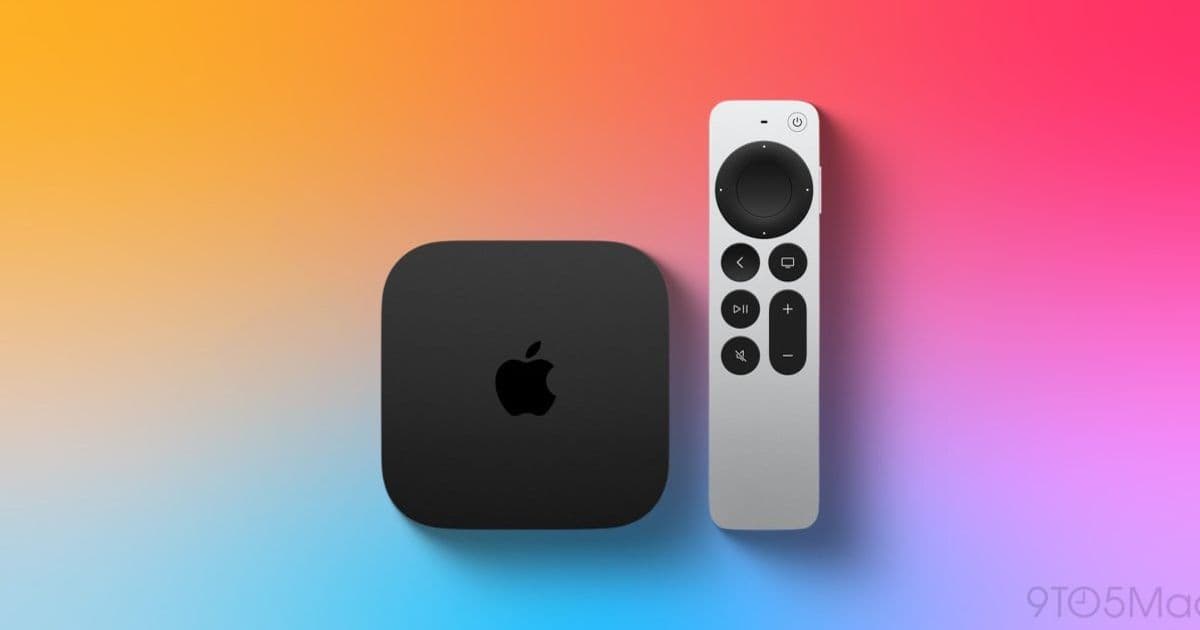
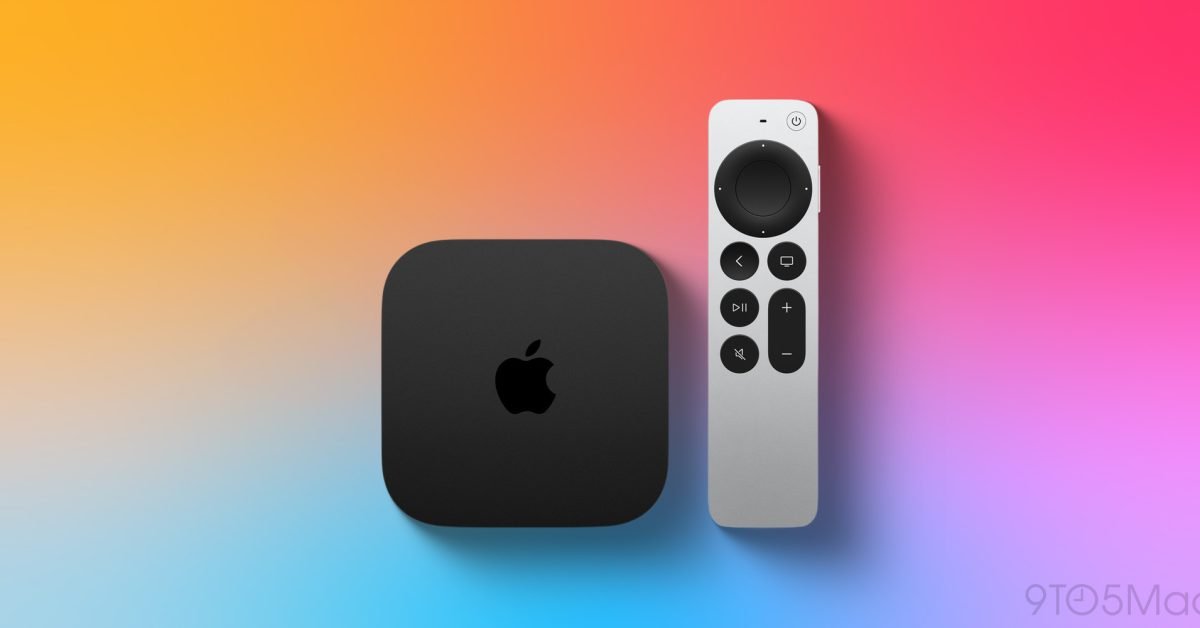
Apple’s current Apple TV 4K, launched in 2022, is on track to become the longest‑selling version of the set‑top box, a milestone driven by delayed hardware refreshes and a possible wait for AI‑centric software updates.
Apple TV 4K fans have been vocal about the lack of fresh hardware for years. The device that debuted in early 2022 is now edging toward a record no one wants to see – the longest‑selling generation of Apple TV between major updates.
Why the current model is staying so long
- Age of the silicon – The 2022 Apple TV 4K ships with an A15 Bionic chip. It was a cost‑focused redesign after the short‑lived 2021 edition, which itself replaced the original A10X‑Fusion model after just 532 days.
- Software updates keep it viable – Apple continues to push tvOS releases to the box, adding features like improved HomeKit integration and incremental performance tweaks. The latest public build is tvOS 26, and rumors suggest tvOS 27 could arrive in the fall, bundled with AI‑driven recommendations.
- Potential AI‑first launch – Industry sources say Apple may be holding a hardware refresh until a major AI‑related software update lands, hoping to showcase on‑device machine‑learning capabilities such as real‑time video upscaling and smarter content suggestions.
If Apple does not ship a new Apple TV 4K before July 4, 2026, the current A15‑based unit will surpass the 1,337‑day run of the 2017 A10X model, setting a new longevity record.
What the record would mean for consumers
- Price pressure – A longer product cycle often translates to lower retail prices. The 2022 model already dropped from its launch price of $179 to $149 in many markets, making it an attractive entry point for new Apple users.
- Feature gaps – The biggest complaint, voiced by users like Jim Huls, is missing support for the Matter smart‑home standard. The A15 hardware cannot run the latest Matter stack, limiting integration with newer accessories that rely on HomeKit alternatives.
- Future‑proofing concerns – While tvOS updates add software polish, they cannot replace a generational leap in processing power. Users looking for on‑device AI enhancements, higher‑bandwidth HDR, or Dolby Atmos improvements may find the current box increasingly constrained.
Ecosystem implications
Apple’s streaming ecosystem leans heavily on the TV box as the central HomeKit hub. A stagnant hardware platform forces developers to target older APIs, potentially slowing adoption of newer standards like Matter. Competing platforms (Roku, Amazon Fire TV, Google TV) have already rolled out devices with dedicated AI chips, giving them an edge in features such as real‑time scene detection and voice‑first navigation.
If Apple finally releases a refreshed Apple TV 4K in late 2026, it will likely arrive with:
- A newer SoC – Possibly an A16 or M2 variant, offering a noticeable boost for AI workloads.
- Matter support built‑in – Closing the smart‑home compatibility gap.
- Enhanced video processing – Support for 8K‑upscaling, HDR10+ Adaptive, and higher frame‑rate streaming.
Until then, the current model will continue to receive software updates, but power‑hungry users may start looking at alternative streaming sticks or even a Mac mini as a makeshift hub.
For more details on Apple’s tvOS roadmap, see the official Apple developer documentation.
Comments
Please log in or register to join the discussion