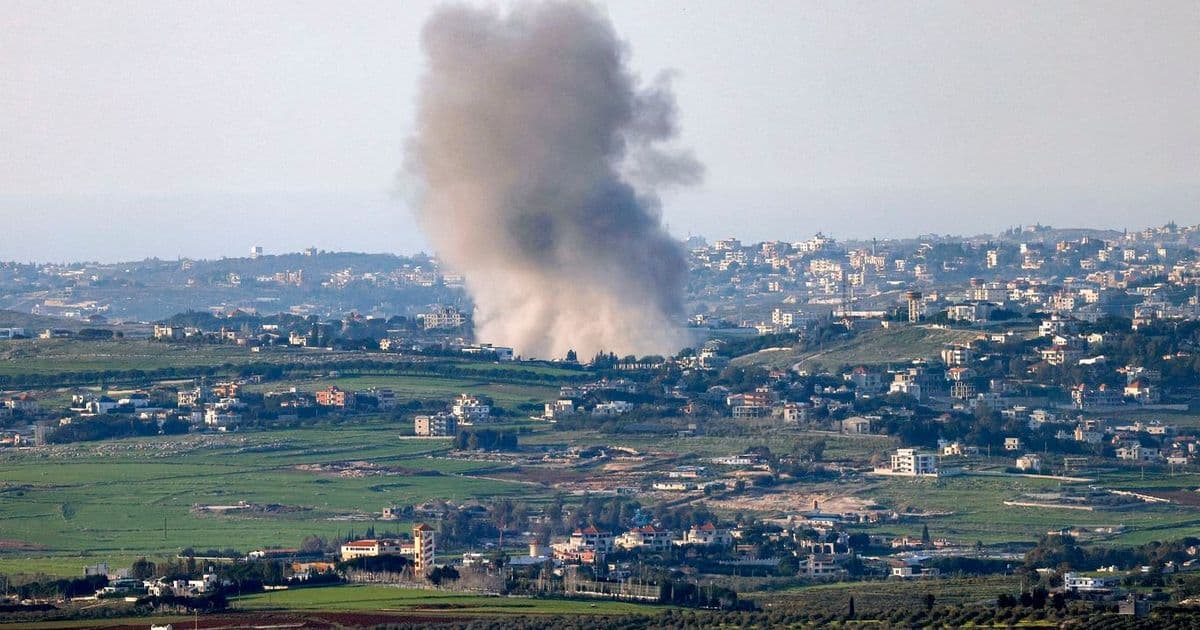
Regional conflict spreads rapidly across Middle East as Israel launches strikes in Lebanon, drawing in multiple nations and threatening to destabilize the entire region within a 72-hour period.
The Middle East is experiencing its most severe escalation in years as the conflict between Israel and Iran has expanded to involve over a dozen countries within just 72 hours, marking a dramatic shift in regional dynamics.
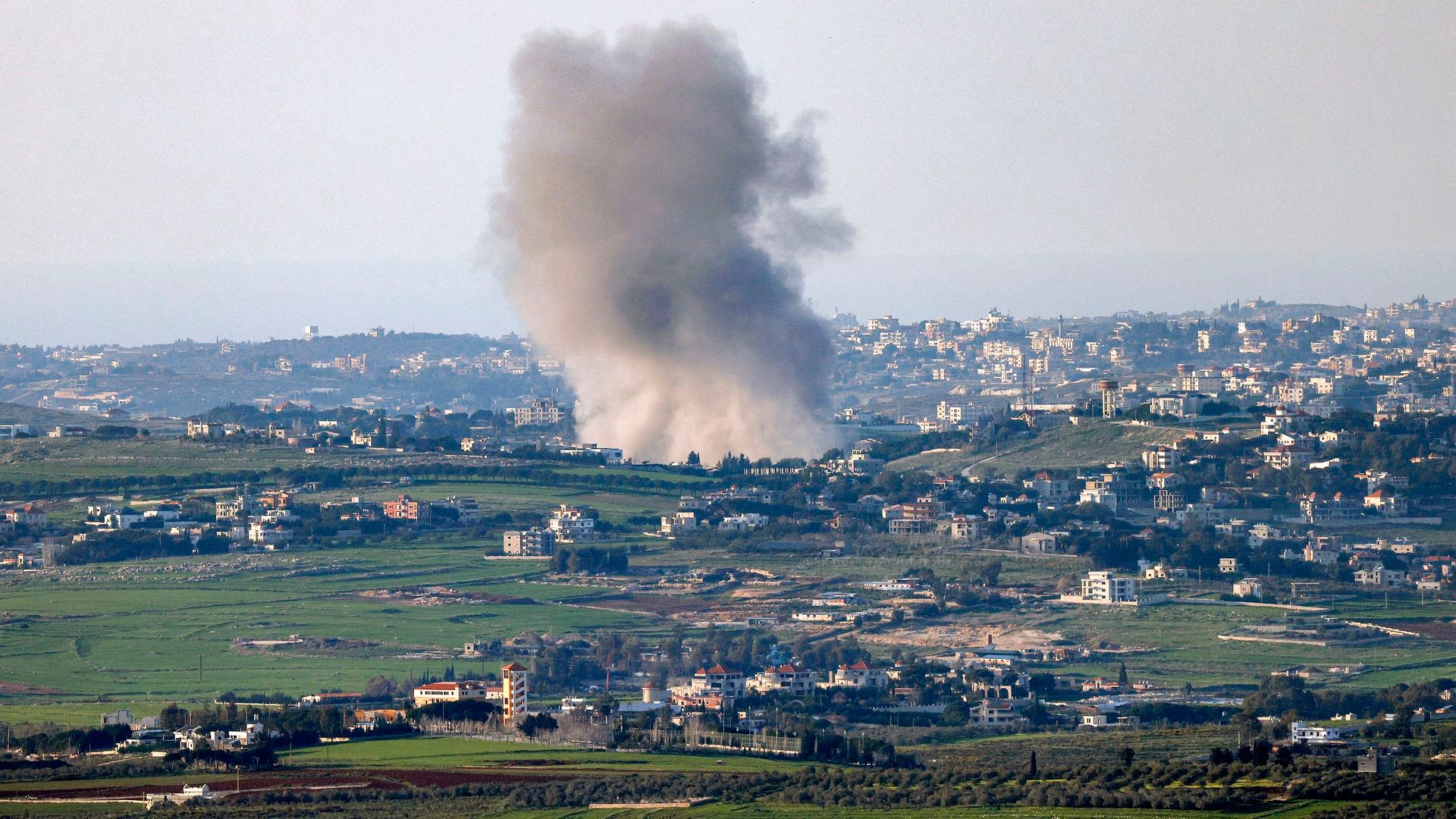
Smoke rises from an explosion following Israeli bombardment in southern Lebanon on March 2. Photo: Jalaa Marey / AFP via Getty Images
The rapid expansion of hostilities began when Israel launched a series of airstrikes against Iranian positions in Lebanon, targeting what Israeli officials described as "strategic infrastructure" used to supply weapons to Hezbollah. Within hours, the conflict had drawn in neighboring countries, with reports of military mobilizations in Syria, Iraq, and Jordan.
Key Developments in the 72-Hour Period:
- Israel conducted multiple bombing runs across southern Lebanon
- Iran mobilized reserve forces along its western border
- Saudi Arabia and the UAE issued statements condemning Iranian aggression
- Turkey positioned troops near its Syrian border
- Egypt increased military readiness along the Sinai Peninsula
The United States has deployed additional naval assets to the region, including the USS Abraham Lincoln carrier strike group, while Russia has called for an emergency United Nations Security Council meeting to address what it terms "unacceptable escalation."
Economic Impact
The conflict has already sent shockwaves through global markets. Oil prices surged by 8% in 24 hours, with Brent crude reaching $92 per barrel. Stock markets across the Middle East experienced significant declines, with the Tadawul All Share Index dropping 4.2% and the Dubai Financial Market losing 3.8% of its value.
Regional Alliances Shift
What makes this escalation particularly concerning is the realignment of regional alliances. Traditional rivals have found common cause against what they perceive as Iranian expansionism, while longstanding partnerships are being tested by the rapid developments.
Qatar has reportedly been mediating between various parties, while Oman has offered to host peace talks. However, both initiatives have been overshadowed by the continued military actions on the ground.
Humanitarian Concerns
Aid organizations are warning of a potential humanitarian crisis as civilian populations in conflict zones face displacement and shortages of essential supplies. The United Nations estimates that over 100,000 people have been displaced in Lebanon alone, with thousands more affected across the region.
The international community is calling for an immediate ceasefire, but with both sides showing no signs of backing down, the situation remains volatile. Military analysts suggest that the conflict could spread further if diplomatic efforts fail in the coming days.
The next 48 hours will be critical in determining whether this escalation can be contained or whether the Middle East is heading toward a broader regional war that could have global implications.
Comments
Please log in or register to join the discussion