Canonical's Mir 2.26 release introduces a Rust-based input platform as part of their strategy to integrate Rust code into the Wayland compositor, alongside new protocol support and ongoing development of a Rust Wayland front-end.
Canonical has released Mir 2.26, the latest feature update for their Wayland compositor that's gaining traction among Linux desktop environments. The most significant development in this release is the ongoing work on a Rust-based input platform, marking a strategic shift toward integrating Rust code into the Mir codebase.
Rust Integration Strategy Takes Shape
The Mir team is leveraging Rust's memory safety guarantees and modern language features to enhance the compositor's reliability. The new Rust-based input platform is currently in development but not yet enabled by default, serving as a proof-of-concept for their broader Rust integration strategy. This approach allows Canonical to gradually migrate critical components while maintaining stability for existing deployments.
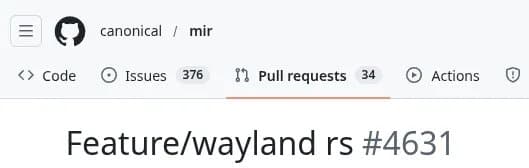
A key component of this Rust initiative is wayland-rs, which the Mir team is using to begin implementing a Wayland front-end entirely in Rust. This represents a significant architectural shift, as Wayland protocol handling moves from C to Rust, potentially reducing memory safety vulnerabilities that have plagued display server implementations.
Protocol Enhancements and New Features
Beyond the Rust developments, Mir 2.26 introduces working support for the ext_image_copy_capture_v1 protocol. This extension enables more efficient screen capture and image transfer operations, which is particularly beneficial for screen recording applications, remote desktop solutions, and system monitoring tools that need to capture compositor output.
The release also includes draft support for input-trigger protocols, expanding Mir's input handling capabilities. These protocols provide more granular control over input events and device management, which is crucial for complex multi-device setups and accessibility features.
Technical Implications
This Rust integration represents more than just a language choice—it's a fundamental rethinking of how display servers can be built more securely. The memory safety guarantees of Rust could significantly reduce the attack surface for display server vulnerabilities, which have historically been a concern in the Linux graphics stack.
The gradual approach to Rust adoption is noteworthy. By keeping the Rust-based input platform disabled by default, Canonical ensures that existing Mir deployments remain stable while the development team validates the new architecture. This measured rollout strategy balances innovation with operational reliability.
Availability and Community Response
The Mir 2.26 release announcement is available on Ubuntu Discourse, where the development team provides detailed technical information about the changes. The source code for Mir 2.26 can be downloaded from the official GitHub repository, allowing developers and enthusiasts to examine the Rust integration firsthand.
Community response has been mixed but generally positive, with many developers expressing interest in the Rust integration approach while others remain cautious about the performance implications of introducing a new language into the critical display server path. The five comments on the release announcement reflect this spectrum of opinions, from enthusiastic support to technical skepticism.
Looking Forward
As Mir continues its Rust integration journey, the success of this input platform experiment could influence other Wayland compositors considering similar approaches. The combination of Rust's safety features with Wayland's modern display protocol architecture represents an interesting evolution in Linux desktop graphics.
For users and developers working with Mir-based environments, this release signals a commitment to modernization and security improvements that could pay dividends in long-term stability and maintainability. The gradual, experimental nature of the Rust integration suggests Canonical is taking a pragmatic approach to language migration in critical system components.
Comments
Please log in or register to join the discussion