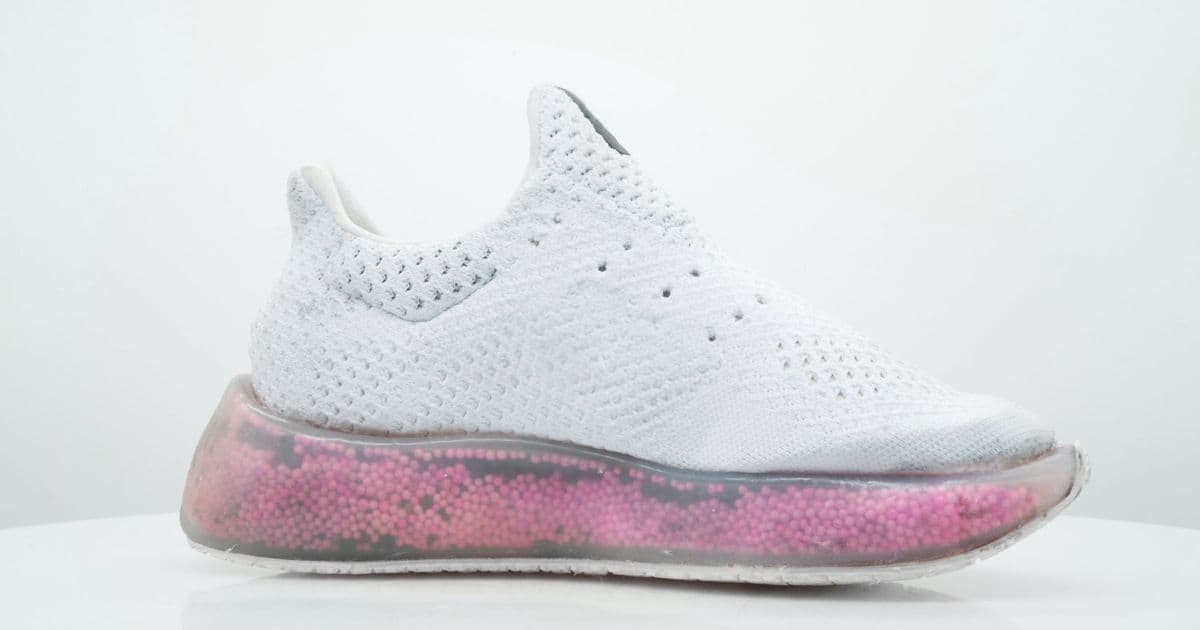
MIT researchers have developed a running shoe that uses granular convection to create personalized cushioning that improves with use, potentially making customized performance footwear accessible to all runners.
When you buy a new pair of running shoes, you're essentially getting the same midsole technology that millions of other runners use. But what if your shoes could adapt to your unique running style and actually improve over time? That's the promise of a new technology developed by MIT's Self-Assembly Lab in collaboration with Adidas, which uses the physics of granular convection to create running shoes that evolve with each step.
The Science Behind the Shoe
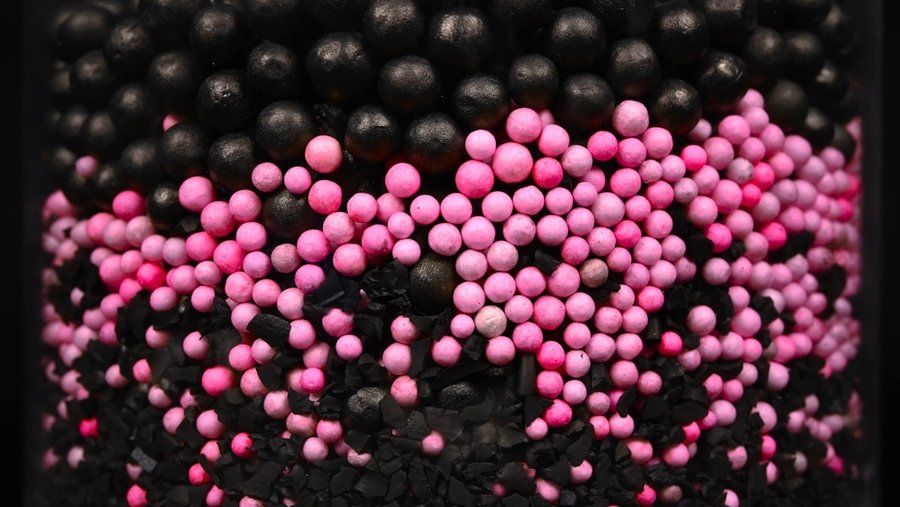
The technology harnesses a phenomenon called granular convection, also known as the "Brazil nut effect." When you shake a container of mixed nuts, the larger Brazil nuts mysteriously rise to the top while smaller nuts sink. This counterintuitive behavior occurs because larger particles create gaps beneath them that smaller particles can fall into, effectively pushing the big pieces upward.
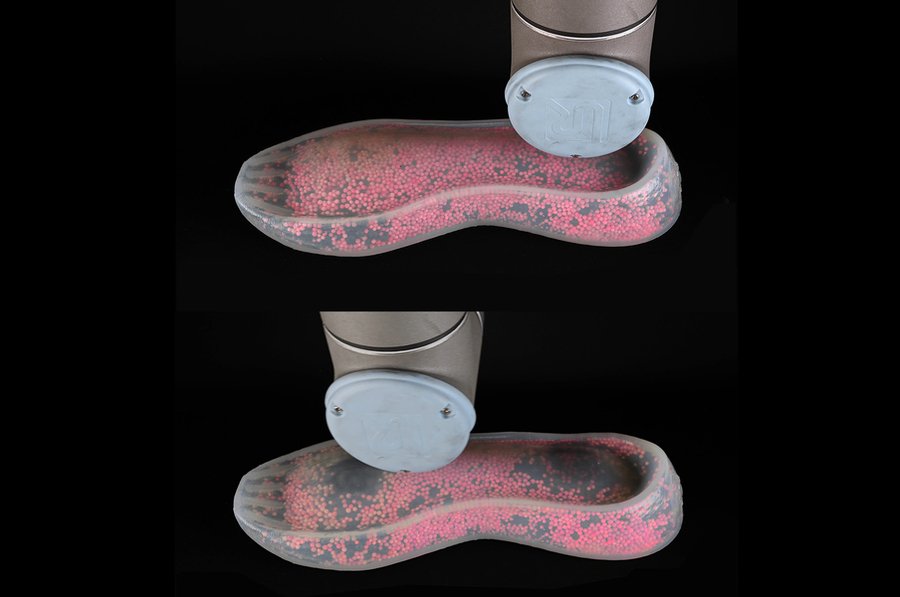
In the context of running shoes, MIT researchers have engineered a midsole filled with particles of varying sizes and stiffnesses. As you run, the vibrations and impacts cause these particles to reorganize themselves. Larger, softer particles naturally migrate to the top of the midsole, creating cushioning where your foot needs it most, while smaller, stiffer particles settle toward the bottom, providing the structural support required for propulsion.
From Lab to Marathon
The research team, led by Associate Professor Skylar Tibbits, conducted extensive testing to optimize this system. They designed three different particle sizes and calibrated the system to achieve optimal adaptation over approximately 20,000 steps—roughly the distance of a marathon.
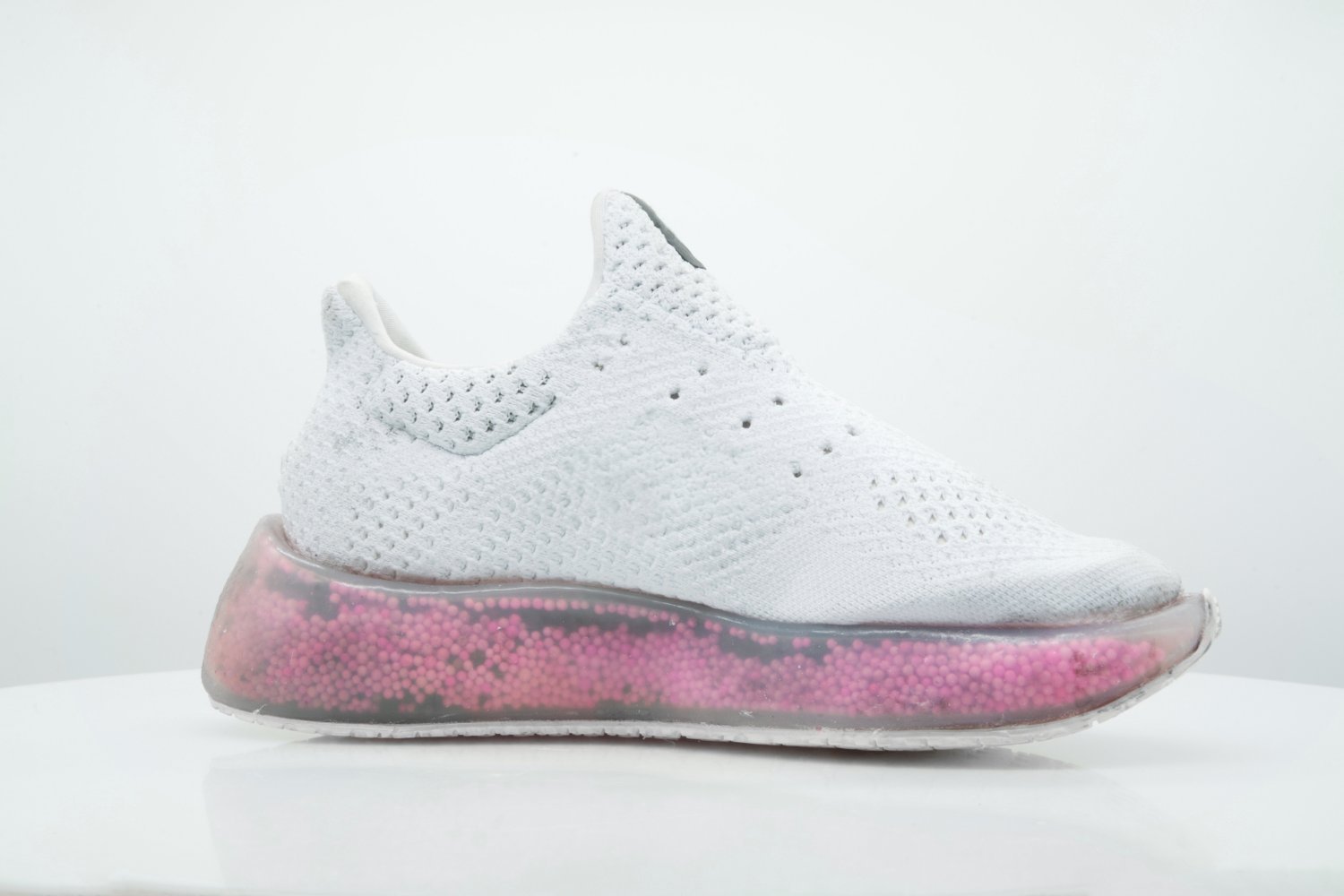
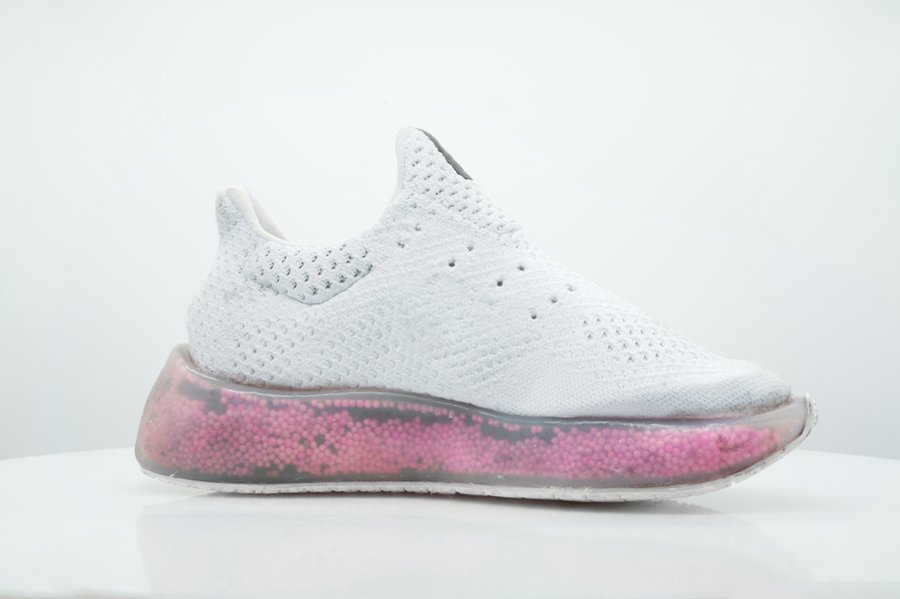
To validate their design, the researchers created a robotic "runner" that simulated a full marathon's worth of heel-to-toe strikes. The before-and-after photographs of the midsole show dramatic changes: black areas where soft particles rose to the surface, creating targeted cushioning, and pink particles that shifted to the middle layer.
Three Key Advantages
Tibbits identifies three major benefits of this adaptive technology:
Democratization of Customization: Currently, only elite athletes sponsored by major brands receive personalized footwear. This technology could bring customized performance to everyday runners without requiring expensive, individualized manufacturing.
Dynamic Adaptation: Unlike static midsoles that remain unchanged throughout their lifespan, these shoes evolve with the runner. As your running style changes or you tackle different terrains, the shoe's internal structure adapts to provide optimal support and cushioning.
Scalable Manufacturing: Perhaps most importantly from an industry perspective, this approach doesn't require changing how shoes are manufactured. Every shoe can be identical coming off the production line, with personalization occurring naturally through use.
Beyond Running Shoes
The implications extend far beyond athletic footwear. Tibbits envisions applications in custom packaging that adapts to protect specific products during shipping, wheelchair seat cushions that mold to individual users' pressure distributions, and even reusable protective materials that can be "reset" and repurposed.
For runners, the technology could mean shoes that automatically adjust their characteristics based on whether you're training on roads or trails. The team is exploring ways to "reset" the midsole, allowing runners to reconfigure their shoes for different activities without purchasing new pairs.
The Environmental Angle
In an era of increasing environmental consciousness, the ability to upgrade and modify existing shoes rather than discarding them represents a significant sustainability advantage. Instead of replacing worn-out shoes, runners might simply refresh the particle system inside their midsoles, extending the product's lifespan considerably.
The Road Ahead
While the technology shows tremendous promise, several challenges remain. The durability of the particle system over thousands of miles, the consistency of adaptation across different running styles and body weights, and the integration with existing shoe designs all require further research and development.
However, the fundamental physics is sound, and the initial results are compelling. As the running community approaches events like the Boston Marathon—where footwear plays a crucial role in performance—technologies like this adaptive midsole could represent the next frontier in running shoe design.
The marriage of granular physics and footwear design exemplifies how understanding fundamental scientific principles can lead to practical innovations that benefit everyday consumers. By working with nature's tendencies rather than against them, MIT's Self-Assembly Lab has created a system where the shoe doesn't just support the runner—it learns from them.
For more information about this research, visit the Adaptive Midsole project page or explore the work of the Self-Assembly Lab at MIT.
Comments
Please log in or register to join the discussion