MIT has implemented a multifaceted strategy to address antisemitism on campus, including enhanced security, educational initiatives, and disciplinary actions. Recent court rulings affirm the university's compliance with Title VI, while improved survey data shows heightened satisfaction among Jewish students.
MIT's Response to Antisemitism: A Multilayered Approach
MIT leadership has unequivocally rejected antisemitism and deployed a range of institutional actions since 2023 to safeguard its Jewish community. These measures span physical security, educational programming, and policy enforcement, reflecting a commitment to balancing free expression with community safety.
Security Enhancements and Institutional Collaboration
The university bolstered security around campus facilities, particularly the Office of Religious, Spiritual, and Ethical Life building housing MIT Hillel. A cross-functional team—comprising representatives from the Discrimination and Harassment Response Office, Student Conduct Office, and General Counsel—was established to triage bias-related incidents. This team prioritized prompt investigations and fair resolution of complaints tied to the Middle East conflict.
Educational Initiatives and Training
MIT expanded its educational efforts through partnerships like the Hillel Campus Climate Initiative and the American Jewish Committee's antisemitism training for senior leadership. Key programs included:
- ADL training for the Bias Response Team
- A symposium on antisemitism in higher education
- Faculty-led events featuring experts like Professor Pamela Nadell These initiatives aimed to foster dialogue and raise awareness across campus.
Policy Revisions and Disciplinary Actions
MIT updated its protest policies to ensure clarity while protecting free speech. The Committee on Discipline (COD) received enhanced authority, including streamlined sanctions for noncompliance and expanded disciplinary tools. Notable outcomes included:
- Suspensions and expulsions for policy violations during protests
- Permanent derecognition of a student organization
- A Title VI coordinator to address discrimination claims
Legal Validation and Community Feedback
Federal courts dismissed Title VI lawsuits against MIT, recognizing the university's escalating measures to prevent violence. The First Circuit Court of Appeals noted MIT's "escalating series of actions aimed at calming turmoil" during campus protests. Despite these legal affirmations, MIT maintained that many protest activities constituted protected expression.
Improved Community Sentiment
The 2026 Quality of Life survey revealed significant progress: Jewish undergraduate satisfaction rose from 87% in 2024 to 97%, with no dissenting responses to "I feel that I belong at MIT." Graduate students also showed marked improvement, with 94% reporting satisfaction compared to 78% in 2024.
Contextual Challenges and Ongoing Dialogue
While MIT's actions have yielded positive outcomes, debates persist about the intersection of anti-Zionism and antisemitism. The university continues to navigate this complex landscape through education and policy refinement.
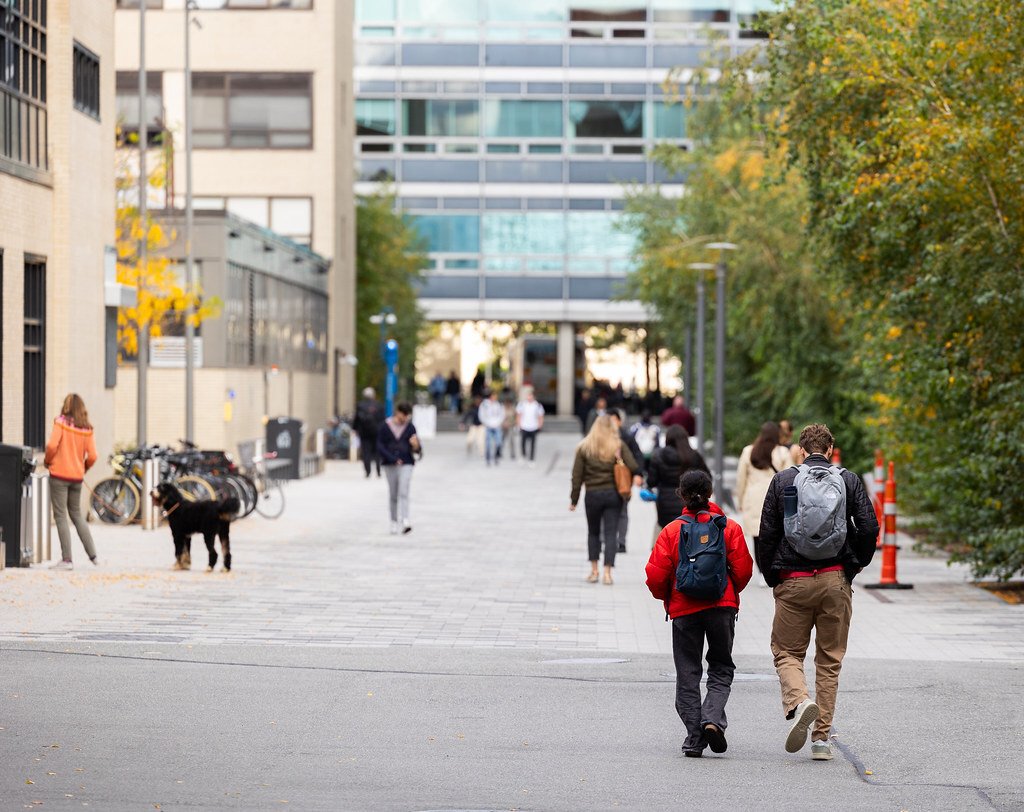 Featured image: MIT's campus security measures around Hillel and other key facilities.
Updates on campus and community (2023-2025) | 2026 MIT Quality of Life Survey
Comments
Please log in or register to join the discussion