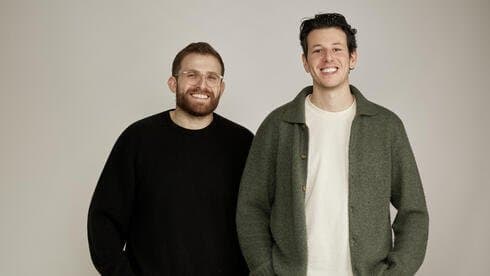
Rylo turned an FCC license into a revenue engine for AI call captioning, giving the Israeli startup a $500 million valuation and a shot at scaling assistive communications without call centers.
Israeli startup Rylo, formerly Nagish, raised $85 million at a valuation of about $500 million as it expands AI tools for deaf and hard-of-hearing users in the U.S. market.
General Catalyst and Canaan led the round. Cardumen, Vertex Precursor and K5 joined the financing. Rylo has now raised $101 million since Tomer Aharoni and Alon Ezer founded the company in 2022.
Rylo builds real-time speech-to-text and text-to-speech software for phone calls. A user can read captions during a call, type a response and let the app turn that text into spoken audio for the other person. The product also lets users speak, keep an existing phone number and use more than 50 languages.
The company has tied its growth to U.S. regulation. Rylo secured certification from the Federal Communications Commission in May 2024, which lets it receive payment through the Telecommunications Relay Services system instead of charging users. The FCC program supports phone access for people with hearing or speech disabilities.
That license changed Rylo’s economics. The company receives $1 to $8 per minute of eligible conversation, with regulators setting rates in three-year cycles. Aharoni said Rylo reached profitability after it began collecting revenue and expects $100 million in annual revenue by the end of 2026.
Rylo wants $1 billion in annual revenue by 2028. Aharoni said the company has penetrated about 1% of the U.S. market at its current run rate, according to the CTech report.
The U.S. market gives Rylo a large base. About 40 million Americans are deaf or hard of hearing, according to the company. The global population reaches about 1 billion, and the World Health Organization expects that figure to reach 2.5 billion by 2050.
Rylo’s pitch differs from older relay systems. Legacy providers use human-operated call centers to support many relay calls. Rylo uses software to caption calls and generate speech, which could lower labor needs as usage grows. That matters because minute-based reimbursement can reward scale if the company keeps support, infrastructure and compliance costs under control.
The startup still faces a narrow path. FCC certification gives Rylo access to regulated revenue, but regulators can adjust rates, audit providers and change program rules. Rylo also has to prove that AI captioning can meet reliability standards across accents, background noise, medical calls, customer service calls and other settings where errors can carry cost.
Rylo’s small headcount shows how management wants to handle that pressure. The company employs 32 people, with about half in Israel. Aharoni said Rylo uses AI inside the business and wants to stay small while revenue grows.
The new funding also supports sign-language translation. Rylo acquired Sign.mt at the end of 2025 to add computer vision and natural language processing tools that recognize and translate sign language. Dr. Amit Moryossef, an Israeli researcher in sign language and natural language processing, founded Sign.mt.
That product push could move Rylo beyond phone calls. Aharoni described use cases such as yoga classes, medical appointments and job interviews, where deaf and hard-of-hearing users may need live sign-language support on a phone screen.
Rylo estimates governments and corporations spend about $4 billion a year on sign-language interpretation, with human interpreters charging about $75 per hour and often requiring minimum booking commitments. The company also estimates providers meet about 5% of demand because the market lacks enough qualified interpreters.
AI sign-language translation presents a harder technical challenge than call captioning. Sign languages use hand shape, motion, facial expression, body position and context. A useful system has to track those signals in real time and account for regional variation. Rylo will need strong accuracy before schools, employers, clinics and public agencies trust the system for daily use.
The rebrand from Nagish to Rylo gives the company a cleaner U.S. consumer identity as it scales. Aharoni said he and Ezer chose the original name in minutes for a side project that began in 2019. As U.S. usage grew, the company found that many users could not pronounce Nagish.
Rylo’s raise shows how AI startups can build large businesses inside regulated markets if they solve a costly service problem and secure reimbursement. The company now has capital, FCC access and a defined customer base. Its next test will come from execution: call quality, compliance, sign-language accuracy and growth beyond its first slice of the U.S. market.
Comments
Please log in or register to join the discussion